In a shocking twist that has sent shockwaves through Silicon Valley, a former high-ranking Tesla executive is bringing to life the one revolutionary product that Elon Musk promised the world but ultimately abandoned. Drew Baglino, who spent nearly two decades as Tesla’s Senior Vice President of Powertrain and Energy Engineering, has officially stepped out of the shadow of the Gigafactory to launch his own stealth startup. The mission? To build the ultimate residential Tesla heat pump alternative that could disrupt the entire home energy market.
For years, tech enthusiasts and green energy advocates waited for Tesla to release its long-rumored home HVAC system. Musk teased it, hyped it, and then quietly shelved it. Now, Baglino’s new venture, Sadi Thermal Machines, is poised to deliver exactly what Tesla fans have been begging for, proving that the real innovation might no longer be happening inside Tesla’s walls.
The Secret Project Tesla Left Behind
Drew Baglino was not just another employee; he was one of the foundational architects of Tesla’s massive success. For eighteen years, Baglino worked side-by-side with Musk, designing the batteries, motors, and power electronics that define modern electric vehicles. When he departed the company, many wondered what his next move would be. The answer is a direct challenge to Tesla’s unfinished master plan.
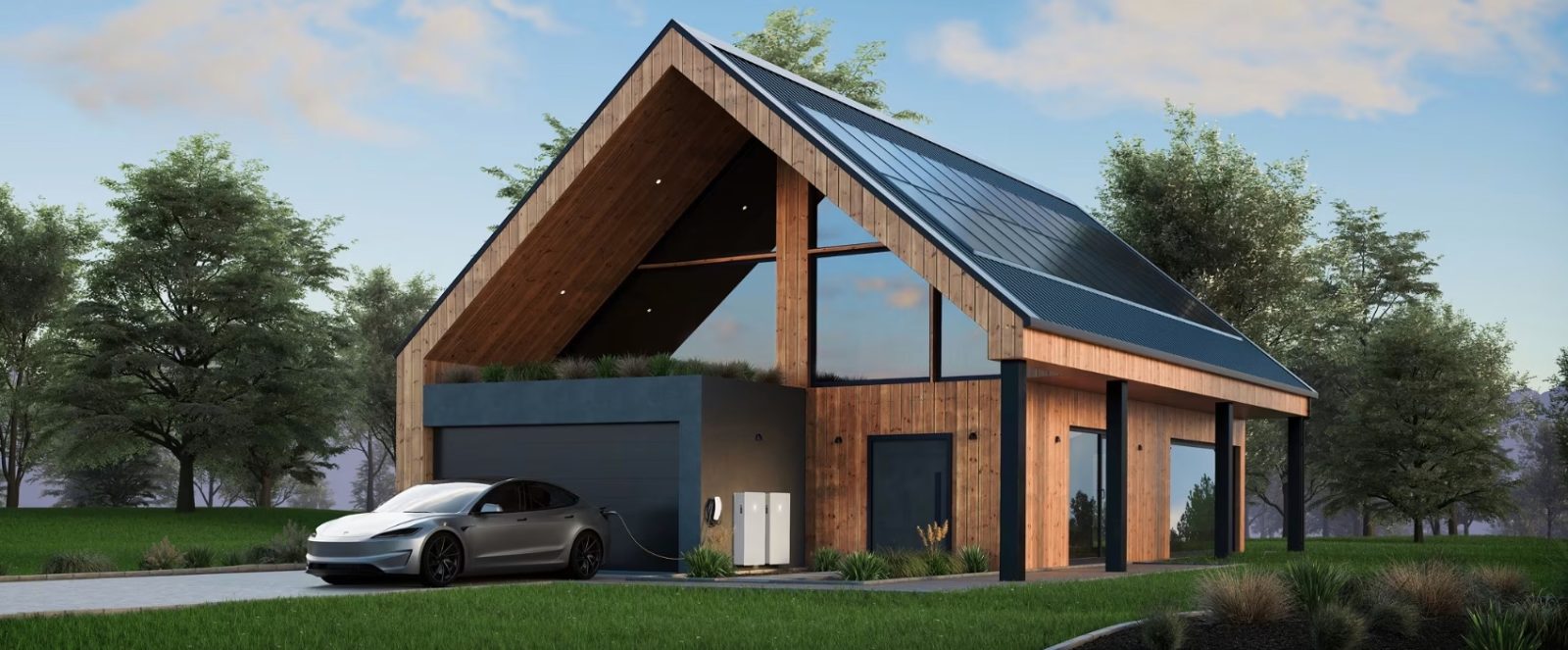
Sadi Thermal Machines is focusing entirely on residential heat pumps. This is a direct bet on an idea that Tesla openly floated back in 2022. During various investor presentations, Tesla outlined a vision of a fully integrated home energy ecosystem where solar panels, Powerwalls, and an ultra-efficient home heat pump would work in perfect harmony. But as the tech giant pivoted its attention elsewhere, this brilliant concept was left to gather dust in the corporate archives.
By taking this technology into his own hands, Baglino is capitalizing on a massive gap in the market. Homeowners looking to decarbonize their lives have been desperately searching for smarter, more efficient heating and cooling solutions, and Sadi Thermal Machines aims to be the premium answer to that demand.
Why Elon Musk Swapped Green Energy for Robots
To understand why this is such a massive betrayal—or perhaps a genius business move—one must look at Tesla’s dramatic shift in corporate strategy. Under Elon Musk’s volatile leadership, Tesla has drastically reoriented itself away from being a pure play clean energy company. Instead, resources have been aggressively funneled into high-stakes, futuristic gambles like humanoid robots (Optimus) and autonomous Robotaxis.
While autonomous driving and artificial intelligence capture Wall Street’s imagination, practical clean energy solutions have taken a back seat. According to industry reports on Electrek, Tesla’s solar and storage divisions have faced massive bottlenecks and shifting priorities. The residential heat pump, which could have saved consumers thousands of dollars on utility bills, was deemed too low-margin or perhaps not ‘futuristic’ enough for Musk’s grand stage. This strategic pivot left a multi-billion-dollar vacuum that Baglino is now ready to fill.
How Sadi Thermal is Disrupting the Home Energy Market
The residential heat pump market is ripe for disruption. Traditional heat pumps can be noisy, inefficient in extreme cold weather, and notoriously difficult to integrate with existing smart home setups. Having designed the thermal management systems for Tesla’s incredibly efficient electric vehicles, Baglino possesses unique, world-class expertise in moving heat efficiently under extreme conditions.
Sadi Thermal Machines is expected to leverage these EV-grade thermal technologies to create a residential system that is quieter, smarter, and significantly more efficient than anything currently on the market. If Baglino succeeds, he won’t just be launching a startup; he will be embarrassing his former employer by proving that the real green revolution is happening in the home, not just on the road. The battle for the future of clean energy is heating up, and Tesla might have just let its most dangerous competitor walk right out the front door.