The automotive world was shocked recently when new federal data emerged regarding Tesla’s highly publicized autonomous fleet. According to the National Highway Traffic Safety Administration (NHTSA), Tesla’s revolutionary Robotaxi did not report a single at-fault crash in its latest reporting cycle. On paper, it looks like an absolute miracle of modern engineering. A driverless future where accidents are completely eliminated seemed to have arrived overnight. But is this spectacular safety record actually a massive cover-up for a failing project?
Tesla’s Zero-Crash Miracle: Fact or Fiction?
When you look at the raw numbers, Tesla’s latest safety report seems flawless. The only incident recorded in the latest NHTSA autonomous-vehicle data was a Model Y that was rear-ended while completely stopped. Obviously, that incident was entirely the fault of the other human driver, clearing Tesla of any wrongdoing. Fans and investors immediately took to social media to celebrate this as a massive victory for Elon Musk’s Autopilot and Full Self-Driving (FSD) technologies. For a brief moment, it looked like the critics had been silenced once and for all.
However, seasoned industry analysts and investigative journalists weren’t so quick to celebrate. While zero at-fault crashes is an impressive statistic on its face, it begs a crucial question: how many miles are these vehicles actually driving? Safe streets are easy to achieve when your high-tech cars are sitting idle in a parking lot rather than navigating the chaotic streets of major metropolitan areas.
The Ghost Fleet: Where Did All the Robotaxis Go?
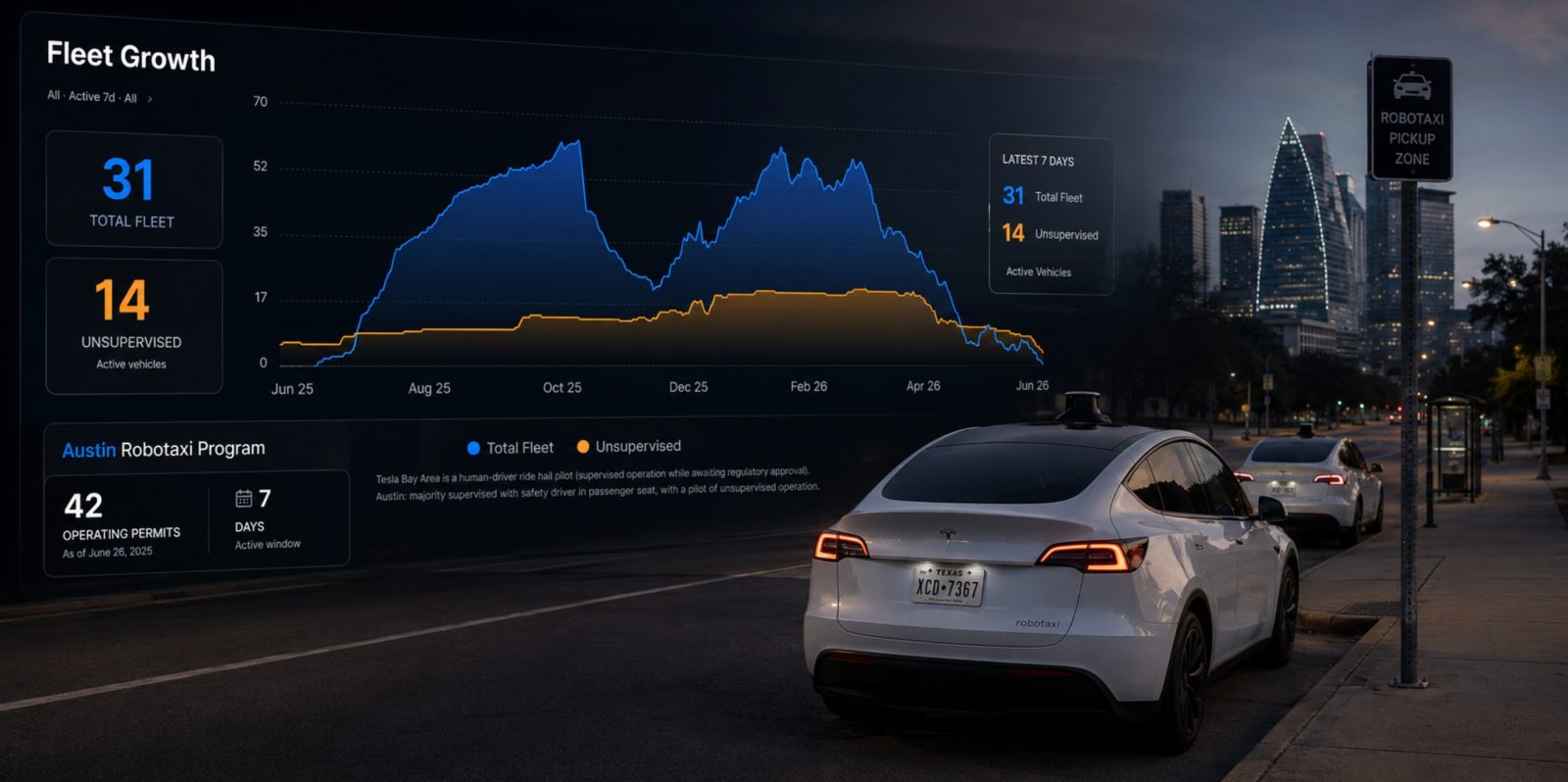
The shocking answer lies within live fleet data tracking systems. The primary reason Tesla’s robotaxis aren’t crashing is terrifyingly simple: they are barely running. A year into the ambitious autonomous program, data shows that the active Tesla Robotaxi fleet is actually shrinking, not growing. Instead of dominating the ride-hailing industry and replacing Uber or Lyft, these vehicles are conspicuously absent from the roads.
This revelation has sent shockwaves through the tech and automotive sectors. Critics are calling it a ‘ghost fleet’ phenomenon. If the cars aren’t operating in real-world scenarios, of course they aren’t going to get into accidents. This statistical manipulation paints a picture of safety that doesn’t reflect actual operational success. We must ask ourselves why a program that was supposed to revolutionize global transit is suddenly pulling back its vehicles.
Elon Musk’s Broken Promises and the Future of Autonomy
For years, Elon Musk has promised that a million autonomous robotaxis would soon be on the road, generating passive income for their owners while they sleep. This latest data suggests that dream is further away than ever. Instead of expanding, the fleet is shrinking, leaving early adopters and investors holding the bag. The sudden decline in active vehicles could point to several underlying issues:
- Severe software bugs that require vehicles to be pulled from active duty.
- Hardware limitations that prevent safe operation in diverse weather conditions.
- Regulatory hurdles and pushback from cities concerned about safety.
- Prohibitive maintenance costs for keeping the sensor suites operational.
This trend is a devastating blow to Tesla’s valuation, which relies heavily on the promise of future autonomy. If the robotaxi fleet continues to dwindle, the company may have to face a harsh reality: human drivers aren’t going anywhere anytime soon. As competitors continue to expand their operations, Tesla’s shrinking fleet looks less like a safety success and more like a quiet retreat from the autonomous vehicle war.