Xiaomi’s Boldest Move Yet: Poaching the Architect of Tesla’s China Success
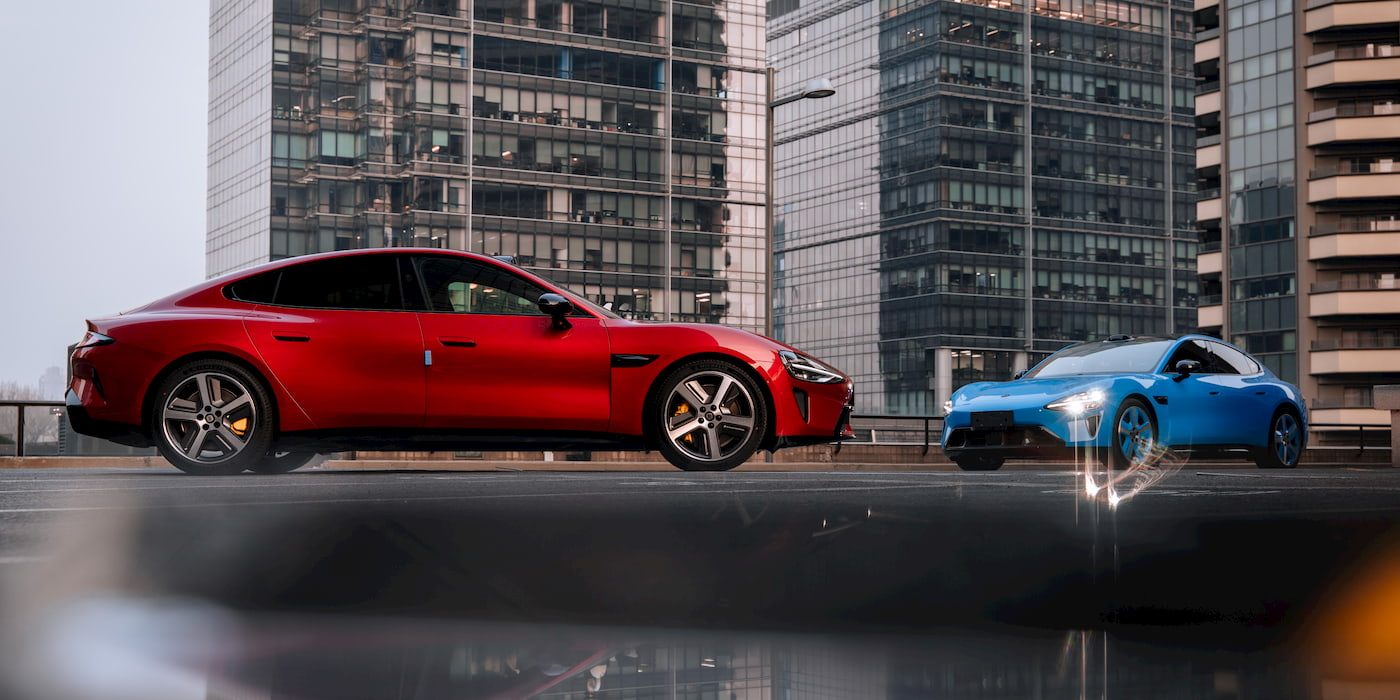
In a move that has sent shockwaves through the global automotive industry, Xiaomi has officially declared war on the established EV giants by recruiting one of Tesla’s most strategic minds. The tech titan, which recently entered the electric vehicle sector with the highly acclaimed SU7, has secured the services of Kong Yanshuang. Kong, the former General Manager for Tesla in the China region, is not just another executive hire; he is the man who helped navigate the treacherous waters of the world’s largest EV market for Elon Musk. This acquisition of talent signals that Xiaomi is no longer playing the role of the underdog. They are here to dominate, and they are using Tesla’s own tactics to do it.
The automotive world is shaking. Xiaomi, once just a smartphone king, is now a predator in the EV jungle. By poaching Kong Yanshuang, they aren’t just hiring an executive; they are stealing the literal playbook that made the Model 3 and Model Y household names in Asia. The professionalization of Xiaomi’s EV retail strategy is now in high gear, and the implications for competitors like BYD and NIO are staggering. As the company gears up for a massive expansion, the industry is left wondering: can anyone stop the Xiaomi momentum?
The 2026 Delivery Goal: A Massive 550,000 Milestone
Xiaomi’s ambitions are nothing short of breathtaking. While many traditional automakers are scaling back their EV expectations due to slowing demand, Xiaomi is doubling down. The company has set a staggering target of 550,000 vehicle deliveries by the year 2026. To reach such a number, the company requires more than just high-quality manufacturing; it needs a ruthless, efficient, and battle-tested retail strategy. This is where Kong Yanshuang comes in. Replacing Li Xiaorui, the former director of Xiaomi’s automotive division, Kong brings a wealth of experience in scaling operations under extreme pressure. His transition into the role, currently in the handover phase according to reports from Jiemian News, marks a turning point that should make every automotive CEO nervous.
The scale of this ambition cannot be overstated. Producing half a million cars in such a short timeframe requires a retail infrastructure that rivals century-old brands. Xiaomi, however, has a secret weapon: their existing ecosystem. With thousands of Mi Home stores already established globally, the transition from selling smartphones to selling high-performance electric sedans is shorter than most realize. By integrating Kong’s Tesla-refined sales strategies into Xiaomi’s massive retail footprint, the company is positioning itself to bypass the ‘valley of death’ that kills most automotive startups. This isn’t just about selling cars; it’s about total market saturation.
The Talent War: Why Tesla Executives are Flocking to Tech Giants
Why would a top-tier executive leave the established king of EVs for a tech company that just started building cars? The answer lies in the ‘Smartphone on Wheels’ philosophy. Xiaomi isn’t just building a car; they are building a mobile living space integrated with AI, smart homes, and personal gadgets. For leaders like Kong, the opportunity to build a brand from the ground up with the financial backing of a company like Xiaomi is an irresistible challenge. Tesla has long been the gold standard for EV innovation, but the internal culture is often described as volatile. In contrast, Xiaomi offers a massive R&D budget and a clear, aggressive roadmap for the next decade.
Industry analysts suggest that this hire is a direct response to the tightening competition in the Chinese market. With BYD producing cars at record speeds and Tesla engaging in aggressive price wars, Xiaomi needs someone who knows the enemy’s playbook inside and out. Kong’s deep understanding of Tesla’s pricing strategies, customer service models, and delivery logistics gives Xiaomi an unfair advantage. If they can replicate Tesla’s efficiency while maintaining Xiaomi’s reputation for ‘honest pricing,’ the 550,000 target might actually be conservative. You can follow more updates on this developing story at Electrek, where the latest shifts in the green energy sector are tracked daily.
As the automotive landscape shifts, the line between technology companies and car manufacturers is blurring into non-existence. Xiaomi’s move to bring in Kong Yanshuang is a definitive statement: the future of driving isn’t just about engines or batteries; it’s about the software, the sales experience, and the brand loyalty that only a tech giant can command. With 2026 fast approaching, all eyes are on Xiaomi to see if they can turn this high-profile hire into a historic success story that changes the face of transportation forever. This is no longer a test; it is a full-scale invasion of the automotive sector.