
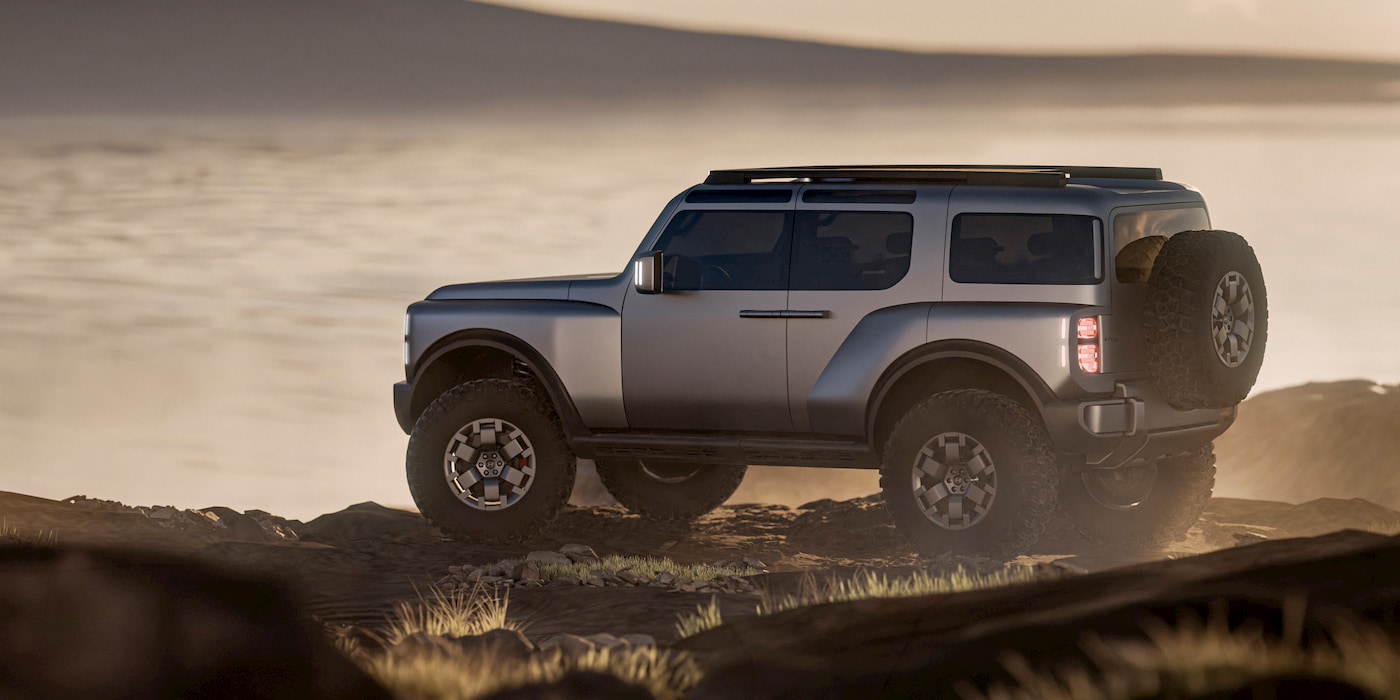
In a move that has sent shockwaves through the automotive world, Hyundai has finally pulled the curtain back on a project that many thought was just a rumor. The Hyundai Boulder SUV Concept isn’t just another crossover; it is a declaration of war against the established titans of the off-road segment. For years, enthusiasts have begged for a Korean alternative to the legendary Ford Bronco and the Jeep Wrangler. With the unveiling of the Boulder, it appears those prayers have finally been answered. This rugged beast is designed to handle the toughest terrain while offering the reliability and modern tech that Hyundai has become famous for in recent years.
The Hyundai Boulder SUV Concept: Redefining Rugged
Historically, Hyundai has dominated the city streets with efficient sedans and family-friendly SUVs. However, the Boulder SUV Concept represents a radical departure from the status quo. This is Hyundai’s first true body-on-frame vehicle destined for the United States market, signaling a shift toward heavy-duty capability and genuine trail-conquering prowess. By utilizing a ladder-frame chassis, Hyundai is promising a level of durability and towing capacity that its unibody counterparts simply cannot match. This move targets a growing segment of buyers who prioritize utility and outdoor adventure over simple grocery-getting utility.
The aesthetic of the Boulder is unmistakably aggressive. It features high ground clearance, massive all-terrain tires, and a boxy silhouette that screams adventure. This isn’t just about looking the part, though. Every angle of the Boulder has been optimized for approach and departure angles, ensuring that when the pavement ends, the fun is only just beginning. It’s a bold move for a brand that has recently focused so heavily on sleek, aerodynamic electric vehicles. The Boulder SUV Concept looks like it could survive an apocalypse, and that is exactly what many enthusiasts are looking for in today’s crowded market.
Engineering the Ultimate Off-Road Experience
Underneath the muscular exterior lies a suite of technologies designed to tackle the harshest environments on Earth. While technical specifications remain closely guarded, industry insiders suggest that the Boulder will feature advanced four-wheel-drive systems, locking differentials, and perhaps even a hybrid powertrain that prioritizes low-end torque for rock crawling. The inclusion of a body-on-frame architecture is the clearest indicator yet that Hyundai is serious about competing with the Ford Bronco and the Toyota 4Runner.
The interior is expected to be just as revolutionary as the exterior. Early reports suggest a cabin that blends wash-out materials with high-tech displays, ensuring that drivers can navigate the wilderness without sacrificing modern comforts or worrying about a little mud on the floorboards. The ‘Boulder’ name itself evokes a sense of permanence and strength, perfectly capturing the essence of a vehicle built to withstand the elements. This concept isn’t just a design exercise; it’s a roadmap for the future of Hyundai’s truck and SUV division, potentially leading to a new lineup of rugged vehicles.
Why the Boulder Matters for the US Market
The timing of this reveal couldn’t be more perfect. As American consumers continue to flock toward vehicles that offer both utility and personality, the Boulder SUV Concept stands out as a unique alternative. It bridges the gap between the utilitarian nature of a pickup truck and the versatility of a traditional SUV. By entering this high-margin enthusiast segment, Hyundai is poised to capture a demographic that has long been loyal to domestic brands. They are tapping into the ‘overlanding’ trend that has seen a massive surge in popularity across North America.
Moreover, the Boulder serves as a halo vehicle for the brand. It demonstrates that Hyundai’s engineering team is capable of more than just efficiency; they can build machines with soul and grit. If the production version stays true to this concept, we could be looking at one of the most significant vehicle launches of the decade. The competition should be very worried, as Hyundai has a habit of disrupting every market they enter with superior value and surprising quality. In conclusion, the Hyundai Boulder SUV Concept is more than just a truck; it is a statement of intent. It proves that the Korean automaker is no longer content with staying in its lane. They are ready to climb mountains, cross rivers, and take on the best in the business.