
Electric Vehicles and Student Commutes: A Growing Dilemma in Southern California
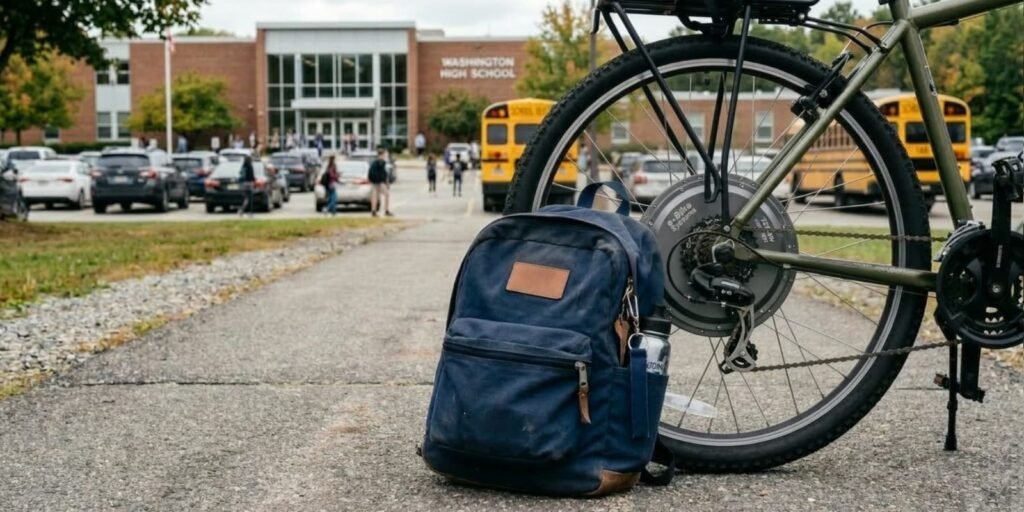
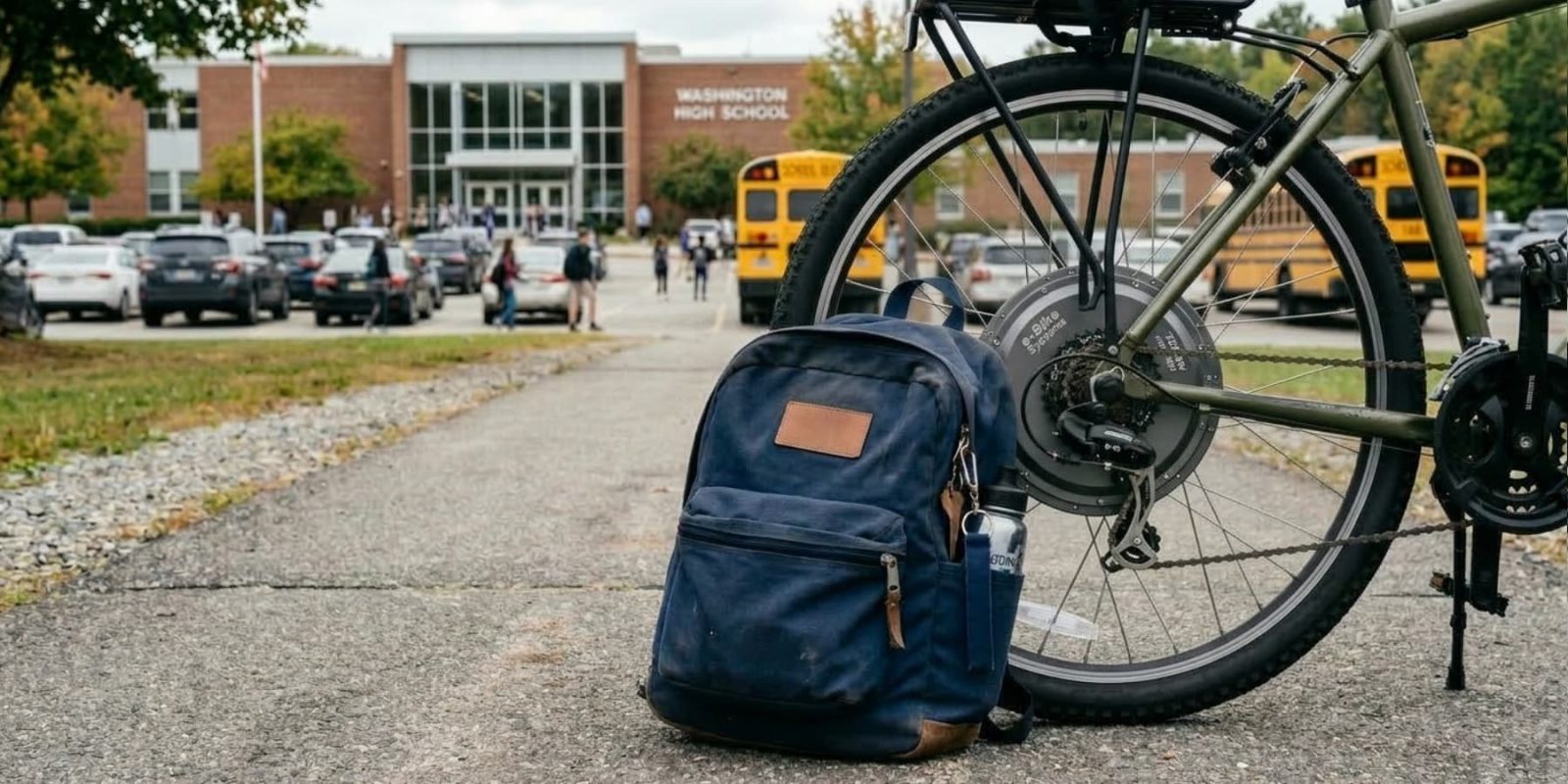
The landscape of student transportation is undergoing a significant shift, with Electric Vehicles (EVs) and electric-powered personal mobility devices, such as e-bikes, becoming increasingly popular. However, this evolution in personal transport is also sparking considerable debate and prompting regulatory action in communities across the nation. In Southern California, the Newport-Mesa Unified School District (NMUSD) is at the forefront of this discussion, considering a controversial new policy that could severely restrict students’ ability to ride electric bicycles to school. This proposal highlights a broader tension between embracing innovative and eco-friendly transportation options and addressing legitimate safety concerns within school environments.
The district, which encompasses a diverse range of communities including Newport Beach and Costa Mesa, is currently evaluating a measure that, if passed, would effectively ban the majority of students from utilizing e-bikes for their daily commute. This move by NMUSD is indicative of a growing trend where local authorities are grappling with the integration of electric vehicles, particularly lighter electric options like e-bikes and electric scooters, into urban and suburban settings, especially near educational institutions. The allure of e-bikes – offering a more sustainable and often quicker alternative to traditional bicycles or car rides – is undeniable, especially for younger generations increasingly aware of environmental issues and the benefits of reduced carbon footprints associated with Electric Vehicles.
Safety Concerns and Regulatory Responses to Electric Vehicle Adoption
At the heart of the Newport-Mesa Unified School District’s deliberation lies a complex web of safety concerns. School officials and many parents are expressing apprehension regarding the speed and maneuverability of electric bicycles, particularly in congested areas surrounding schools and on busy public roads. The rapid acceleration capabilities of some e-bikes, coupled with varying levels of rider experience and adherence to traffic laws among students, are cited as primary reasons for potential accidents. This mirrors a national conversation surrounding the regulation of Electric Vehicles and associated EV Tech, where the introduction of new technologies necessitates the development of new safety protocols and guidelines.
The proposed ban reflects a cautious approach, prioritizing student safety above all else. Arguments presented by proponents of the ban often highlight the perceived inability of younger riders to manage the power and speed of e-bikes effectively, especially when navigating pedestrian traffic or interacting with larger vehicles. Furthermore, issues related to proper helmet usage, understanding traffic signals, and general road awareness are magnified when dealing with powered devices. This situation underscores the challenges in adapting existing traffic infrastructure and regulations to accommodate the burgeoning market for personal Electric Vehicles. The district’s decision will likely set a precedent for how other school districts nationwide approach the integration of e-bikes and other lightweight EV Tech into their community’s transportation fabric. The debate is not just about bicycles, but about how communities adapt to a future increasingly defined by Electric Vehicles.
The Future of Student Mobility and EV Tech Integration
The potential ban in Newport-Mesa raises critical questions about the future of student mobility and the role of Electric Vehicles in everyday life. While safety is paramount, outright prohibition might stifle the adoption of sustainable transportation alternatives. Many advocate for alternative solutions such as enhanced rider education programs, designated e-bike lanes, stricter enforcement of existing traffic laws, and perhaps age or speed-restricted e-bikes for student use. These approaches could potentially mitigate risks without completely eliminating the benefits that electric mobility offers. The growth of EV Tech is undeniable, and finding balanced solutions that promote safety while embracing innovation is crucial.
The broader implications of this local decision extend to the national discourse on Electric Vehicles. As e-bikes and other personal EVs continue to gain popularity, communities will need to develop comprehensive strategies that address infrastructure, regulation, and education. The Newport-Mesa Unified School District’s consideration is a microcosm of a larger societal challenge: how to harness the advantages of emerging EV Tech responsibly. The outcome of this vote could influence policy decisions in other districts, signaling a willingness to either embrace or restrict new forms of personal Electric Vehicles. Ultimately, the goal is to create a transportation ecosystem that is safe, sustainable, and accessible for all, particularly for the next generation who will inherit a world increasingly shaped by Electric Vehicles and advanced EV Tech.