
The Rise of Low-Speed Electric Vehicles on American Streets
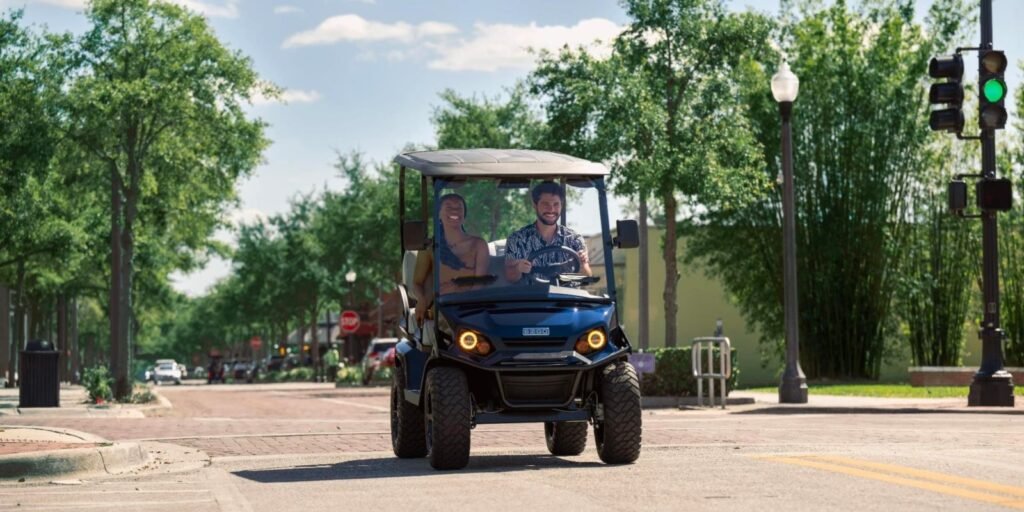
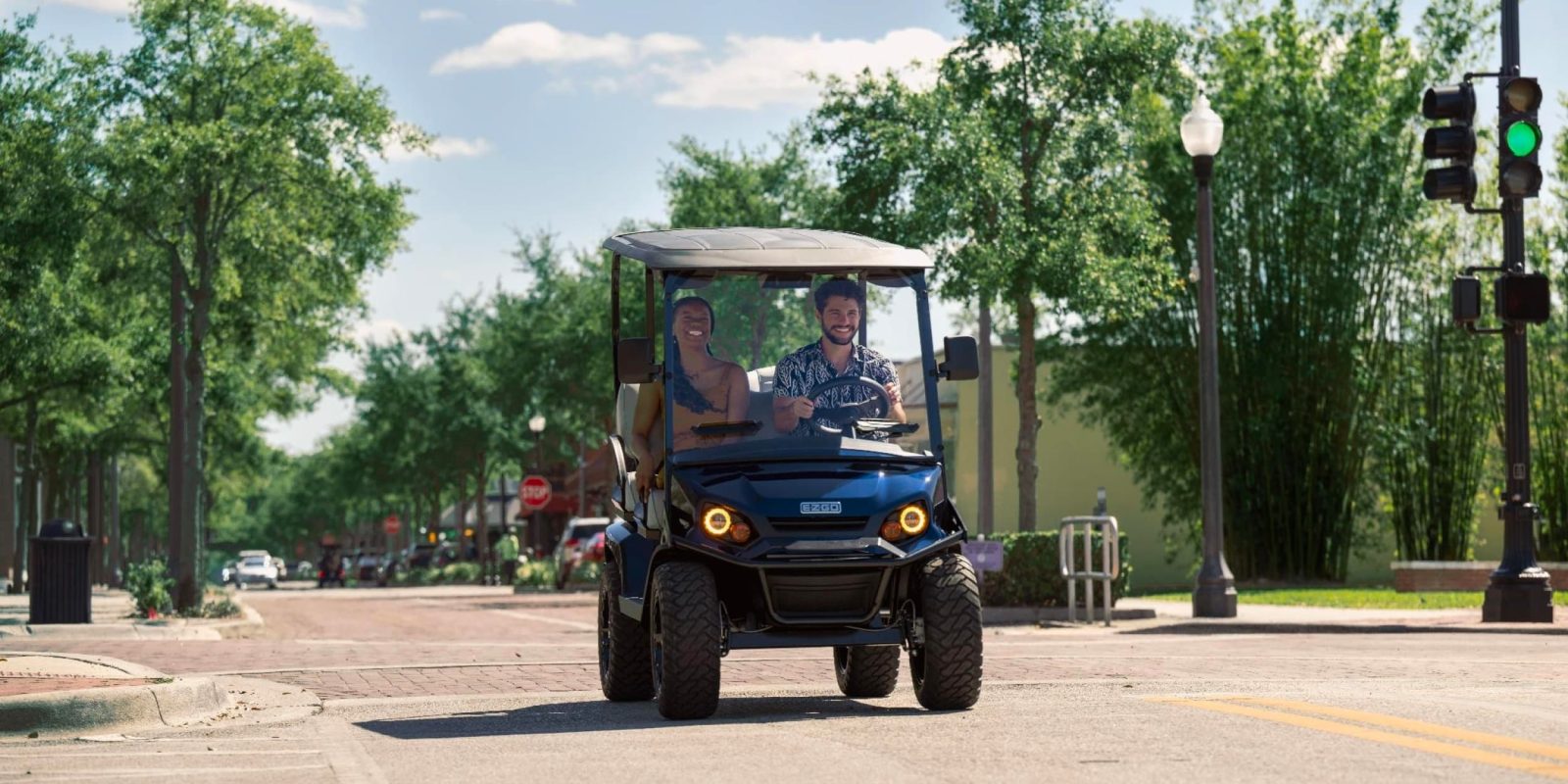
A notable trend is emerging across the United States, signaling a significant reevaluation of low-speed vehicle regulations by local governments. Cities and states are increasingly amending their statutes to facilitate the legal operation of golf carts and similar small, slow-moving vehicles on public roadways. This shift is largely being driven by simplified permitting processes and the enactment of specific local ordinances designed to accommodate these electric vehicles.
This evolving landscape reflects a growing recognition of the potential benefits these vehicles offer, particularly in certain community settings. For many residents, especially in areas with lower speed limits and shorter travel distances, these electric alternatives present a more sustainable and convenient mode of transportation. The appeal extends beyond simple novelty; it touches upon issues of accessibility, environmental consciousness, and the desire for more community-oriented mobility solutions. As the adoption of Electric Vehicles (EVs) continues to grow, this specific segment of smaller, electric-powered transport is carving out its own niche.
Navigating the Regulatory Landscape for Electric Neighborhood Vehicles
The integration of golf carts onto public streets, often categorized as Neighborhood Electric Vehicles (NEVs) when equipped with specific safety features, is not a uniform process. Each municipality and state crafts its own set of rules, creating a patchwork of regulations that can be both enabling and confusing. Historically, golf carts were primarily confined to private property, golf courses, and gated communities. However, as the technology behind Electric Vehicles has advanced and their environmental benefits become more apparent, policymakers are beginning to see their utility in broader applications.
Many jurisdictions are now establishing designated speed limits for these vehicles, typically ranging from 20 to 25 miles per hour. Furthermore, requirements for safety equipment are common, often including features like headlights, taillights, turn signals, seat belts, and rearview mirrors to ensure they can operate safely alongside traditional automobiles. The permitting process itself varies widely. Some cities offer straightforward registration for vehicles that meet certain standards, while others may require more extensive inspections or approvals. This allows for greater flexibility in managing traffic and ensuring the safety of all road users. The development of dedicated lanes or specific routes for these low-speed electric vehicles is also being explored in some areas to further enhance safety and efficiency.
The implications for EV Tech are significant. Manufacturers are increasingly designing and marketing models specifically for this low-speed segment, focusing on affordability, maneuverability, and ease of use. These vehicles represent a growing market for electric mobility, distinct from but complementary to the broader EV market of passenger cars and trucks. The demand for accessible and eco-friendly transportation solutions is a key driver, and these smaller electric options are poised to meet that demand in a growing number of communities. As more cities embrace these vehicles, the related EV tech, from battery management to charging infrastructure, will need to adapt and scale to support this emerging segment of personal transportation.
The Future of Electric Mobility: Beyond the Traditional EV
The trend of allowing golf carts and other low-speed electric vehicles on public streets is more than just a regulatory adjustment; it’s a signal of a broader shift in how we envision urban and suburban mobility. As cities grapple with traffic congestion, air quality concerns, and the desire for more walkable and connected communities, these smaller electric vehicles offer a compelling solution for short-distance travel. They can bridge the gap between walking and driving a full-sized car, providing a convenient and eco-friendly option for errands, commuting within a neighborhood, or accessing local amenities.
This expansion of low-speed electric vehicle use also has implications for infrastructure development. While not requiring the same robust infrastructure as high-speed EVs, there is a growing need for accessible charging points within communities and clear signage indicating where these vehicles are permitted. The integration of these vehicles into the existing transportation network requires careful planning to ensure safety and efficiency. Discussions are ongoing in many communities about how to best manage these vehicles, including potential requirements for specialized driver training or licensing for operation on public roads.
The continued evolution of EV Tech is crucial for the success of this trend. Improvements in battery technology, making these vehicles more affordable and offering longer ranges, will further boost their appeal. Innovations in safety features and connectivity will also play a role in their widespread adoption. As the concept of personal mobility diversifies, the humble golf cart, often reimagined as a sophisticated NEV, is emerging as a key player in the expanding world of Electric Vehicles, demonstrating that the future of transportation is not monolithic but multifaceted, catering to a wide range of needs and environments.