The Ultimate Betrayal: Uber’s $10 Billion War on Waymo
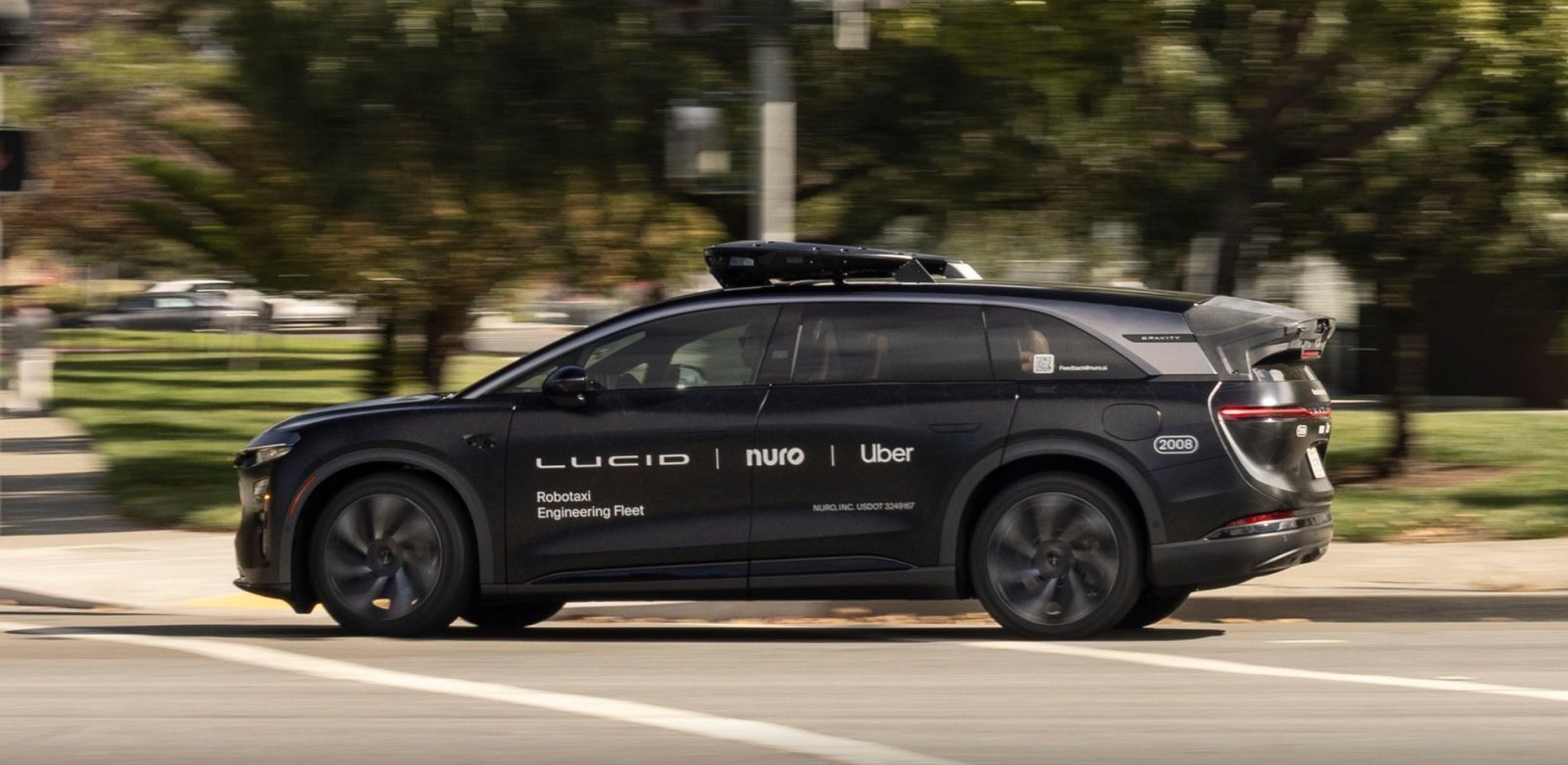
In a shocking twist that has sent shockwaves through Silicon Valley and the global automotive industry, ride-hailing giant Uber is turning its back on its primary autonomous driving partner, Waymo. In a high-stakes, multi-billion-dollar betrayal, Uber is reportedly investing a staggering $10 billion to build its own massive, independent autonomous vehicle (AV) fleet. To pull off this massive coup, Uber has aligned itself with electric vehicle heavyweights Lucid Motors, Rivian, and autonomous delivery pioneer Nuro. This massive strategic pivot marks the beginning of an all-out robotaxi war that could rewrite the rules of modern transportation.
For months, the alliance between Uber and Google’s sister company, Waymo, seemed like a match made in tech heaven. Waymo provided the cutting-edge autonomous driving software, while Uber offered the world’s most dominant ride-hailing network. However, behind closed doors, a bitter rivalry was brewing. Uber’s executive team has spent the last few quarters launching public, direct verbal assaults against Waymo’s technology, deployment speed, and overall market strategy. What makes this drama even more astonishing is that Waymo vehicles are still actively operating on Uber’s app in key metropolitan areas like Austin and Atlanta. This double-dealing strategy showcases Uber’s ruthless ambition to dominate the autonomous future at any cost.
The Secret Partners: Lucid, Rivian, and Nuro Join the Fray
Uber is not just talking trash; they are backing up their aggressive rhetoric with cold, hard cash. By committing over $10 billion to alternative autonomous tech, Uber is crafting a powerhouse coalition designed to choke out Waymo’s market share. This dream team consists of specialized manufacturers designed to dominate every facet of autonomous mobility:
- Lucid Motors: Providing ultra-premium, high-efficiency electric luxury sedans to elevate the rider experience beyond Waymo’s current utility-focused fleet.
- Rivian: Bringing rugged, all-weather electric SUVs and trucks to expand autonomous capability into suburban territories and harsh weather conditions.
- Nuro: Deploying custom driverless pods to completely automate Uber Eats delivery routes, eliminating human courier overhead entirely.
Lucid Motors, renowned for its industry-leading electric drivetrain efficiency and ultra-premium luxury sedans, is set to provide the high-end tier of Uber’s future autonomous fleet. Imagine summoning an Uber and having a sleek, self-driving Lucid Air pull up to the curb—it is a premium experience that Waymo’s current fleet of Jaguar I-Pace SUVs simply cannot match. Meanwhile, Rivian’s robust platform will allow Uber to expand its robotaxi services into suburban and rural areas where traditional self-driving cars struggle.
Why Uber is Publicly Trashing Its Own Partner
The sheer audacity of Uber’s public relations strategy has left industry analysts stunned. Usually, corporate partnerships of this scale demand diplomatic public statements. Instead, Uber executives have openly questioned Waymo’s long-term viability, calling their technology too expensive, their scaling strategy too slow, and their geofenced limitations too restrictive. This is a calculated, aggressive campaign designed to devalue Waymo’s public perception while Uber actively builds its replacement infrastructure.
By casting doubt on Waymo’s hardware-heavy approach, Uber is attempting to position itself as the practical, scalable savior of the AV industry. Uber believes that its software-first approach, combined with the manufacturing prowess of Lucid and Rivian, will allow it to scale much faster than Waymo ever could. However, playing a double game by continuing to collect fees from Waymo rides in Austin and Atlanta while actively building their demise is a cutthroat business tactic that could backfire if Waymo decides to pull its fleet off the Uber platform prematurely.
As this multi-billion-dollar drama unfolds, the stakes have never been higher. Will Uber’s massive gamble on Lucid, Rivian, and Nuro pay off, or will Waymo’s technological head start prove insurmountable? One thing is for certain: the robotaxi war is officially here, and the streets will never be the same. To stay updated on this developing industry battle, you can read the original report on Electrek.