The Hidden Truth: Tesla Unveils Secret Crash Data
In a shocking move that has sent shockwaves through the automotive and tech industries, Tesla has quietly unredacted all 17 of its autonomous driving crash narratives previously filed with the National Highway Traffic Safety Administration (NHTSA). For years, the electric vehicle giant had guarded these files like state secrets, remaining the sole Autonomous Driving System (ADS) operator to fully redact its crash reports. Every single narrative had been aggressively stamped as ‘confidential business information’ to shield it from public scrutiny. Now, the vault has been cracked open, exposing the raw reality of what happens when Tesla’s self-driving algorithms fail on public roads.
For months, industry analysts, safety advocates, and competitors have accused Tesla of hiding critical safety flaws behind a wall of corporate NDAs and legal redactions. While other autonomous vehicle developers like Waymo and Cruise regularly shared safety summaries of their testing mishaps, Tesla chose total silence. This sudden reversal has triggered intense speculation. Why now? What changed behind the scenes at Tesla headquarters to prompt this massive, uncharacteristic dump of unredacted crash data?
The Shocking Incidents NHTSA Kept Hidden
A close inspection of the newly unredacted data reveals a complex, fascinating picture of Tesla’s Autopilot and Full Self-Driving (FSD) suites in real-world crisis situations. To be fair, the data confirms what many supporters have long argued: in a majority of the 17 documented collisions, the primary fault lay with other human drivers rear-ending the Tesla or violating right-of-way laws. However, tucked deep within these newly exposed documents are several genuinely terrifying incidents that highlight the severe limitations of current artificial intelligence systems.
Several narratives describe bizarre, unpredictable behaviors where the vehicle seemingly misinterpreted its surroundings, leading to near-catastrophic outcomes. For instance, instances of ‘phantom braking’ at high speeds and sudden, violent steering corrections on poorly marked roads are documented in chilling detail. One narrative details an incident where the system failed to recognize a jackknifed tractor-trailer, requiring last-second human intervention that barely prevented a fatal impact. These accounts shatter the pristine marketing image of a flawless hands-free future, demonstrating that when Tesla’s AI fails, it fails spectacularly and unpredictably.
Why This Changes the Robotaxi Game Forever
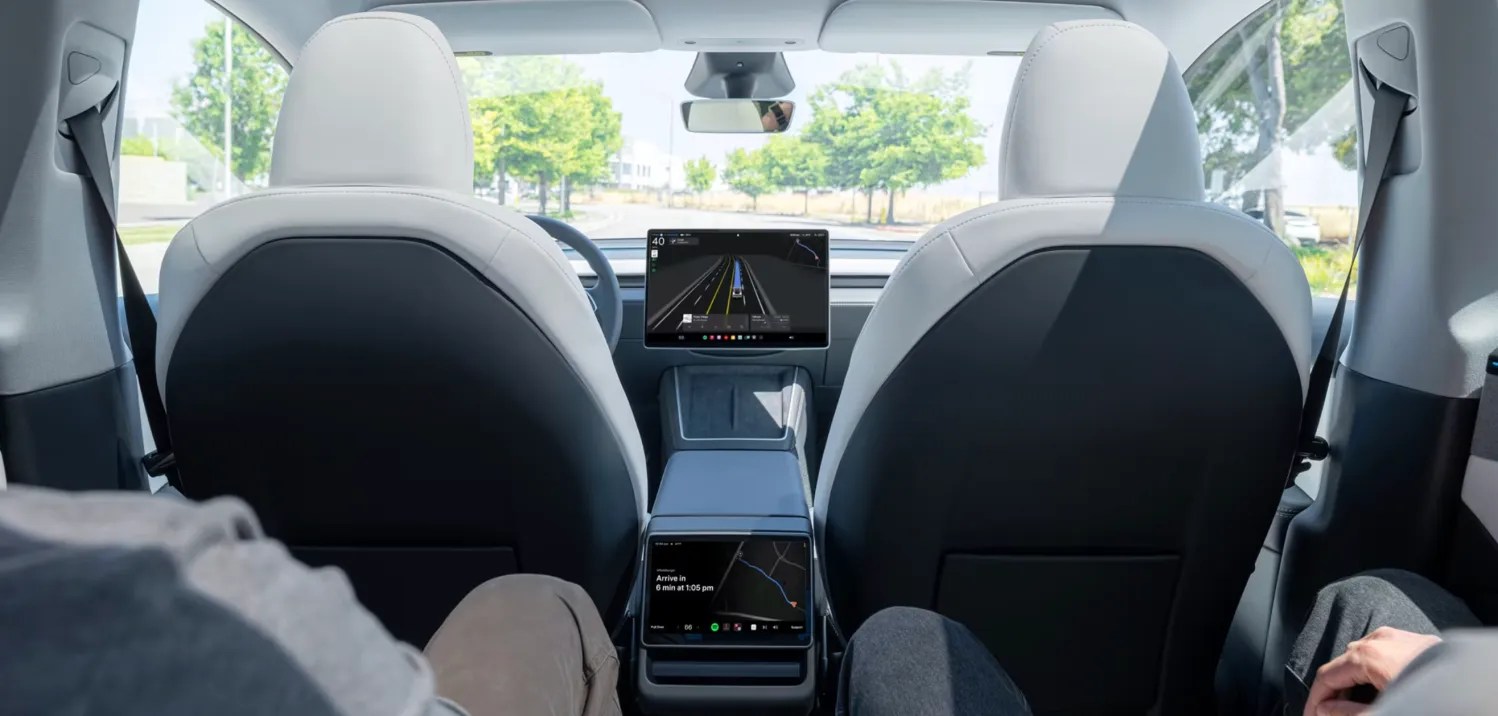
The timing of this data release is far from coincidental. With Elon Musk aggressively pushing for the launch of a dedicated, steering-wheel-free Robotaxi, federal regulators have been tightening the noose. Public trust in autonomous systems is at an all-time low, and the NHTSA has been under immense pressure to demand absolute transparency from automakers. By releasing these narratives, Tesla may be attempting to preempt harsher regulatory crackdowns, proving that they are willing to play ball in exchange for the ultimate prize: nationwide deployment permission for their driverless fleet.
According to reports by Electrek, this sudden transparency is unprecedented for the Texas-based automaker. For the first time, independent safety researchers can cross-reference Tesla’s internal telemetry narratives with police reports and physical evidence. This open-source scrutiny could either vindicate Tesla’s ambitious engineering approach or expose systemic vulnerabilities that could delay the commercialization of fully driverless Robotaxis for several years. What remains clear is that the myth of the perfect autonomous vehicle is officially dead, replaced by the messy, complicated reality of machines navigating a chaotic human world.