Humankind has long dreamed of a fully automated, emission-free future where heavy machinery does the dirty work without destroying the planet. That dream is no longer a distant reality. German engineering powerhouse Sennebogen has just unveiled a mind-blowing, semi-autonomous electric material handling system that is set to completely disrupt the European recycling market. By combining three powerhouse green technologies, they have created an unstoppable force of industrial efficiency.
The Future is Now: Sennebogen’s Electric Revolution
In waste management facilities across Europe, the race is on to reduce carbon footprints while simultaneously maximizing throughput. Traditionally, this has meant relying on noisy, diesel-guzzling excavators that emit massive amounts of greenhouse gases. Sennebogen’s new solution turns this paradigm on its head completely.
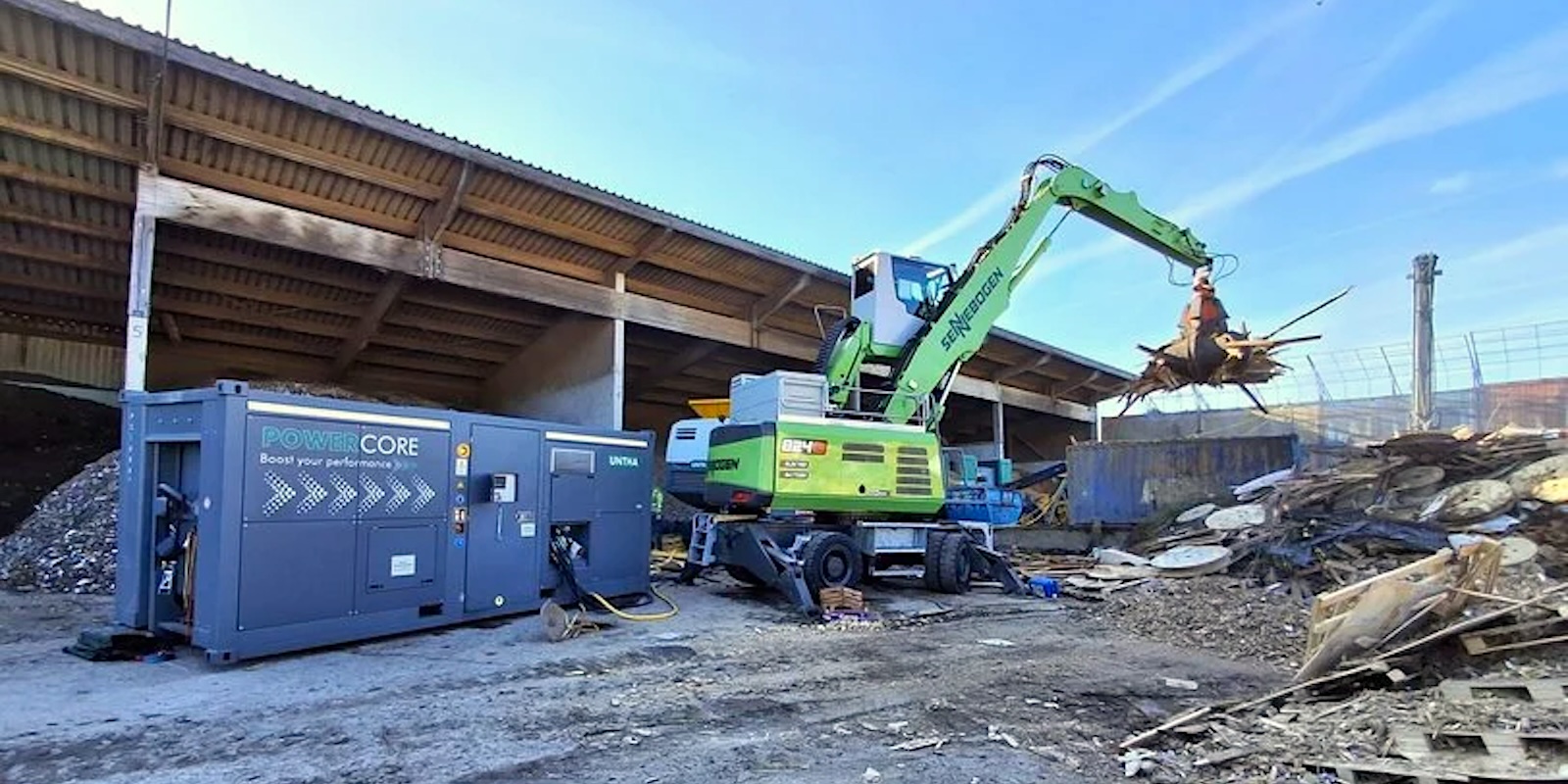
The system centers around an electric wheeled excavator operating in perfect harmony with a high-capacity mobile battery unit and a heavy-duty mobile shredder. Together, this trio automates the grueling task of sorting and shredding materials. This isn’t just a minor upgrade; it is a monumental leap forward for circular economy logistics. This new autonomous electric excavator setup eliminates the need for human operators to endure grueling hours in harsh, hazardous environments, utilizing advanced sensor suites and AI-driven path planning to execute complex material handling tasks with flawless precision and zero localized emissions.
Unmatched Efficiency in Waste Management
Why is this setup causing such a massive stir among industry insiders? The secret lies in its seamless integration. Recycling facilities often struggle with severe operational bottlenecks. Material piles up, shredders run idle, and human excavators can only move so fast. By introducing a semi-autonomous workflow, Sennebogen has effectively cracked the code.
The electric wheeled excavator continuously feeds the mobile shredder, maintaining an optimal flow rate that prevents clogging while maximizing machine utilization. All of this is powered by a massive, mobile battery trailer that ensures the electric excavator does not need to be tethered to a static power grid. This brings unprecedented mobility to zero-emission operations, allowing recycling plants to reorganize their yards dynamically without worrying about power infrastructure limitations.
The Green Tech Trifecta Explored
Let us break down the components of this revolutionary system and how they work together:
- The Electric Wheeled Excavator: A highly agile, emission-free powerhouse that provides the heavy-lifting muscle without the deafening noise.
- The Mobile Battery Unit: Actively solves the charging anxiety of heavy industrial equipment by bringing high-voltage power directly to where the work happens.
- The Mobile Shredder: Works in tandem with the excavator, automatically adjusting its throughput based on the feed rate.
By implementing this green tech trifecta, European recycling hubs are reporting staggering efficiency gains. To learn more about cutting-edge electric vehicle and machine updates, visit Electrek, where the future of sustainable transport and industry is tracked daily. The implications of this technology go far beyond recycling. If autonomous, battery-powered heavy machinery can master the chaotic, unpredictable environment of a recycling plant, it won’t be long before we see these silent giants operating on construction sites, mining operations, and shipping ports worldwide. This breakthrough is a stark wake-up call to traditional machinery manufacturers. The era of diesel dominance is officially ending, paved over by the unstoppable rise of electric, self-operating industrial machines.