The era of the roaring, gas-guzzling delivery truck blocking your neighborhood street might be coming to a sudden, screeching halt. In a move that has caught urban planners and suburban residents alike completely by surprise, retail titan Amazon has officially launched a stealthy new initiative that could permanently alter the landscape of American cities. The shockwaves are already being felt across the nation’s capital as a new fleet of silent, battery-powered giants takes to the pavement. This isn’t just a minor experiment; it is the beginning of a massive logistical restructuring that could redefine how you receive your packages forever.
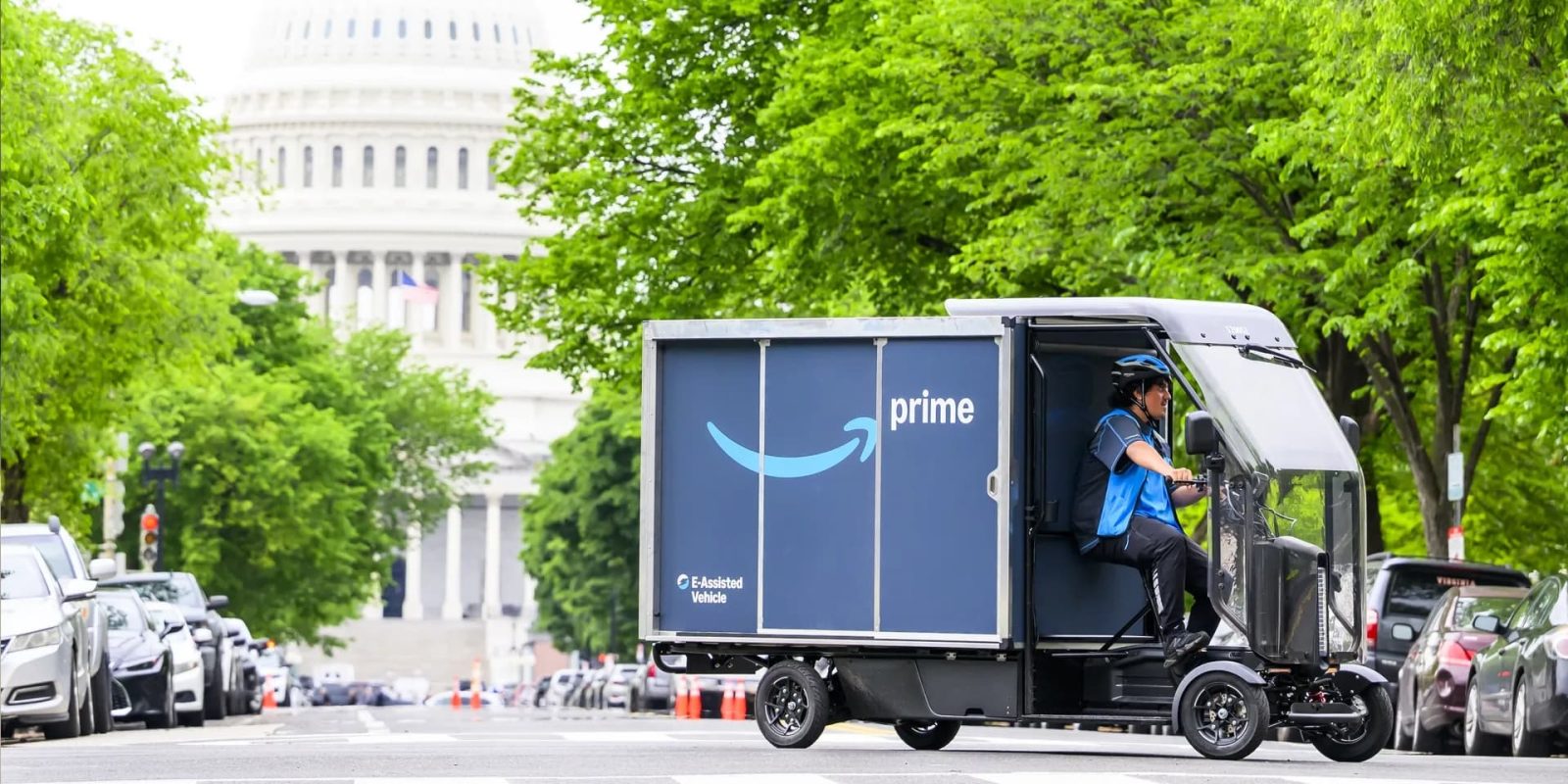
Under a newly minted partnership with the District Department of Transportation (DDOT), Amazon is deploying its highly anticipated ‘MicroFreight DC’ pilot program. For the next ten months, the historic streets of Washington, DC will serve as the ultimate proving ground for a radical new strategy: replacing traditional, hulking delivery vans with a fleet of cutting-edge, heavy-duty electric cargo bikes. If you live in the District, your next prime delivery might not arrive in a blue van, but on the back of a high-tech e-cargo bike.
The End of the Delivery Van? Amazon’s Radical DC Experiment Revealed
For years, urban centers have battled the compounding crises of traffic congestion, double-parked delivery vehicles, and skyrocketing carbon emissions. Traditional logistics networks are buckling under the sheer weight of millions of daily e-commerce shipments. Amazon’s answer to this crisis is as dramatic as it is futuristic. By transitioning to e-cargo bikes, the retail behemoth aims to bypass gridlock entirely, navigating tight alleyways and crowded neighborhood corridors with unprecedented agility.
This pilot represents a massive paradigm shift. Critics have long argued that cargo bikes could never handle the sheer volume of modern consumer demands. However, Amazon is out to prove the skeptics wrong. These are not standard bicycles with baskets slapped on the front; they are high-capacity, heavy-duty logistics machines engineered specifically for grueling urban delivery routes. This transition is not just about saving the planet—it is a ruthless optimization strategy designed to slash delivery times to the absolute minimum.
MicroFreight DC: The Secret 10-Month Operation
The details of the ‘MicroFreight DC’ initiative reveal a highly structured, aggressive push into the future of micro-mobility. Operated through Amazon’s network of independent Delivery Service Partners (DSPs), the fleet will be strategically deployed across key neighborhoods in Washington, DC. The ten-month timeline is designed to test the limits of these electric cargo beasts across all seasons, confronting scorching summer heat, autumn rains, and freezing winter snow.
Government officials are watching closely. The DDOT is eager to see if this program can successfully reduce the number of massive delivery trucks idling in bike lanes and obstructing pedestrian traffic. For Amazon, the stakes are incredibly high. If successful, this pilot will serve as the blueprint for similar rollouts in major metropolitan areas across the United States. Cities like New York, Chicago, and San Francisco are already rumored to be next on the list for this electric takeover.
The Massive Tech Behind Amazon’s New Electric Fleet
What makes these vehicles so revolutionary is the advanced engineering packed into their frames. Equipped with powerful electric assist motors and heavy-duty battery packs, these e-cargo bikes allow riders to transport hundreds of pounds of cargo without breaking a sweat. They represent a hybrid solution—combining the cargo capacity of a small utility vehicle with the nimble footprint of a bicycle.
As the battle for last-mile delivery dominance heats up, competitors are scrambling to match Amazon’s rapid pace of innovation. To understand the sheer scale of these massive cargo e-bikes and what they mean for the future of urban transit, you can read the detailed breakdown on Electrek. The implications of this technology stretch far beyond just delivering packages faster; it is about reclaiming public spaces from massive commercial vehicles and paving the way for a cleaner, quieter, and more efficient urban future. Whether residents are ready or not, the e-bike revolution has officially arrived at their doorsteps.