The Cybertruck Collision That Shook the Tech World
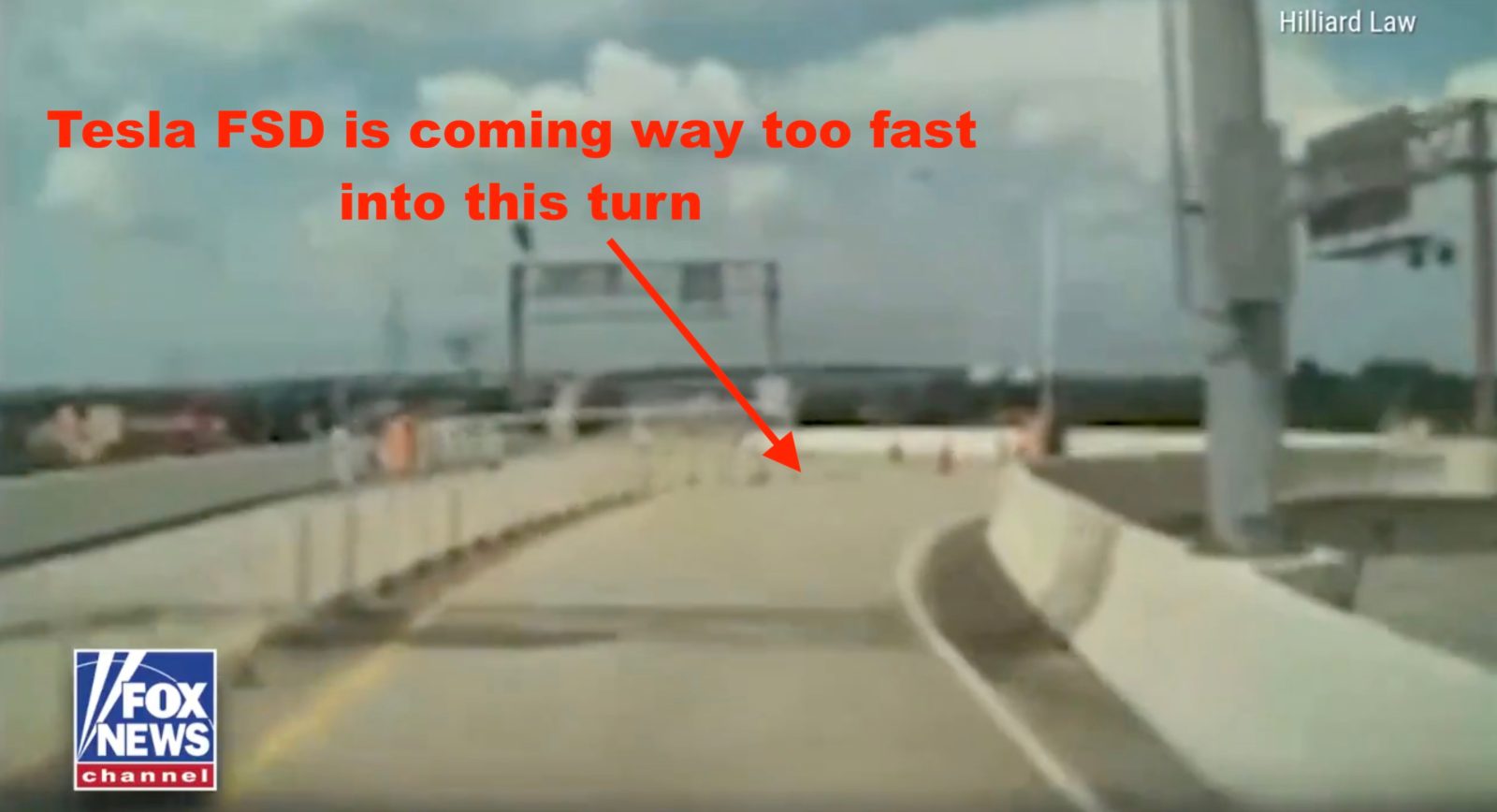
A chilling dashcam video has ignited a firestorm across social media, capturing the moment a massive Tesla Cybertruck slammed into a concrete overpass barrier on a busy Houston highway. The footage, which has since gone viral, purportedly shows the futuristic stainless-steel beast operating under Tesla’s controversial ‘Full Self-Driving’ (FSD) software just moments before the impact. As the debris cleared, a massive debate erupted: Is the technology failing, or are drivers simply becoming too complacent with the promise of autonomy? The incident has become a lightning rod for criticism against Tesla’s vision of a self-driving future. While the vehicle is marketed as having full capabilities, the reality on the asphalt often tells a different story. In the Houston crash, the Cybertruck appeared to navigate directly into a structural barrier, leading many to question if the vision-based system can truly handle the complexities of high-speed highway interchanges. This is not just about a broken truck; it is about the safety of every commuter sharing the road with these experimental algorithms.
Elon Musk and the 4-Second Defense
Never one to stay silent when his empire is under fire, Elon Musk quickly took to X to address the growing controversy. According to Musk, Tesla’s internal logs paint a very different picture than what the sensationalist headlines suggest. The CEO claimed that the vehicle’s logs show the driver disengaged the FSD system exactly four seconds before the impact. This technicality suggests that at the moment of the crash, the human pilot was in full control, effectively shifting the legal liability away from Tesla’s software and onto the individual behind the wheel.
However, critics argue that this 4-second window is a convenient loophole for the company. If the system puts the driver in a dangerous situation and they take over at the last possible second in a desperate attempt to avoid disaster, should the software really be cleared of all blame? This specific defense has been used in previous Tesla accident investigations, raising questions about whether the handoff process between AI and human is inherently flawed. Tesla fans have rallied behind Musk, labeling the backlash as ‘FUD’ (Fear, Uncertainty, and Doubt) designed to tank the company’s stock. They argue that the driver should have been paying closer attention to the road, as per the explicit warnings provided by Tesla when FSD is engaged.
The Lethal Illusion of Autonomy
While the technical logs provide one narrative, the visual evidence provides another. The original reporting at Electrek highlights that the problem may not be a sudden hardware failure, but rather the nuanced and more concerning issue of overconfidence. When a system performs flawlessly 99% of the time, humans naturally begin to trust it with their lives. This psychological phenomenon, often called ‘automation bias,’ creates a dangerous environment where drivers stop scanning the horizon for potential hazards, assuming the computer has it handled.
- The inability of vision-only systems to distinguish certain lighting conditions on concrete.
- The delay in human reaction time when regaining control in an emergency.
- The massive kinetic energy of the Cybertruck making crashes significantly more severe.
- The marketing of ‘Full Self-Driving’ versus its actual legal status as a Level 2 driver-assist system.
As we move closer to a world where cars are supposed to drive themselves, the Houston Cybertruck crash serves as a grim reminder of the gap between marketing hype and real-world performance. The Cybertruck, with its sharp edges and immense weight, is already a polarizing vehicle. When you combine that physical profile with software that is still technically in ‘Beta,’ the results can be catastrophic. The industry must now grapple with whether it is ethical to test these systems on public roads without stricter oversight. For now, the battle between Musk’s data and the public’s perception continues to rage, leaving potential buyers wondering if they are purchasing a piece of the future or a high-tech liability. The fallout from this crash will likely reach the halls of regulatory agencies like the NHTSA, which are already keeping a close eye on Tesla’s FSD updates. If it is proven that the software consistently leads drivers into trap scenarios—where a crash becomes inevitable despite a late disengagement—we could see unprecedented recalls. Until then, Cybertruck owners are cautioned to keep their hands on the wheel at all times.