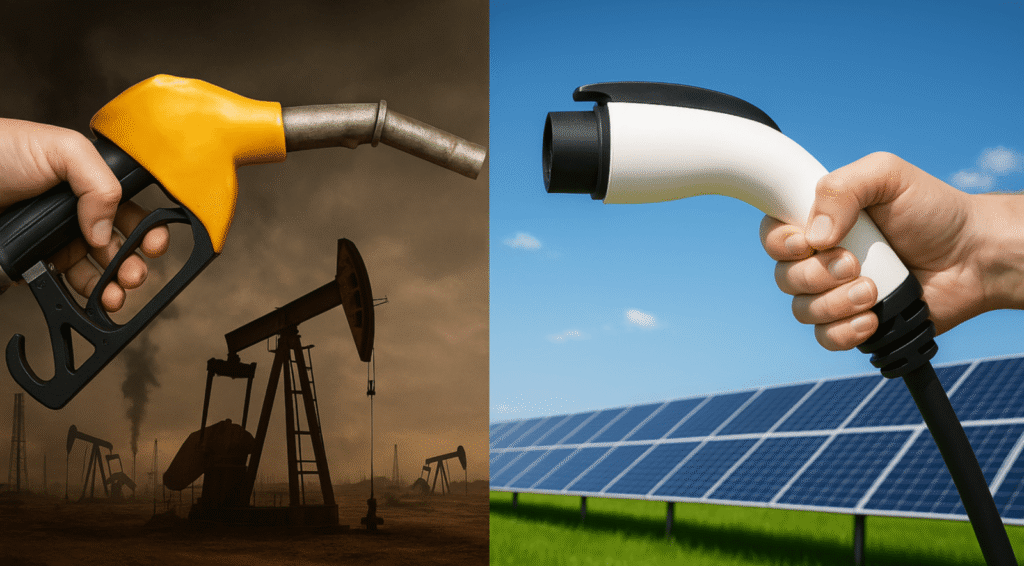
As American families struggle under the weight of unprecedented utility spikes, a major political showdown is brewing in Washington. The era of cheap electricity seems like a distant memory for many homeowners, but a group of 120 House Democrats is determined to turn the tide. They have officially introduced the Energy Bills Relief Act, a piece of legislation designed to bring back the financial lifelines that were systematically dismantled last year. This isn’t just a policy debate; it is a battle for the pocketbooks of every citizen who has felt the sting of a triple-digit power bill.
The Fight for Affordable Energy: Restoring Solar Incentives
The introduction of the Energy Bills Relief Act marks a pivotal moment in the current administration’s struggle to maintain energy affordability. For months, critics have pointed to the rising costs of traditional fossil fuels and the lack of infrastructure investment as the primary drivers of inflation in the energy sector. By restoring incentives that were repealed, this bill aims to empower the average American to take control of their own energy production and reduce their reliance on an aging, expensive grid.
This legislative move comes at a time when energy prices have hit historic highs in several states. The 120 House Democrats backing the bill argue that the repeal of previous incentives was a direct attack on middle-class savings. They contend that the shift back to fossil-fuel dependence has not only hurt the environment but has also drained the bank accounts of hardworking Americans. The new act promises to reverse this trend by providing immediate relief through tax credits and direct subsidies.
Why Your Utility Bills Skyrocketed Recently
To understand where we are going, we must look at what was lost. Last year, a series of legislative maneuvers resulted in the repeal of several key components of the Inflation Reduction Act. These programs were originally designed to subsidize the transition to renewable energy for low-to-middle-income families. When these incentives disappeared, so did the hope of many for a more affordable future. The Republican-led initiative to strip these funds was framed as a cost-cutting measure for the federal government, but as we see today, the cost was simply shifted directly onto the consumer.
The impact of these cuts was felt almost immediately. Without the federal support for solar installations and energy-efficient heat pumps, many homeowners were forced to stick with inefficient systems that guzzle electricity and gas. The Energy Bills Relief Act aims to fix this by injecting capital back into the hands of the people. You can read the full report on the legislative hurdles to see just how uphill this battle might be in the current political climate.
The Solar Revolution: Savings You Can Actually Feel
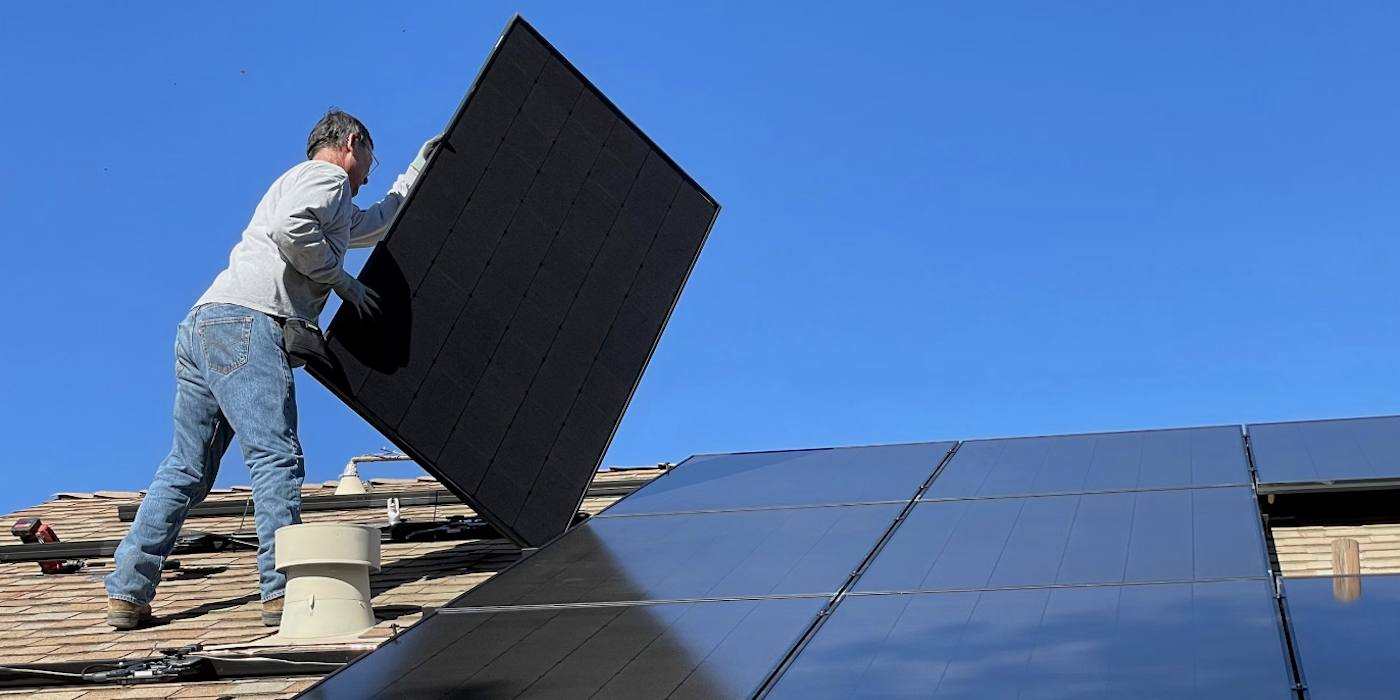
The most significant part of the new proposal is the focus on residential solar power. Solar energy remains one of the most effective ways to permanently lower monthly utility obligations. The Energy Bills Relief Act seeks to restore several critical components of the original green energy vision, including:
- Direct tax credits for residential solar panel installation and maintenance.
- Enhanced subsidies for high-efficiency home insulation and weatherization.
- Grants for community solar projects that benefit apartment dwellers and renters.
- Financial support for home battery storage systems to help manage peak demand.
The political fallout of this bill is already being felt across the aisle. Advocates for the green transition argue that energy independence is a matter of national security. When families can generate their own power, they are less vulnerable to the volatile fluctuations of global oil and gas markets. Furthermore, the ‘green collar’ job market is expected to see a massive surge if this bill passes, creating thousands of opportunities in installation, manufacturing, and maintenance across the country.
Opponents argue that these incentives are a distortion of the free market, but for the 120 House Democrats backing this bill, the ‘free market’ has failed to provide affordable heating and cooling for millions. They argue that the previous repeal was a direct hit to the American middle class during a period of high inflation. If passed, the Energy Bills Relief Act could potentially save the average household hundreds, if not thousands, of dollars annually. As we approach another election cycle, the cost of living remains the top concern for voters, making this bill a central pillar of the Democratic economic platform.