Tesla, the once-unshakeable titan of the electric vehicle industry, is facing a moment of reckoning that could redefine its future. New data released regarding the company’s Q1 2026 delivery consensus has sent shockwaves through the financial sector. With a projected 365,645 vehicles, the number sounds impressive on paper, but a closer look reveals a harrowing narrative of a giant gasping for air in a market that has grown increasingly hostile. The aura of invincibility that once surrounded Elon Musk’s enterprise is beginning to fade, replaced by the cold, hard reality of spreadsheet analysis and investor skepticism. Many are asking: is the ‘Tesla era’ reaching an unceremonious end?
The Shocking Reality of Tesla’s Q1 2026 Forecast
For years, Tesla was the gold standard of growth, but the latest Wall Street consensus paints a far bleaker picture. Compiled from 23 sell-side analysts, the estimate suggests that Tesla is still mired in a period of stagnation. After two consecutive years of declining sales, this 8% bump from the previous year is less of a recovery and more of a desperate attempt to stay relevant. Analysts are sounding the alarm because they know that in a world of high-growth tech stocks, an 8% increase is essentially standing still. The market’s reaction has been nothing short of volatile, as the gap between Musk’s grand vision and the quarterly reality continues to widen to uncomfortable levels.
While enthusiasts point to the 336,681 vehicles delivered in Q1 2025 as a benchmark, seasoned financial experts recognize that comparing these figures is a misleading tactic designed to soothe nervous shareholders. The context is everything: Tesla used to see year-over-year gains of 40% or even 50%. This new single-digit growth trajectory suggests that the brand may have finally hit its saturation ceiling. Without a radical shift in strategy, the company risks being overtaken by legacy manufacturers who have finally figured out the EV supply chain. The pressure is mounting, and the cracks are starting to show in the company’s once-impregnable armor.
Behind the Smoke and Mirrors of the 8% Increase
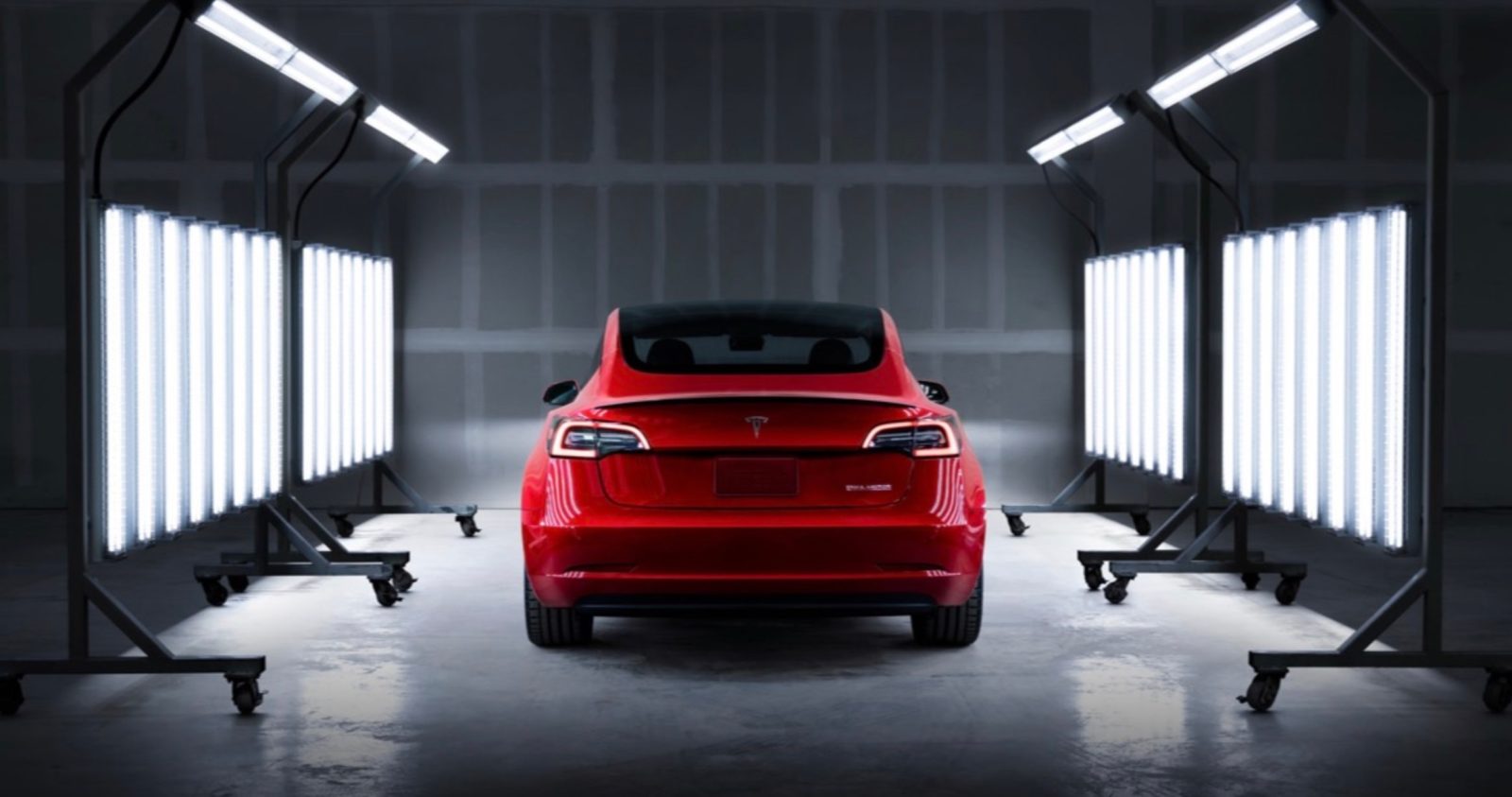
A 8% increase might sound like progress to the casual observer, but in the world of high-stakes automotive manufacturing, it represents a significant and dangerous slowdown. Tesla’s global infrastructure is built for exponential expansion, not incremental shifts. The consensus of 365,645 vehicles indicates that the demand for the existing lineup—Models 3, Y, S, and X—is reaching a stagnation point in major markets. Without a groundbreaking new product or a massive price overhaul that doesn’t gut profit margins, the company risks becoming a legacy player in the very market it created. The competition isn’t just coming from Detroit; it’s coming from nimble Chinese firms that can produce quality EVs at a fraction of the cost.
- Stagnant demand in key markets like China where local brands like BYD are dominating the lower price brackets.
- Rising production costs despite attempts at extreme automation and vertical integration.
- A brand image that is becoming increasingly polarized due to controversial leadership and political stances.
- The aging platform of the Model 3 and Model Y, which are no longer the ‘must-have’ gadgets they once were in 2022.
Why Investors Are Sounding the Alarm
The skepticism isn’t just about the raw delivery numbers; it’s about the erosion of the ‘Tesla Premium.’ As the company focuses on secondary projects like humanoid robotics and Full Self-Driving AI, its core business—the cars—seems to be suffering from a lack of aesthetic and functional innovation. The Q1 2026 consensus is a wake-up call for everyone involved. If the company cannot return to double-digit growth soon, the valuation that has made it one of the most valuable companies on earth could evaporate overnight. You can track the latest automotive industry trends to see how this uncertainty is impacting the broader sector and why some are calling this an ‘EV winter’ that could last for several more quarters.
Furthermore, the ‘misleading’ nature of these comparisons hides a deeper truth: the electric vehicle market is no longer a monopoly controlled by Austin. With legacy automakers like Ford and General Motors finally finding their footing, and European giants like VW ramping up their software capabilities, Tesla’s once-impregnable fortress is showing structural damage. The 365,645 target isn’t just a number; it’s a symptom of a much larger identity crisis. Is Tesla a car company, a tech firm, or a cautionary tale of corporate hubris? Shareholders are demanding answers, but for now, they are only getting modest projections and tempered expectations from the analysts.
As we move deeper into the 2026 fiscal year, all eyes will be on the Gigafactories in Austin, Berlin, and Shanghai. Can these facilities ramp up enough to beat these conservative estimates, or is the consensus actually an optimistic ceiling? One thing is certain: the era of easy wins for Tesla is officially over. Every single delivery will now be a battle, and every quarter will be a referendum on the future of electric mobility. The coming months will determine if this 8% increase is the start of a slow climb or the final gasp before a major pivot that could change the automotive landscape forever. For those holding TSLA stock, the tension is palpable, and the stakes have never been higher than they are right now.