
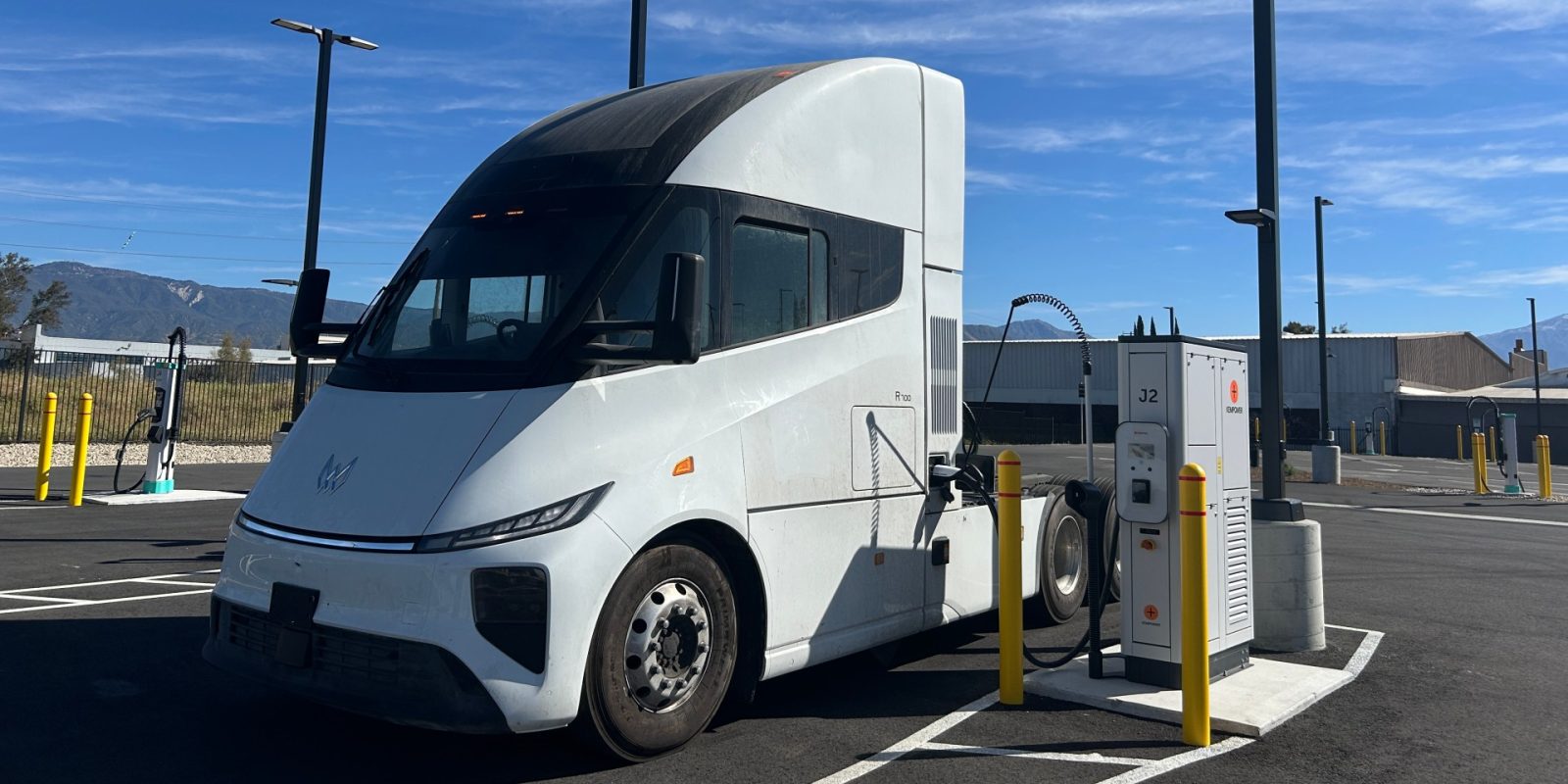
The Dawn of the Megawatt Era in California
In a move that has sent shockwaves through the global logistics and transportation industries, a monumental milestone has been reached in California. For years, the primary criticism against electric semi-trucks was the charging bottleneck—the idea that heavy-duty vehicles would require hours, if not days, to replenish their massive battery packs. However, those arguments were just dismantled as Kempower and EV Realty successfully demonstrated the first megawatt-scale charge for a commercial vehicle in North America. This isn’t just a technical achievement; it is the opening salvo in a war against diesel dominance that has lasted for over a century.
The sheer scale of energy being transferred is difficult to fathom for the average passenger EV driver. While a standard Tesla Supercharger might peak at 250kW, the Megawatt Charging System (MCS) being deployed here is operating on a completely different level, potentially reaching over 1,000kW. This breakthrough ensures that long-haul shipping can finally transition away from fossil fuels without sacrificing the precious uptime that fleet operators demand. We are looking at a future where a massive Class 8 truck can gain hundreds of miles of range in the time it takes for a driver to take a legally mandated lunch break. This is the ‘holy grail’ of the electric transition.
How Kempower and EV Realty Broke the Charging Barrier
The collaboration between Kempower and EV Realty represents a perfect synergy of hardware innovation and strategic infrastructure placement. Kempower, a Finnish company known for its modular and scalable DC fast-charging solutions, provided the technological backbone. Their satellite-based system allows for dynamic power distribution, which is essential when dealing with the high-voltage requirements of megawatt charging. By optimizing how electricity flows into the vehicle, they have mitigated the heat issues that previously plagued high-capacity charging attempts, utilizing advanced cooling mechanisms that keep the hardware safe during extreme power transfers.
EV Realty, on the other hand, focused on the Power Center concept. These are not your average roadside stations; they are massive industrial hubs designed specifically for the high-demand requirements of the trucking industry. Located near major shipping arteries in California, these centers are built to handle the massive grid load necessary to power dozens of trucks simultaneously. This specific milestone in California proves that the technology is no longer theoretical—it is ready for the real world. You can find more details on the evolution of this technology at Electrek, where the future of mobility is tracked daily as it unfolds across the globe.
Why 1MW+ Charging Changes Everything for Logistics
The transition to zero-emission shipping has always been a game of numbers. Fleet managers care about Total Cost of Ownership (TCO) and operational efficiency above all else. Until now, the math didn’t always favor electric trucks for long-haul routes due to the weight of batteries and the time required to juice them up. With megawatt charging, the equation has changed forever. Here is why this milestone is the definitive turning point for the logistics industry:
- Drastic Reduction in Downtime: Trucks can now charge in 20-30 minutes rather than several hours, matching the workflow of diesel.
- Grid Stability and Integration: New MCS hubs are designed with on-site battery storage to buffer the grid during peak demand.
- Scalability: The modular nature of the Kempower system means hubs can grow as fleet sizes increase without starting from scratch.
- Environmental Compliance: California’s strict emissions mandates are now achievable for heavy fleets that previously had no viable alternative.
The ripple effects of this achievement will be felt far beyond the borders of the Golden State. As other states and countries look for a blueprint to decarbonize their freight corridors, they will inevitably look to the California model as the standard. The successful implementation of megawatt charging proves that electric trucks can handle the most demanding schedules on the planet. We are witnessing the beginning of the end for the internal combustion engine in the heavy-duty sector. It is no longer a question of if the world will go electric, but how fast the infrastructure can be built to support the coming tide of electric semis that are ready to dominate the roads.