The Electric Vehicle Shockwave: April 2026 Shatters All Records
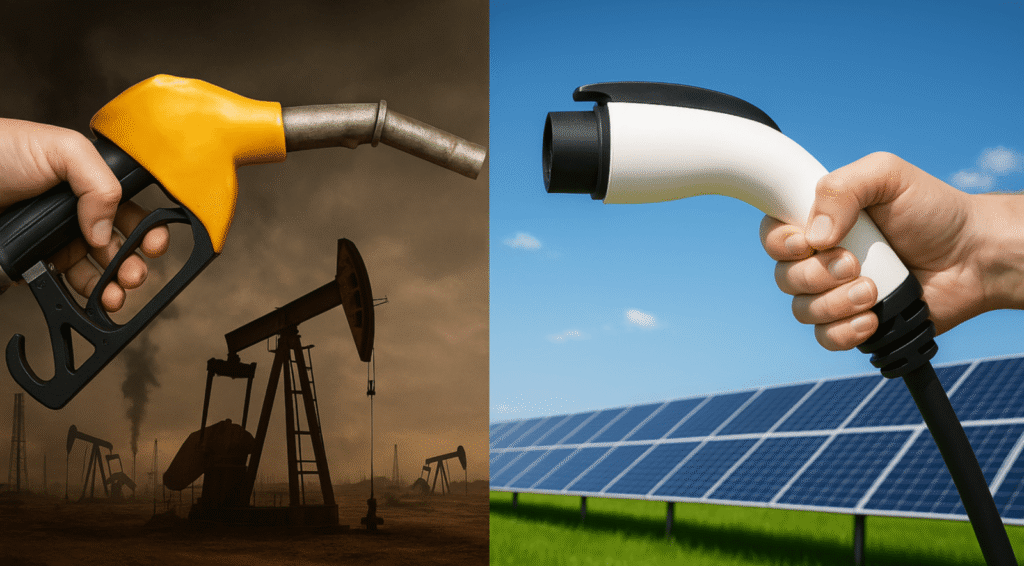
The global automotive landscape is undergoing a violent transformation, and the latest sales data has sent massive shockwaves through legacy car manufacturers. In a stunning turn of events, global EV sales reached a mind-blowing 1.6 million units in the single month of April 2026 alone. This massive surge brings the total sales for the year to an unprecedented 5.6 million units, according to explosive new data released by Benchmark Mineral Intelligence. The gas-powered era is not just ending—it is being completely obliterated by an electric wave that shows absolutely zero signs of slowing down.
If you thought electric vehicles were just a passing fad or a luxury plaything for the ultra-wealthy, it is time to wake up. The sheer velocity of this transition is catching even the most optimistic industry analysts off guard. Millions of drivers worldwide are abandoning traditional internal combustion engines in favor of high-tech, zero-emission alternatives. This massive shift represents far more than just a simple change in consumer preference; it is a full-blown industrial revolution happening in real-time right before our eyes, altering global economics forever.
Europe Takes the Wheel in Global Dominance
While critics pointed to slowing government subsidies and economic headwinds, Europe completely defied all expectations in April 2026. The continent became the primary engine of growth, driving global EV sales to historic heights never seen before. European consumers are voting decisively with their wallets, choosing state-of-the-art battery electric vehicles (BEVs) over their polluting diesel and petrol ancestors. Tightening emissions regulations, combined with an influx of highly affordable, high-performance models, have created a perfect storm for rapid adoption. European cities are rapidly transforming their infrastructure to accommodate this massive influx, ensuring that the electric momentum will only accelerate in the coming months as charging networks expand.
China’s Export Tsunami Threatens Legacy Carmakers
But Europe is not acting alone in this global disruption. Across the globe, Chinese automotive giants are unleashing an unprecedented export onslaught that has traditional Western automakers trembling. Chinese EV exports have surged to historic highs, flooding international markets with highly competitive, technologically superior vehicles at price points that legacy brands simply cannot compete with. With domestic production lines operating at peak efficiency, Chinese manufacturers are aggressively expanding their footprint into Europe, Southeast Asia, and South America. This aggressive expansion is forcing global competitors to either innovate at breakneck speed or face complete irrelevance in the new electric world order.
To fully grasp the scale of this phenomenon, we must look at the cumulative progress. Reaching 5.6 million units in just the first four months of 2026 is an astronomical achievement that puts the industry on track for a record-shattering year. The supply chains for critical minerals, battery components, and semiconductor chips are being pushed to their absolute limits to keep up with this insatiable global demand. Industry experts warn that any automaker lagging behind in its electrification strategy is essentially signing its own financial death warrant as market share evaporates overnight. You can read more about how Europe drove global EV sales to understand the microtrends shaping this monumental shift.
Ultimately, the latest data from April 2026 serves as an undeniable wake-up call for the global energy and automotive sectors. The electric vehicle revolution is no longer a distant future prospect—it is the dominant, driving reality of the present. As public charging infrastructure improves and battery technology continues to evolve, the barrier to entry will drop even further, paving the way for a complete global transition. The only remaining question is: which legacy automakers will survive the electric onslaught, and which ones will be left behind in the dust of history?