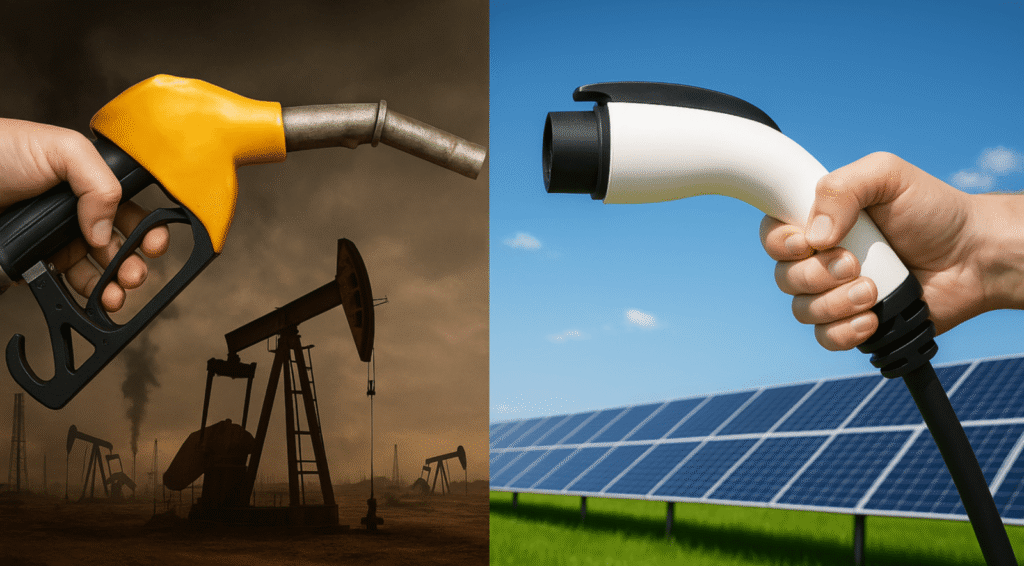
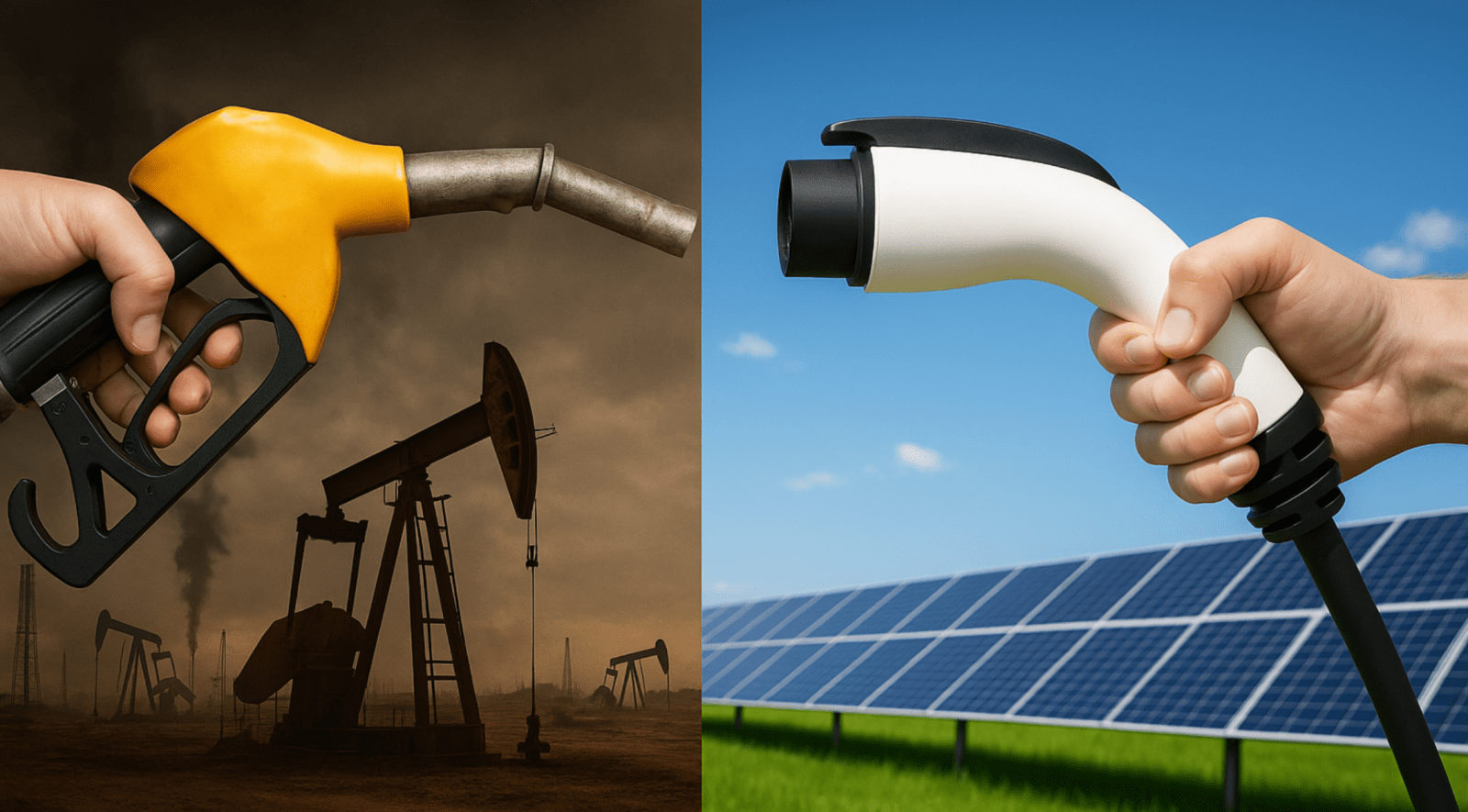
The writing is on the wall, and it is written in high-voltage electricity. In a shocking turn of events that has sent shockwaves through the global automotive industry, gas car sales collapse statistics have reached a terrifying historic milestone. The era of the internal combustion engine (ICE) is not just fading—it is facing a sudden, violent extinction event. For decades, legacy automakers laughed off the electric vehicle threat as a niche plaything for the wealthy. Today, those same executives are staring down an apocalyptic reality as the world’s largest automotive market undergoes a rapid, irreversible transition that will change transportation forever.
The Cataclysmic Fall: Gas Car Sales Collapse
The latest data from the frontlines of the automotive revolution reveals a staggering truth: gas car sales collapse by an unprecedented 37% year-over-year in the world’s largest auto market. This is not a minor market correction; it is a full-blown consumer mutiny. In April, traditional internal combustion vehicles were rejected at a rate never before seen in modern economic history. Millions of buyers are simultaneously turning their backs on fossil-fuel-powered engines, leaving dealerships packed with unsold, depreciating gas guzzlers. The financial implications are massive, threatening to bankrupt legacy manufacturers who failed to pivot quickly enough to clean energy alternatives. Analysts are calling this the steepest decline in automotive history, signaling that the tipping point has not just arrived—it has run over the competition.
The Extinction Event: EV Dominance Exposed
If you want to understand just how complete this takeover is, you only need to look at the sales charts. Out of the top ten bestselling vehicles in the massive Chinese market last month, a mind-blowing nine of them were plug-in electric vehicles. Let that sink in. A single, solitary internal combustion engine vehicle managed to scrape its way onto the bottom of the list, standing as a lonely, outdated relic of a bygone era. This shocking statistic proves that consumers are no longer choosing EVs merely as green alternatives; they are choosing them because they are objectively superior technology. With lower operating costs, instantaneous torque, and smart-grid integration, electric vehicles have effectively made the traditional gas car obsolete overnight. The shift is so rapid that infrastructure providers are scrambling to keep pace with the overwhelming demand for high-speed charging stations.
Global Fallout: Will the West Be Next?
While some Western markets continue to debate the feasibility of electric transitions, the unprecedented shift in Asia offers a crystal ball into the future of global transit. What happens in the world’s largest market inevitably dictates global production pipelines. Automakers who rely on profits from gas-powered vehicles to fund their slow EV development are running out of time. According to industry reports on Electrek, this ‘ICE age’ is officially over. The supply chains are shifting, battery costs are plummeting, and consumer sentiment has crossed the point of no return. European and American legacy brands that rely heavily on joint ventures and exports are facing an existential crisis. If they cannot compete in the dominant market, their global market share will be cannibalized by agile, pure-play EV manufacturers.
The collapse of fossil fuel vehicle sales is a stark warning to anyone still betting on the combustion engine. It is no longer a question of ‘if’ electric vehicles will take over, but ‘how fast’ the remaining gas infrastructure will crumble. As gas stations face declining traffic and governments implement stricter emissions mandates, the cost of owning a traditional vehicle will skyrocket. The future is electric, and it is arriving much faster than anyone anticipated. Legacy automakers must adapt immediately, or they will find themselves buried in the graveyard of technological history alongside the horse and buggy.