Imagine walking into a local coffee shop, pulling out your sleek, ultra-portable folding electric bike, and plugging its battery straight into the very same USB-C charger you use for your laptop. It sounds like pure science fiction, but this is the unbelievable reality of the all-new ENGWE Zip. In a market flooded with massive, heavy, and downright inconvenient proprietary charging bricks, ENGWE has just dropped a technological bombshell that could completely revolutionize how we view urban micro-mobility forever.
Historically known for their chunky, off-road-ready fat tire beasts, ENGWE is steering in a radically different direction. They are trading the rugged, oversized aesthetics for pure, unadulterated urban refinement. And the centerpiece of this revolution? A budget-friendly folding e-bike that ditches the traditional heavy charger in favor of the universal port we all know and love.
The Death of the Heavy E-Bike Brick Charger
Let’s face it: proprietary e-bike chargers are an absolute nightmare. They are heavy, they get dangerously hot, and if you lose one, you are often forced to shell out upwards of a hundred dollars for a highly specific replacement. But the ENGWE Zip completely shatters this frustrating status quo. By integrating a high-tech battery system compatible with standard Power Delivery (PD) USB-C chargers, ENGWE has liberated riders from the tyranny of the charging brick.
Whether you are at your office desk, studying at a library, or lounging in a cafe, you no longer need to haul a massive backpack full of cords. Just use your standard laptop charger, plug it directly into the ENGWE Zip’s compact battery pack, and watch the power restore. It is a deceptively simple change, yet it represents one of the most significant quality-of-life upgrades the electric bicycle industry has seen in a decade.
Why the ENGWE Zip is Turning Heads
But the USB-C charging capability is only half the story. The ENGWE Zip represents a massive design pivot for a brand previously famous for budget-friendly commuter models and rugged cargo options, such as the ENGWE LE20 electric cargo bike. Instead of wide, intimidating tires and industrial frames, the Zip features sharp, angular geometry, a highly compact folding mechanism, and a refined aesthetic meant to blend seamlessly into the modern metropolitan lifestyle.
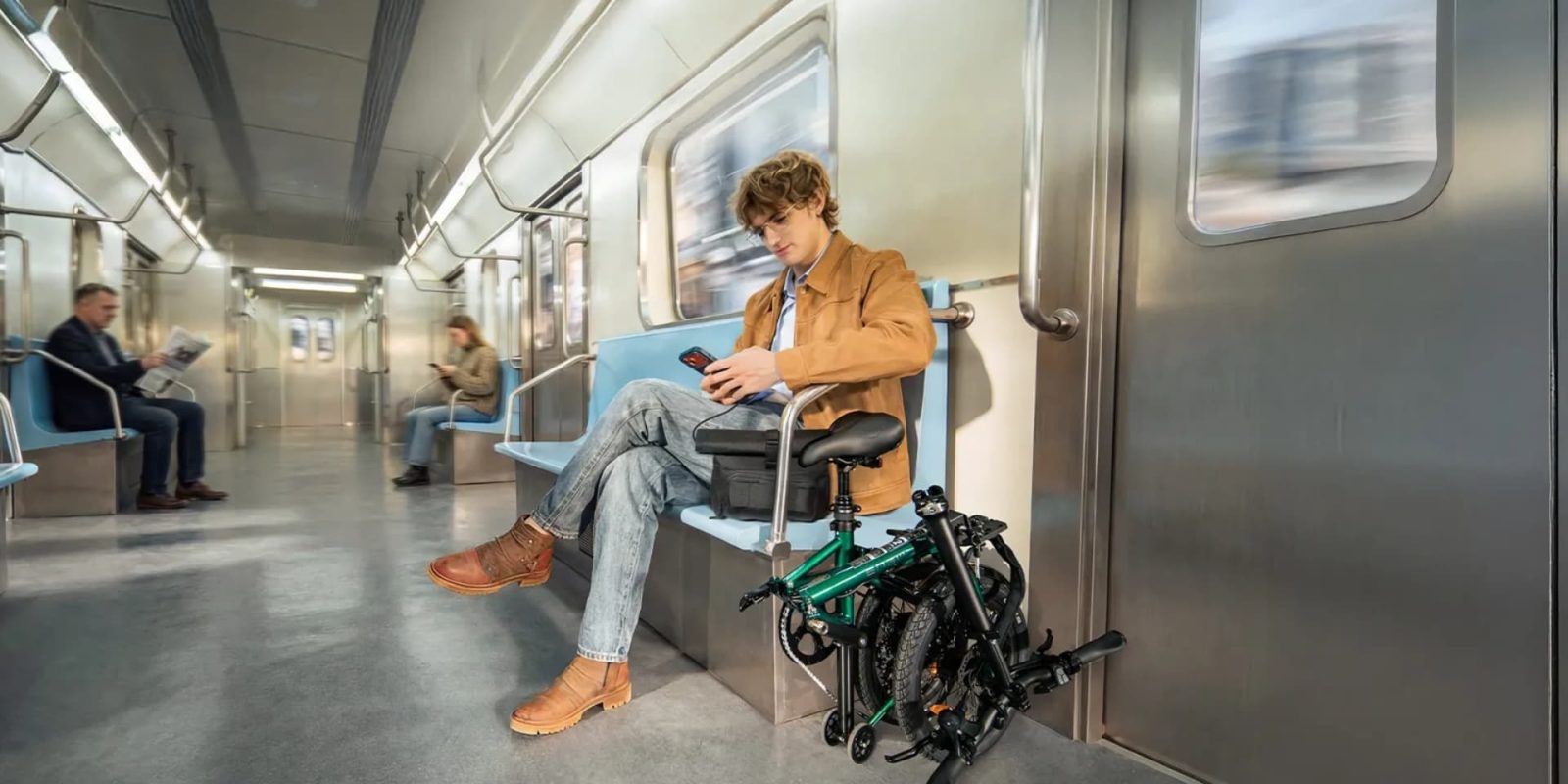
This is not a machine built to conquer muddy mountain trails; this is a precision-engineered weapon designed to slice through daily city traffic, fit effortlessly into the trunk of a compact car, or slide under a subway seat during rush hour. By targeting the everyday commuter who values convenience above all else, ENGWE is carving out a highly lucrative niche that traditional e-bike manufacturers have completely ignored.
Is USB-C Charging the Future of Urban Transit?
The technical achievement here cannot be understated. To safely fast-charge a substantial e-bike battery via a USB-C protocol requires sophisticated power management circuitry. ENGWE’s engineering team had to ensure that the battery could handle varying wattages without overheating or sacrificing overall cell longevity. The result is a highly efficient charging cycle that opens up endless possibilities for the industry.
If other manufacturers follow ENGWE’s bold lead, we could soon see a world where standard public USB charging stations can power up everything from your phone to your electric vehicle. For now, the ENGWE Zip stands as a thrilling, low-cost pioneer of this incredibly promising future. Commuters, tech enthusiasts, and budget-conscious riders alike are already scrambling to get their hands on what is easily the most exciting micro-mobility release of the year.