The Shocking Truth Behind Elon Musk’s Wildest Tesla Promise Yet
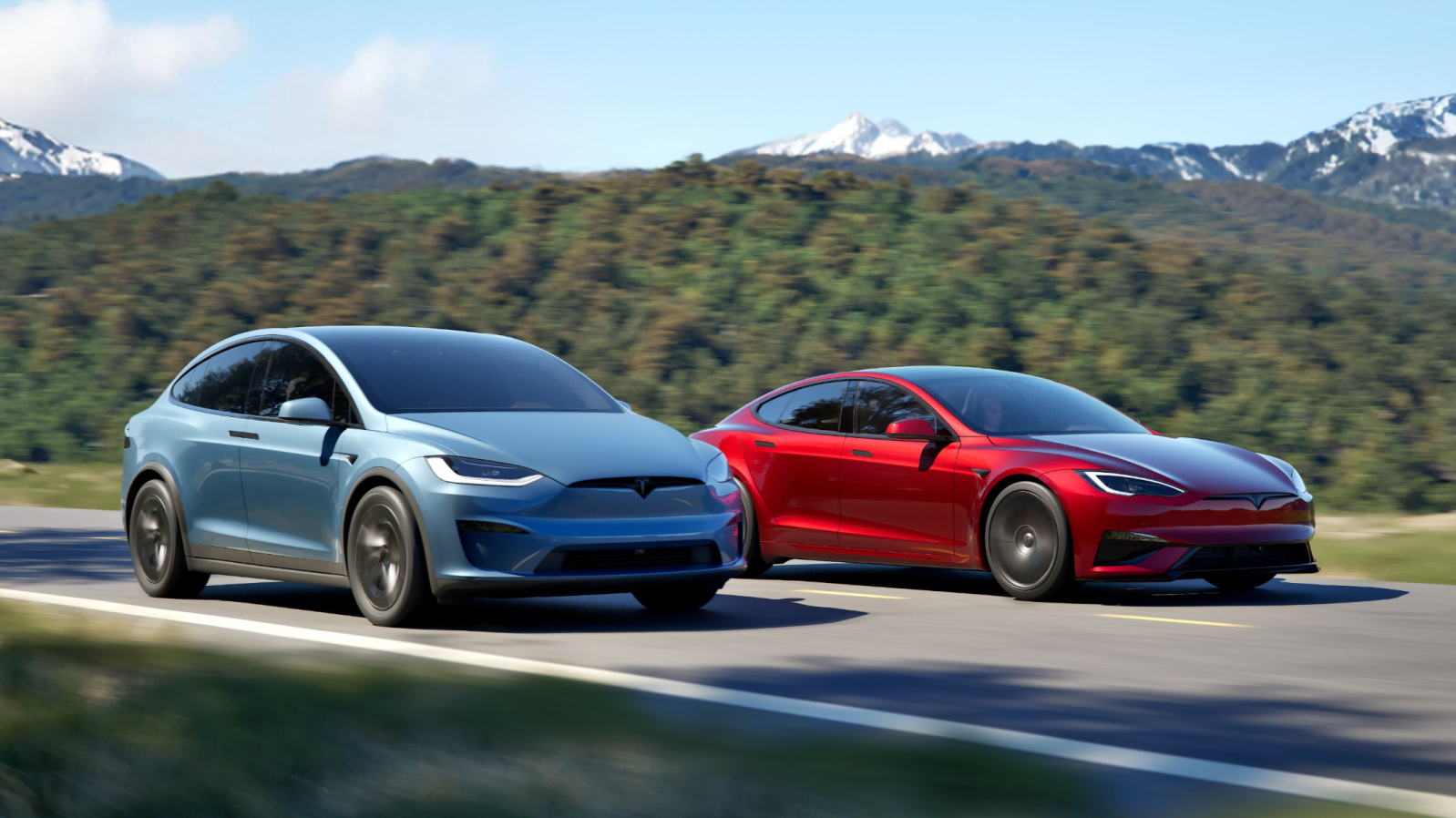
In an extraordinary twist that has sent shockwaves through the electric vehicle industry, tech billionaire Elon Musk has dropped a bombshell announcement that sounds almost too good to be true. According to recent statements, Tesla is allegedly preparing to ‘open source’ its flagship vehicles, the legendary Model S and the futuristic Model X. For automotive enthusiasts, open-source advocates, and die-hard Tesla fans, this announcement initially sparked absolute euphoria across social media platforms. The concept of gaining full access to the inner workings, engineering blueprints, and proprietary software of two of the most iconic electric vehicles on planet Earth is nothing short of revolutionary.
But before you start printing your own Tesla parts in your garage or rewriting the firmware of your luxury EV, a terrifying reality check is setting in. Is Elon Musk actually handing over the keys to his multi-billion-dollar electric empire, or is this just another grand masterclass in sensational public relations smoke and mirrors?
The Roadster Blueprint: A Legendary PR Stunt or Real Transparency?
The controversy immediately deepens when examining the template Musk claims to be following. The CEO explicitly pointed to Tesla’s handling of the original Roadster as the ultimate blueprint for this grand liberation of automotive technology. However, an alarming look into what actually happened with the Roadster exposes a deeply disturbing pattern that has left experts and open-source purists absolutely furious.
When Tesla triumphantly proclaimed it was open-sourcing the original Roadster to the world, the global tech community held its breath in eager anticipation. Millions expected comprehensive schematics, readable code, and unrestricted access to revolutionary EV engineering. Instead, what was delivered was an insultingly meager collection of data that raised far more questions than answers.
- A pathetic total of just eight files dumped onto a public GitHub repository.
- Five document packages trapped behind a frustrating user login wall.
- Zero actual open-source software licenses attached to any of the released materials.
- Omission of critical modern proprietary protocols needed to build or repair components independently.
Without a legally recognized open-source license, anyone attempting to actually use, modify, or commercially produce parts based on Tesla’s released Roadster files faces severe legal exposure and potential intellectual property lawsuits from Tesla’s army of corporate lawyers. Calling this genuine open-source software isn’t just a stretch—it is an outright distortion of reality.
What This Means for Model S and Model X Owners
Now, as Musk promises the exact same treatment for the high-end Model S and Model X line, industry insiders are sounding the alarm bells loudest. Are owners being set up for another monumental letdown? The flagship Model S and Model X represent decades of cutting-edge research, proprietary software algorithms, complex battery management systems, and patented autonomous driving frameworks. The idea that Tesla would freely surrender these priceless trade secrets without legal ironclad protections defies every law of corporate greed and fiduciary duty.
If history repeats itself, Model S and Model X enthusiasts will likely be handed a few sanitized PDF diagrams and uncompilable code snippets while Tesla retains absolute control over every crucial patent and line of software. Tech analysts who closely monitored the initial automotive news reporting warn that without legally binding open-source documentation, these promises remain hollow buzzwords designed to dominate headlines and pump stock sentiment.
As the hype machine spins into overdrive, drivers and developers must ask themselves: can Elon Musk truly be trusted to unlock the secrets of the Model S and Model X, or are we witnessing the greatest trick in automotive history? The world is watching, waiting, and demanding real transparency, not another empty repository on the web.