
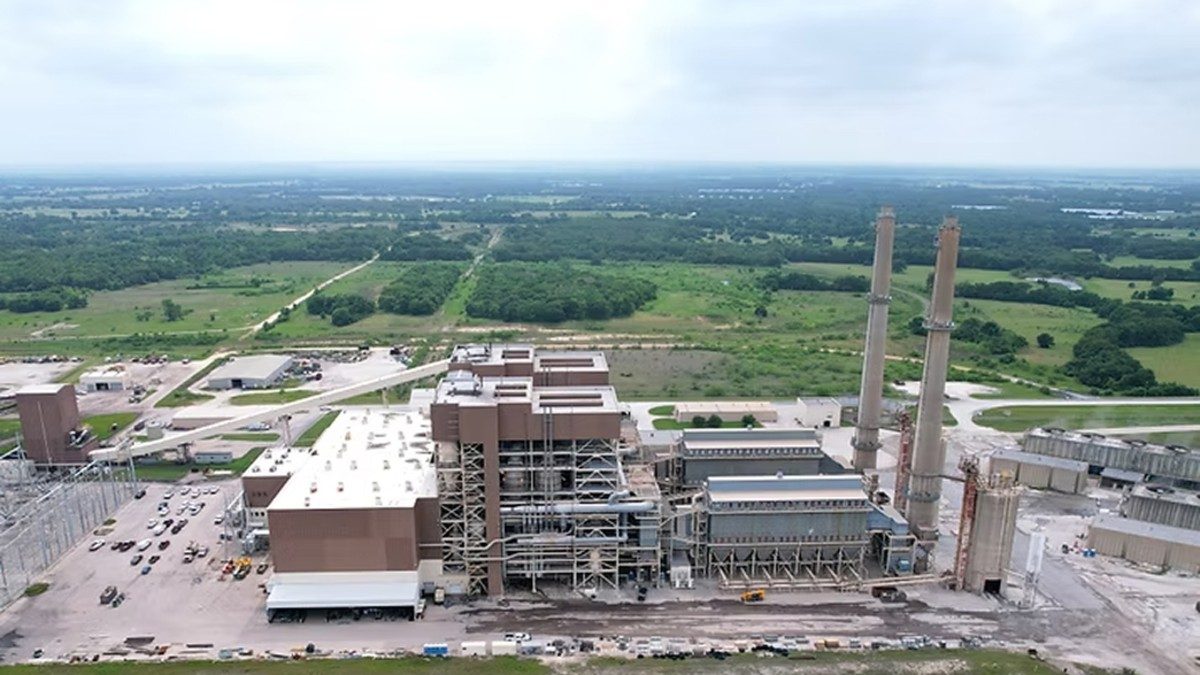
Texas is pulling off one of the most unbelievable plot twists in modern energy history! Construction has officially kicked off on what is set to become one of North America’s biggest coal-site solar projects. But while green energy enthusiasts were getting ready to celebrate a monumental victory over fossil fuels, a bombshell reality has set in: the giant, smoke-spewing coal plant located right next door isn’t going anywhere anytime soon!
The Unbelievable Texas Energy Paradox: Clean Energy Meets Fossil Fuels
In what can only be described as a bizarre hybrid energy experiment, this massive solar farm is being constructed directly in the shadow of an active, heavy-polluting coal generator. Environmental advocates initially thought this high-profile development heralded the immediate death knell for legacy carbon emitters in the Lone Star State. However, energy insiders have revealed that the coal facility will continue humming along, burning dirty fuel right alongside thousands of brand-new, shimmering photovoltaic solar panels.
How could this happen? Why build a multi-million-dollar clean energy giant on the doorstep of a fossil fuel behemoth, only to keep both operational? The answer lies in a high-stakes battle between staggering power demands, electrical grid vulnerability, and clever industrial strategy.
Why the Smokestacks Aren’t Stopping: The Hidden Grid Crisis
The decision to keep the neighboring coal plant alive comes down to one brutal truth: Texas is utterly desperate for raw power. With exploding population growth, unprecedented heatwaves pushing air conditioners to their absolute limits, and an overwhelming surge in massive AI data centers moving into the state, the power grid managed by ERCOT is under constant stress.
While solar energy delivers unprecedented amounts of cheap power during blistering sunny afternoons, it faces an inescapable vulnerability: the sun eventually sets. Grid operators simply cannot afford to take massive baseload coal power offline without risking catastrophic statewide blackouts during peak evening demand hours. As a result, the coal plant remains an essential, albeit dirty, safety net for the energy-hungry state.
The Coal-to-Solar Strategy: Masterstroke or Massive Illusion?
Building massive solar arrays directly adjacent to operating or retired fossil fuel facilities isn’t just an eccentric choice—it is a brilliant workaround to a massive logistical nightmare. Securing permissions to connect new clean energy installations to the electrical grid can take over half a decade due to bureaucratic red tape and congested transmission capacity.
According to official grid data from the U.S. Energy Information Administration, existing thermal power plants already possess lucrative, high-capacity transmission infrastructure and direct interconnect access to the high-voltage electrical grid. By placing millions of solar panels on the land surrounding the active coal facility, developers can bypass years of grueling interconnection queues and hook straight into existing multi-megawatt power lines!
This dual-generation strategy allows power producers to maximize profits by selling clean, subsidized solar energy during peak daylight hours while firing up thermal generators when grid demand spikes at night. Critics argue that this setup allows legacy fossil fuel companies to greenwash their image while continuing to pump greenhouse gases into the atmosphere. On the other hand, proponents insist that piggybacking on coal infrastructure is the fastest, most economical way to supercharge renewable deployment in America.
One thing is undeniably clear: Texas is forging a strange new frontier in the global energy transition where dirty coal and clean sunshine are forced to live side by side in an uneasy alliance. Whether this controversial model becomes the ultimate blueprint for future green energy transitions or remains a chaotic compromise remains to be seen!