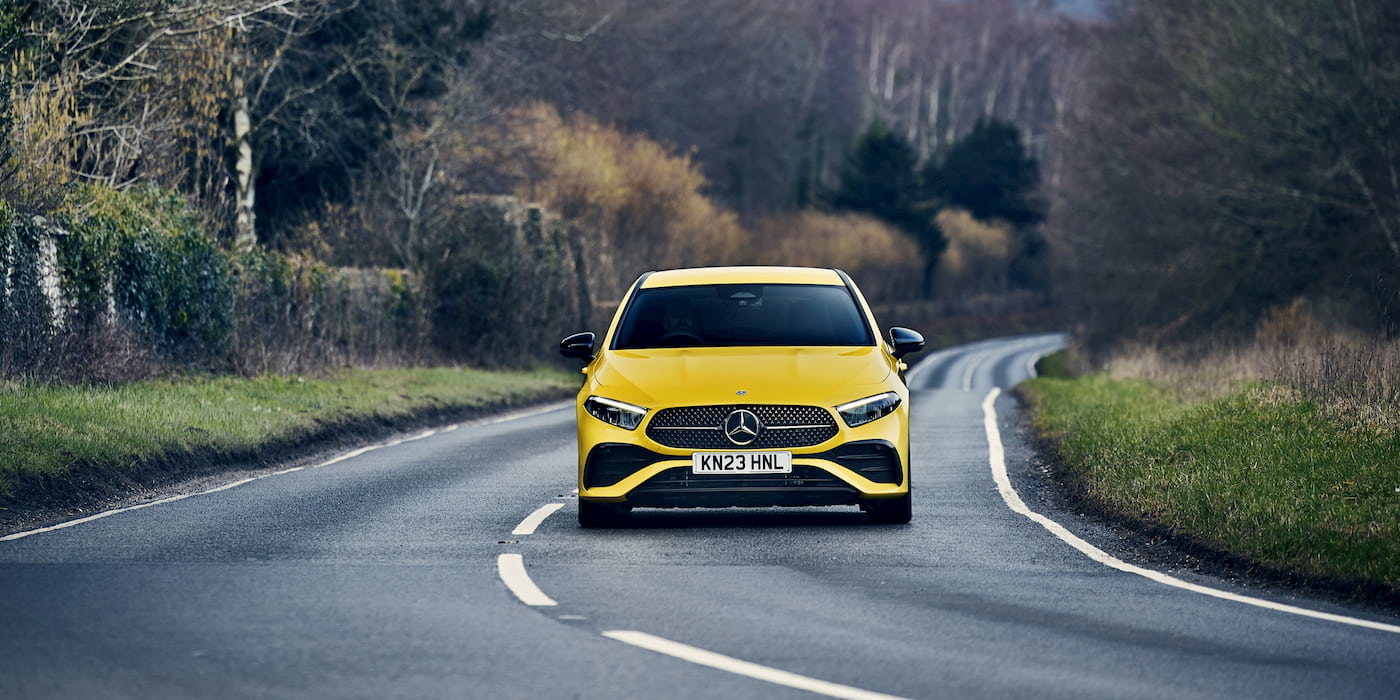
The automotive world is currently witnessing a seismic shift that few industry experts predicted would happen so rapidly. Mercedes-Benz, a brand that has spent over a century meticulously cultivating an image of exclusive, high-end luxury, is finally ready to reach down into the competitive ‘affordable’ segment. This isn’t just about making a cheaper car; it’s about a total strategic overhaul in an era where the electric vehicle (EV) landscape is being dominated by aggressive pricing strategies, rapid technological iterations, and new challengers from the East. For fans of the brand, this represents a massive opportunity to own a piece of German engineering for a fraction of the usual cost.
The Strategic Pivot: Why Mercedes is Chasing the Mass Market
For decades, the Mercedes-Benz business model was built on high margins, exclusivity, and a ‘best or nothing’ philosophy that often priced out the average consumer. However, as the world transitions to electric mobility, the barriers to entry have changed significantly. The rise of sophisticated EV platforms from competitors like Tesla and BYD has created a market gap that Mercedes can no longer afford to ignore if it wants to maintain its global sales volume. By launching an entry-level luxury EV, the Stuttgart-based automaker is attempting to capture a younger, more tech-savvy demographic that craves the prestige of the ‘Three-Pointed Star’ but requires a more accessible price point.
This move is a core part of the brand’s new ‘Entry Luxury’ strategy. This initiative aims to consolidate its wide-ranging portfolio while ensuring that even its most accessible models offer a premium experience that justifies the badge. Industry insiders suggest that this new model will likely serve as a spiritual successor to the current A-Class or CLA-Class, evolving them into a fully electric powerhouse. The goal is clear: provide a gateway into the Mercedes-Benz ecosystem, ensuring brand loyalty that lasts for decades. In a market where consumer loyalty is increasingly fickle, securing the customer early in their driving life is the ultimate win for legacy manufacturers.
Cutting-Edge Engineering: What to Expect Under the Hood
While official specifications are still heavily guarded secrets, the automotive industry is buzzing with rumors about the MMA (Mercedes Modular Architecture) platform. This platform is specifically designed to be ‘electric first,’ though it remains capable of accommodating highly efficient internal combustion engines to provide the flexibility needed during this global transition period. The focus for the affordable luxury EV will be on efficiency, aerodynamics, and rapid charging—three pillars that will define the next decade of motoring.
- Next-generation LFP (Lithium Iron Phosphate) and NMC (Nickel Manganese Cobalt) battery options for varied price points.
- Advanced 800-volt architecture allowing for ultra-fast charging capabilities that can add 200 miles in just 15 minutes.
- Fully integrated MB.OS software for a seamless, AI-driven cockpit experience and immersive infotainment.
- Sustainable interior materials, including recycled ocean plastics and lab-grown leather, that redefine modern luxury.
Furthermore, Mercedes-Benz is likely to integrate its proprietary MB.OS operating system. This is a crucial step in their strategy to compete directly with Silicon Valley giants. By controlling the entire software stack, Mercedes can offer continuous over-the-air updates, advanced semi-autonomous driving features, and a digital user experience that feels significantly more refined and ‘premium’ than what is currently found in standard budget-friendly EVs. This software-defined approach will allow the vehicle to improve over time, adding value long after the initial purchase.
The Competitive Battleground: Taking on Tesla and the Global Market
The timing of this announcement is no coincidence. With Audi and BMW also eyeing the entry-level premium market with renewed vigor, the race for dominance is reaching a boiling point. Mercedes-Benz is positioning itself as the more sophisticated, comfort-oriented alternative to Tesla’s minimalist and sometimes polarizing design language. While Tesla focuses on manufacturing efficiency and raw software performance, Mercedes is doubling down on ride quality, cabin acoustics, and that unmistakable ‘vault-like’ feel of high-tier German engineering.
However, the real threat to Mercedes’ dominance might come from the East. Brands like Nio, Xpeng, and BYD are already offering luxury-tier interiors, massive screen real estate, and impressive range at prices that are difficult for European manufacturers to match without significant changes to their supply chains. Mercedes will need to leverage its massive global service network and storied historical reputation to maintain an edge in this new world. This new entry-level EV is more than just a car; it’s a statement that the old guard is ready to fight for its place in the electric future. If they can deliver a vehicle that starts under the $50,000 mark without stripping away the soul and quality of the brand, they may just find themselves leading the luxury pack once again for the next generation of drivers.