The Solid-State Battery Scandal That Could Rock the EV World
The electric vehicle industry has been waiting for a savior, a holy grail of energy storage that promises to end range anxiety and charging woes forever. Donut Lab, a name that has become synonymous with bold promises and disruptive technology, claimed to have found it. Their solid-state battery technology was supposed to be the breakthrough that put every other manufacturer to shame. However, as the clock ticks down to their self-imposed production deadline, the facade is starting to show significant cracks. The hype surrounding solid-state tech is at an all-time high, but the reality might be far more grounded and disappointing than the marketing suggests.
Donut Lab recently released a series of five independent test reports conducted by Finland’s prestigious VTT Technical Research Centre. On the surface, the release of five separate documents might seem like a transparent move to build trust with investors and consumers alike. But for those who know where to look, the omissions are more deafening than the data itself. Despite the volume of documentation provided, not a single page addresses the two most critical claims that Donut Lab built its reputation on: a staggering 400 Wh/kg energy density and an unheard-of 100,000-cycle life. Without these two metrics, the battery is just another iterative step rather than a revolutionary jump.
Analyzing the VTT Reports: Smoke and Mirrors?
The VTT Technical Research Centre is a respected institution, and their participation usually lends an air of unimpeachable authority to any technical claim. However, the reports released thus far seem to dance around the core metrics. While the latest report, dated March 13, adds another cycling test data point, it fails to reach the heights promised in the glossy marketing materials distributed last year. Why would a company withhold proof of its most revolutionary achievements if the data actually supported them? This is the question that short-sellers and enthusiasts are both asking as the stock price remains volatile.
- Lack of specific energy density measurements at the cell level.
- Insufficient long-term cycling data to support the 100,000-cycle claim.
- Questions regarding the scalability of the current test prototypes.
- Ambiguity regarding the thermal stability under high-load performance.
In the world of high-stakes technology, the absence of evidence is often interpreted as evidence of absence. If Donut Lab had truly achieved 400 Wh/kg—a figure that would outperform current lithium-ion technology by nearly 50%—they would be shouting it from the rooftops with verified certificates. Instead, the industry is left with vague reports that focus on secondary performance indicators, leaving the most important questions unanswered and the skeptics fueled with fresh ammunition.
The Verge Motorcycles Deadline: 8 Days to Disaster?
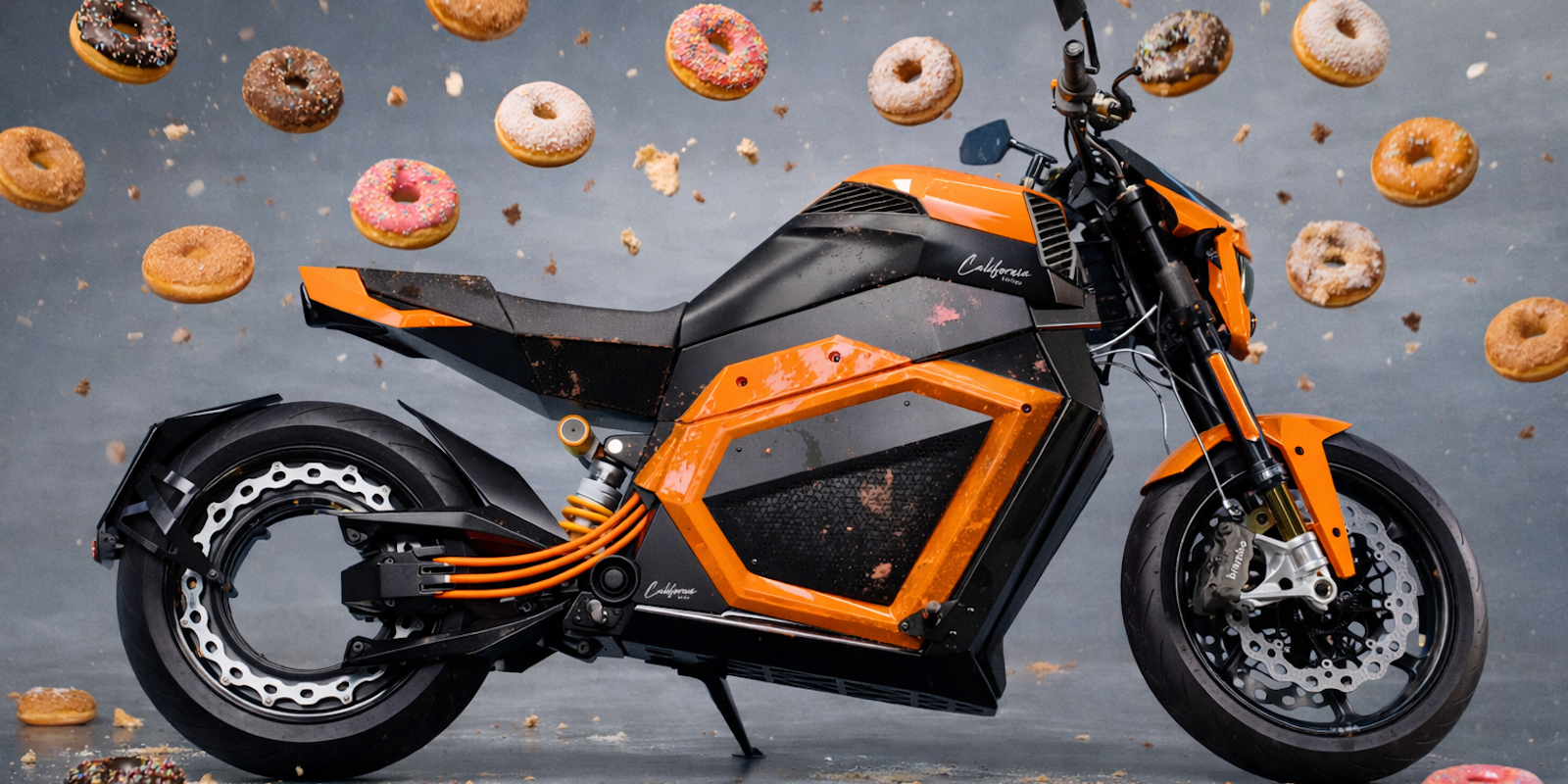
The timing of these reports could not be more critical. Donut Lab set a firm Q1 2026 deadline for delivering production-ready batteries to be installed inside Verge Motorcycles. As of today, that deadline is exactly eight days away. The partnership with Verge was meant to be the first real-world application of this ‘magic’ battery, powering a motorcycle that promised performance figures previously thought impossible. If the bikes roll out with standard batteries, the brand damage will be irreversible.
For Verge Motorcycles, the stakes are equally high. They have pinned their brand’s future on Donut Lab’s tech. If the batteries fail to materialize, or if they arrive with specifications that fall short of the hype, the fallout could be catastrophic for both companies. The EV market is notoriously unforgiving of missed deadlines and ‘vaporware’ promises. You can read more about the ongoing investigation into Donut Lab testing protocols here. The pressure is mounting as analysts begin to downgrade the long-term outlook for this partnership.
As we approach the end of March, the pressure is mounting. The solid-state battery has long been the ‘ten years away’ technology. Donut Lab claimed they had brought that future into the present. If they cannot provide proof of their 400 Wh/kg and 100,000-cycle claims within the next week, the industry may view this as one of the most elaborate hype-cycles in automotive history. Investors, enthusiasts, and competitors are all watching the same clock, waiting to see if Donut Lab will deliver a revolution or just more excuses about why the data isn’t ready yet.
The implications of a failed solid-state promise extend beyond just two companies. It affects investor confidence in the entire green energy sector. While we hope for a miracle in the next eight days, the current lack of transparency is a massive red flag that no amount of PR spin can cover up. Is Donut Lab the next Tesla, or the next Theranos of the battery world? The answer is coming, and it’s coming very soon. The world is watching to see if the solid-state dream is finally coming true or if it’s just another mirage in the desert of innovation.