In a shocking turn of events that has sent shockwaves through the global automotive industry, Japanese automotive giant Honda has officially waved the white flag in its aggressive electric vehicle transition. After embarking on an ambitious multi-billion dollar quest to dominate the electric vehicle market, the automaker has been forced to make a humiliating retreat. This sudden strategic pivot comes on the heels of an eye-watering $9 billion financial disaster, marking the single biggest financial loss in the prestigious company’s long history.
The $9 Billion Nightmare: How Honda’s Electric Dream Crumpled
For years, legacy automakers have been under immense pressure to phase out internal combustion engines in favor of fully electric powertrains. Honda jumped into the fray with massive investments, hoping to challenge dominant players in the EV landscape. However, the market had other plans. Consumer demand for fully electric vehicles has cooled significantly, leaving manufacturers holding inventory they cannot sell. For Honda, this resulted in a catastrophic write-down, culminating in a devastating $9 billion loss that has shaken boardrooms from Tokyo to Detroit.
The financial bloodbath highlights a growing disconnect between ambitious government mandates and actual consumer purchasing behavior. While early adopters quickly scooped up premium electric models, the mass market has remained highly skeptical. High initial costs, charging anxiety, and fluctuating battery raw material prices have made consumers hesitant to ditch gasoline-powered vehicles entirely. Honda’s aggressive push into this volatile market at the wrong time proved to be a multi-billion dollar miscalculation.
The Fatal Bet That Cost Billions
Industry insiders are calling this the most expensive mistake in modern automotive history. Honda’s decision to commit such a massive portion of its capital expenditures to all-electric platforms stripped resources from areas that were actively generating revenue. By forcing a rapid transition rather than a phased approach, the company left itself incredibly vulnerable to shifts in global demand. This massive gamble failed to pay off, forcing executive leadership to face angry shareholders and explain how a brand synonymous with reliability and smart engineering could stumble so spectacularly.
Moreover, competition in the electric vehicle space has become cutthroat. With aggressive pricing wars initiated by Chinese automakers and established market leaders slashing profit margins, Honda found itself squeezed out. The massive capital required to scale EV battery manufacturing plants and secure supply chains simply did not yield the expected sales volume, resulting in an unprecedented financial write-down that will affect the company’s balance sheet for a generation.
The Emergency Pivot: Return of the Hybrids
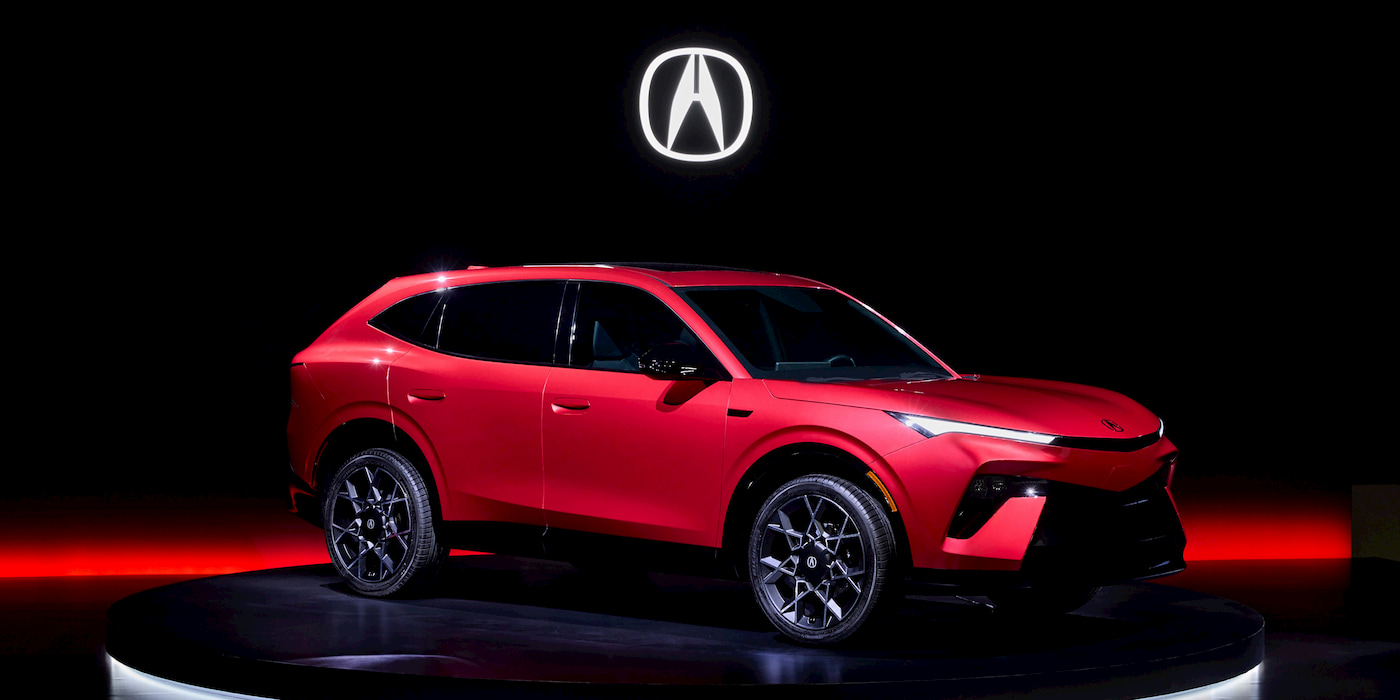
Faced with absolute financial ruin, Honda’s leadership has quickly drafted a survival plan. The company has officially announced an emergency pivot back to its roots: hybrid technology. In a bid to win back practical-minded consumers and salvage its bottom line, Honda has previewed two brand-new hybrid vehicles scheduled to launch by 2028. These vehicles represent a pragmatic compromise, offering the fuel efficiency consumers crave without the high costs and infrastructure headaches associated with full battery EVs.
This dramatic reversal is a clear admission that the global market is simply not ready for an all-electric future. By doubling down on hybrids, Honda is aligning itself with competitors like Toyota, who have long championed a more balanced, multi-pathway approach to reducing emissions. Hybrids are currently experiencing a massive resurgence in popularity, as they provide the perfect bridge for drivers who want lower emissions without sacrificing the convenience of gasoline refueling. For Honda, these two upcoming 2028 hybrid models are not just new products; they are a desperate lifeline to rebuild their shattered profitability.
As the automotive landscape continues to shift rapidly, Honda’s hard-learned lesson serves as a stark warning to the entire industry. Blindly chasing the EV hype cycle without a realistic, consumer-centric strategy can lead to catastrophic consequences. Whether Honda’s new hybrid-first strategy can successfully dig them out of this $9 billion hole remains to be seen, but one thing is certain: the electric vehicle revolution has just hit its most significant speed bump yet.