The global electric vehicle landscape is about to undergo a seismic shift that could change the way we think about affordable transportation forever. In a shocking new proposal that has sent shockwaves through the automotive industry, China’s top auto trade group is calling for a massive, state-sanctioned revolution. They want to flood the market with ultra-budget, super-compact electric vehicles. The inspiration behind this wild plan? Japan’s incredibly successful, cult-favorite ‘Kei car’ ecosystem. This secret weapon could revitalize struggling domestic sales and unleash a wave of cheap EVs the likes of which the world has never seen.
The Secret Weapon: How China Plans to Flood the Streets with Dirt-Cheap EVs
For years, automotive giants have focused on building massive, high-tech electric SUVs and luxury sedans with price tags that alienate the average consumer. But as global EV demand faces a sudden cool-down, Chinese industry leaders have realized that the real goldmine lies at the opposite end of the spectrum. The China Passenger Car Association (CPCA) is officially pushing for the creation of a brand-new, standardized budget electric vehicle category. This ambitious initiative is specifically designed to target untapped demographics, including elderly buyers and millions of residents in rural markets who have been priced out of the modern EV transition.
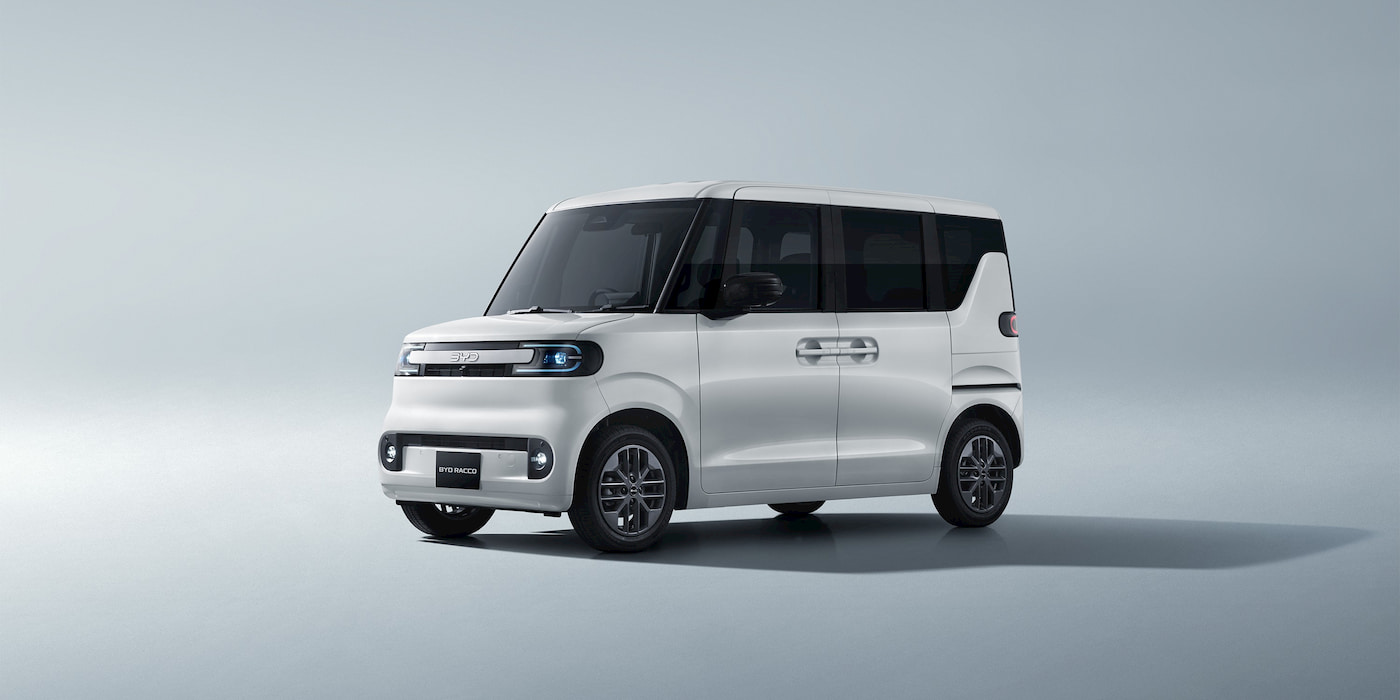
By mimicking the iconic Japanese model, China hopes to streamline production, slash retail prices, and establish a highly regulated, ultra-affordable class of micro-EVs. This move could completely rewrite the rules of the road, offering a cheap, safe, and legal alternative to the millions of citizens who desperately need basic mobility.
Borrowing Japan’s Best-Kept Automotive Secret
To understand why this proposal is such a massive deal, we have to look across the sea to Japan. For decades, the country’s unique ‘Kei car’ (or Keijidosha) category has dominated the local market. These pint-sized, boxy vehicles are strictly limited in terms of physical size, engine displacement, and speed. In exchange for meeting these tight regulations, owners enjoy massive tax breaks, cheaper insurance, and exemptions from the strict parking permit laws that plague larger vehicle owners. They are a masterclass in spatial efficiency and economic practicality.
According to reports from Electrek, China wants to build its very own electric Kei car industry from scratch. By standardizing this new class of micro-EVs, the government can encourage major manufacturers like BYD and Wuling to churn out highly optimized, safe, and incredibly cheap commuters. Imagine a brand-new electric vehicle, packed with basic modern safety features, retailing for a fraction of the cost of a traditional sedan. It is a formula that could easily ignite a fresh wave of consumer frenzy and send sales figures soaring into the stratosphere.
Taming the Wild West of Unregulated Rural Vehicles
But this plan is not just about boosting corporate profits; it is also a critical mission to clean up a dangerous, unregulated black market. For years, rural areas and smaller towns across China have been overrun by low-speed electric vehicles (LSEVs). Often referred to as ‘grandpa cars,’ these unregulated vehicles run on cheap lead-acid batteries, completely lack safety features like airbags or crumple zones, and are frequently driven by unlicensed operators. They have created a massive headache for traffic police and local authorities.
By introducing a standardized electric Kei car category, China can achieve several goals at once:
- Replace hazardous, unregulated ‘grandpa cars’ with safe, crash-tested alternatives.
- Force manufacturers to adopt advanced lithium-ion or sodium-ion battery standards.
- Provide a legal framework that allows elderly and rural drivers to register and insure their vehicles.
- Create millions of new EV owners, pushing China even closer to its aggressive carbon neutrality goals.
If this proposal is successfully codified into national law, it will mark the beginning of a spectacular new era. The world has spent years waiting for the ‘affordable EV’ to arrive. As it turns out, the solution might not be a stripped-down Tesla, but rather a tiny, hyper-efficient electric micro-car designed for the masses. The big question now is whether western markets will eventually follow suit, or if they will remain locked out of the ultra-budget EV revolution due to strict import tariffs and sizing prejudices.