The automotive landscape is shifting at a speed that has left traditional car manufacturers gasping for air. In a stunning revelation that has sent shockwaves through Wall Street and global energy markets, electric vehicle (EV) sales have smashed through previous records to reach an unprecedented milestone. According to the latest explosive data compiled by industry analysts, global consumers are abandoning internal combustion engines faster than anyone predicted. The era of gasoline dominance is not just ending—it is collapsing in real-time before our eyes.
According to a groundbreaking report from Benchmark Mineral Intelligence, global EV sales reached a staggering 1.8 million units in May 2026 alone. This jaw-dropping figure represents more than just a monthly spike; it is a testament to an irreversible global shift. To put this into perspective, this single-month surge brings the total sales for the first five months of 2026 to an eye-watering 7.5 million vehicles. We are witnessing an exponential growth curve that threatens to leave legacy automakers who hesitated to transition completely stranded in the dust.
The Unstoppable Momentum of Clean Energy
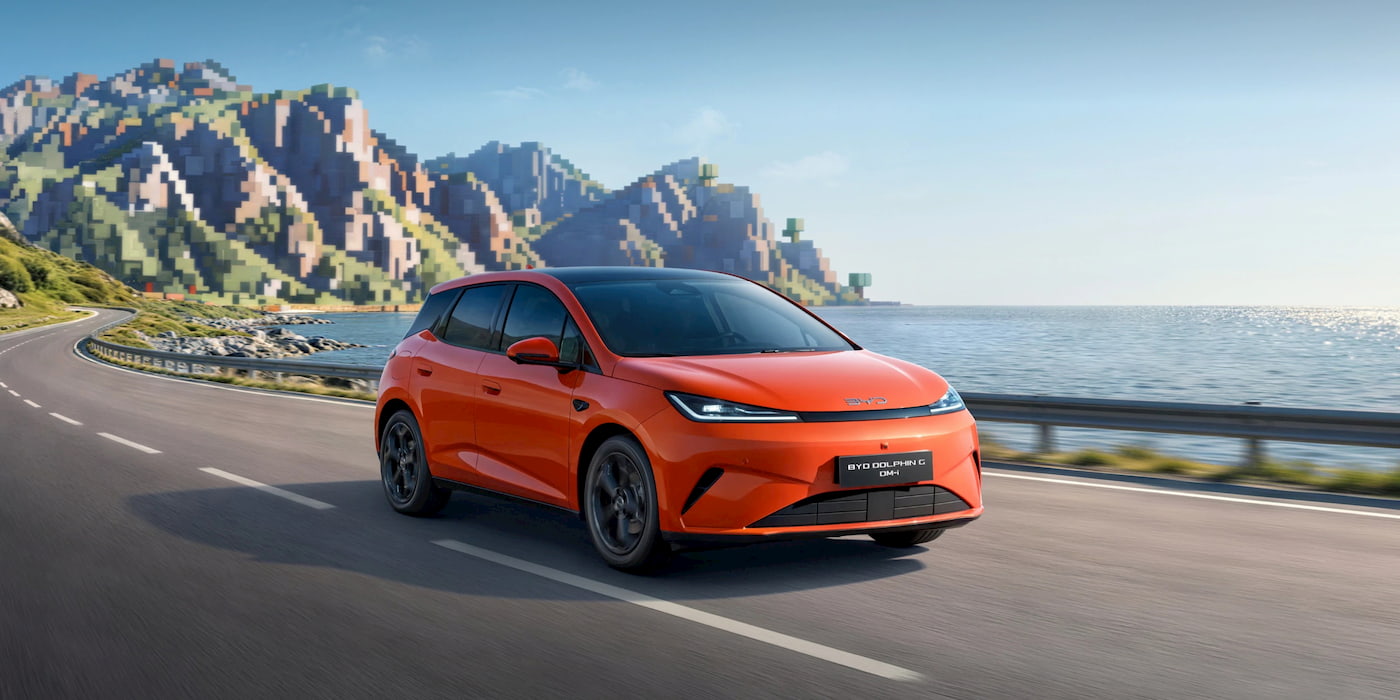
What is driving this sudden, massive acceleration? Industry insiders point to a perfect storm of rapidly falling battery costs, aggressive government subsidies, and a massive wave of highly competitive new models entering the market. Vehicles like the BYD Dolphin G, pictured above, are offering consumers premium electric range and cutting-edge technology at price points that actively undercut comparable gasoline models. The economic argument against buying an EV has officially evaporated.
For years, critics argued that electric vehicles would remain a niche market for wealthy early adopters. The May 2026 data completely dismantles this narrative. With 1.8 million units sold in a single month, electric mobility has officially entered the mass adoption phase. From Beijing to Berlin, consumers are recognizing that electric cars are not just better for the environment—they are simply superior consumer products with lower maintenance costs, instant torque, and superior technology suites.
Legacy Giants Facing an Existential Crisis
This paradigm shift is creating a harsh new reality for traditional automotive giants. Companies that spent decades perfecting the internal combustion engine are now finding themselves saddled with billions of dollars in stranded assets. The factory lines that once churned out millions of gas-powered sedans and SUVs are becoming liabilities. To survive, these legacy brands are being forced to undertake massively expensive retooling efforts, but many are moving far too slowly to catch up with agile pure-play EV giants.
The massive volume of 7.5 million EVs sold in just five months indicates that market share is being aggressively reorganized. New players, particularly from the Chinese market, are expanding globally with terrifying efficiency. They have secured their supply chains, perfected their battery chemistry, and scaled production to levels that allow for massive profit margins even at lower retail prices. The window of opportunity for traditional Western automakers to defend their turf is closing rapidly.
The Massive Strain on the Battery Supply Chain
However, this unprecedented surge in demand is not without its challenges. The primary bottleneck for the continued explosion of the EV market is no longer consumer appetite—it is raw material availability. To sustain a run-rate of nearly 2 million vehicles per month, the global supply chain must mine, refine, and transport astronomical quantities of lithium, nickel, cobalt, and synthetic graphite.
Industry experts warn that the supply chain is stretched to its absolute limit. If mining infrastructure cannot scale at the same breakneck pace as automotive manufacturing, we could see severe supply crunches by the end of the year. This makes the role of data aggregators like Benchmark Mineral Intelligence more critical than ever, as they track the delicate balance between raw mineral extraction and gigafactory throughput.
Here are the key takeaways from the latest 2026 market intelligence reports:
- Global sales achieved an unprecedented 1.8 million units in May 2026 alone.
- Year-to-date sales for the first five months have soared to a historic 7.5 million units.
- Affordable models from brands like BYD are driving massive adoption in emerging markets.
- Raw material supply chains remain the single greatest threat to sustained manufacturing growth.
Ultimately, the numbers do not lie. The global transition to electric mobility is no longer a future projection—it is an active, fast-moving reality. As we move into the second half of 2026, the question is no longer whether electric vehicles will dominate the global market, but rather which legacy automakers will survive the transition. The race is on, and the stakes have never been higher.