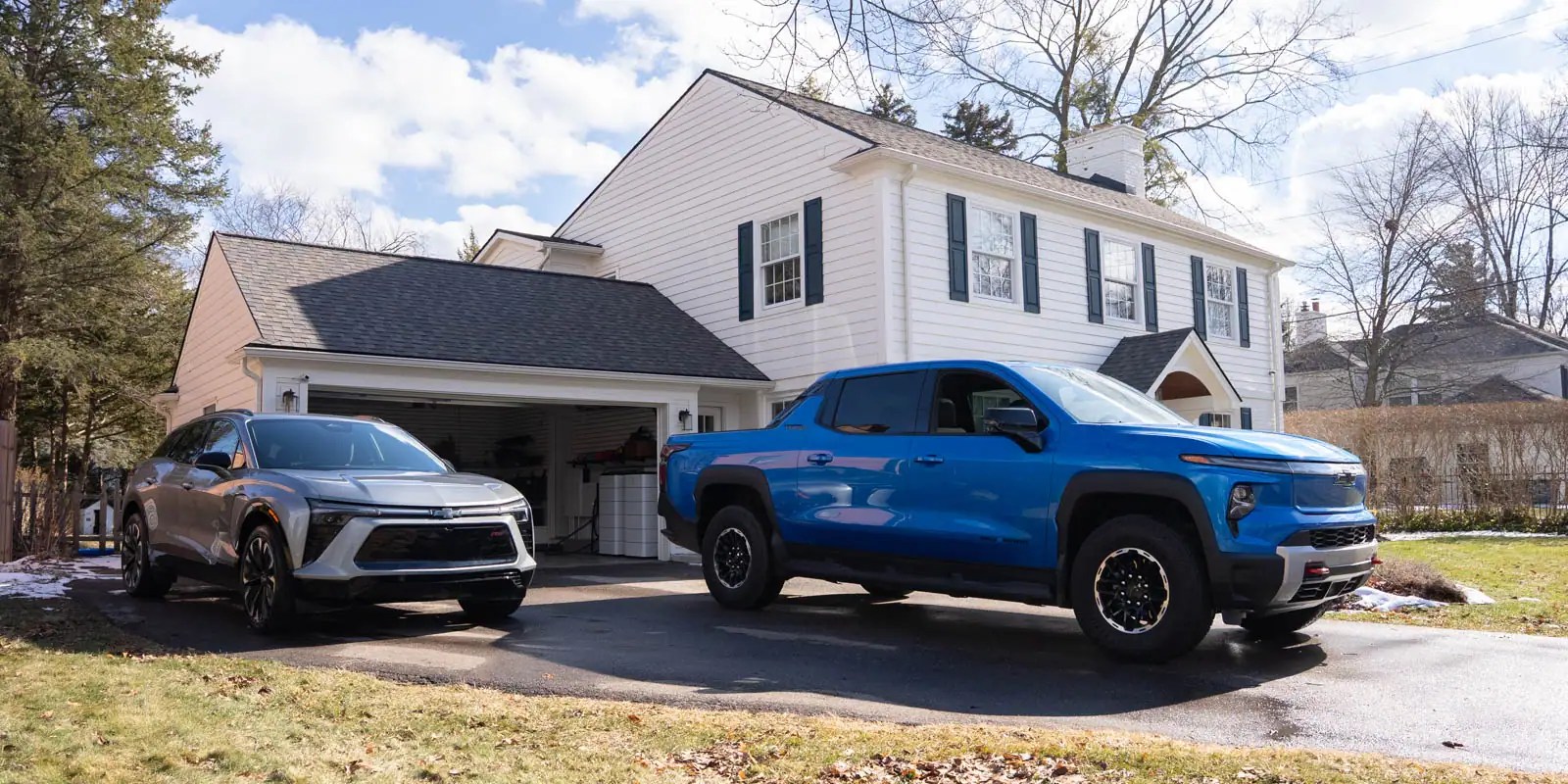
Imagine the scene: a ferocious storm rages outside, the wind howls, and suddenly—pitch black. The power grid has collapsed. As your neighbors scramble for candles and shiver in the dark, your house remains fully illuminated, warm, and safe. How? It is not an expensive diesel generator keeping your family safe. Instead, it is the electric vehicle parked in your driveway. This is not science fiction; it is the revolutionary reality of Vehicle-to-Home (V2H) technology. But before you plug in, there is a shocking catch you absolutely need to know.
For years, skeptics have claimed that electric cars are a drain on the energy grid. But what if the exact opposite is true? What if your EV is actually the ultimate survival tool for the modern age? The promise of using an EV to power your home has sparked a massive wave of excitement, yet the reality is shrouded in confusion. It is the ultimate ‘yes, but…’ scenario. If you want to survive the next big blackout and potentially slash your monthly utility bills to zero, you must understand how this game-changing tech works right now.
The Hidden Superpower Sitting in Your Driveway
The concept of utilizing an electric car as a giant mobile battery pack is known as bidirectional charging. Specifically, Vehicle-to-Home (V2H) technology allows energy to flow both ways: from the grid into your car, and from your car back into your house. The average EV battery holds enough electricity to power an average American household for several days, if not over a week. Imagine never having to worry about a failing power grid again.
However, the mainstream media rarely talks about the massive hurdles involved. You cannot simply plug a standard extension cord from your car into a wall outlet and expect your refrigerator to run. It requires specialized, expensive hardware, a compatible home integration system, and most importantly, a vehicle that actually supports this advanced feature. Many unsuspecting buyers purchase brand new EVs assuming they all have this capability, only to face devastating disappointment when the power goes out.
The Shocking Truth About Vehicle-to-Home (V2H) Tech
The dark secret of the automotive industry is that not all electric vehicles are created equal. While some manufacturers are rushing to embrace the V2H revolution, others are actively locking consumers out of this life-saving feature. To make matters worse, setting up your home for V2H is not a simple DIY project. It requires professional installation of a bidirectional charger and a transfer switch, which can cost thousands of dollars.
But for those who make the investment, the rewards are absolutely mind-blowing. Not only can you survive prolonged grid failures, but you can also engage in ‘peak shaving.’ This means charging your EV during the night when electricity is cheap, and discharging it to power your home during the day when utility rates skyrocket. You are essentially stealing back control of your energy bills from greedy power companies!
Which Electric Vehicles Will Actually Keep the Lights On?
So, which vehicles are actually ready to save you from the next blackout catastrophe? The landscape is changing fast. Giants like General Motors are leading the charge with their GM Energy ecosystem, making V2H a core feature of their upcoming lineup. Ford made massive waves with the F-150 Lightning, which famously kept homes powered during severe winter storms.
Exciting updates have also shaken up the industry. For instance, according to recent automotive breakthroughs reported by Electrek, a spectacular new Volvo EX60 is arriving in the US with advanced bidirectional capabilities, alongside the highly anticipated return of the iconic Volkswagen ID.BUZZ! Meanwhile, other brands are still playing catch-up, leaving their customers literally in the dark. If you are planning to buy an EV specifically for emergency backup power, you must do your homework. Ensure the model you choose explicitly supports bidirectional V2H charging, and prepare your home infrastructure before disaster strikes. The future of home energy is parked in your garage—make sure you can actually use it!