The Tesla Smoke and Mirrors: Robotaxis to the Rescue?
In what has become a predictably cyclical dance for Wall Street analysts and EV enthusiasts alike, Tesla has once again reached into its bag of futuristic tricks. Every time the TSLA earnings call begins to look like a looming shadow of disappointment, Elon Musk pulls a rabbit out of the hat—and this time, that rabbit is a fleet of autonomous Robotaxis. It is a narrative that has played out time and again, leaving many to wonder if the vision of a driverless future is a genuine technological roadmap or simply a strategic distraction to keep the stock price from plummeting into the abyss during tough financial quarters.
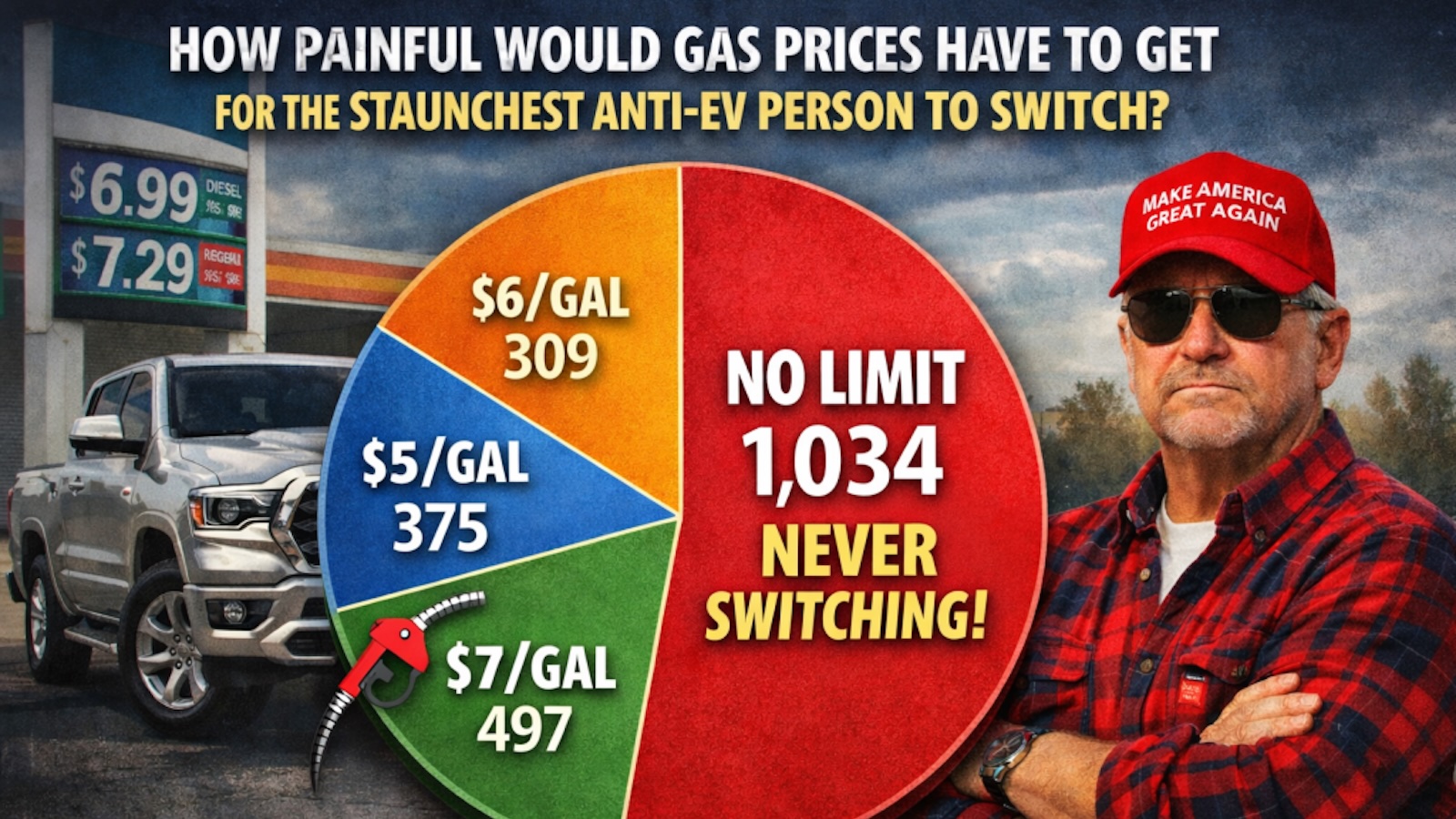
The latest episode of the ‘Quick Charge’ podcast pointed out the irony of this timing with sharp precision. Just as the hard numbers suggested a cooling of the once-red-hot EV market, the headlines shifted instantly to the promise of a global Robotaxi expansion. This sensationalist pivot serves a dual purpose: it mitigates the immediate sting of lackluster quarterly growth while reinforcing the mythos of Tesla as a ‘technology and AI company’ rather than a mere car manufacturer. But for the average consumer, the ‘pain at the pump’ remains a very real, very present issue that futuristic promises cannot solve today. While the world waits for cars to drive themselves, the reality of high interest rates and production hurdles continues to bite.
The Strategy of Sensationalism in the EV Market
Why does the market continue to fall for the same hype cycle? The answer lies in the intersection of viral marketing and the desperate hope for a sustainable, automated future. By announcing a Robotaxi expansion right before a potentially bruising earnings call, Tesla effectively changes the conversation from ‘How many Model 3s did you actually deliver?’ to ‘When will the world stop driving itself?’ This shift is essential for maintaining a high valuation in a world where legacy automakers are finally catching up with their own electric offerings. It is about selling the future when the present looks a bit too grim for comfort.
- Market Diversion: Shifting focus from margin compression to AI potential.
- Stock Stabilization: Preventing massive sell-offs during earnings season.
- Brand Loyalty: Keeping the ‘Elon Musk’ fan base energized with sci-fi visions.
- Future Speculation: Forcing analysts to value Tesla as a software service provider, not a manufacturer.
However, the technical hurdles for true Level 5 autonomy remain staggering and largely unproven on a mass scale. While competitors like Waymo have made steady, quiet progress in geofenced areas, Tesla’s approach relies on a global, un-fenced vision that critics argue is still years away from safety and regulatory approval. The sensationalism of the announcement often masks the reality of ‘Full Self-Driving’ (FSD) beta performance, which still requires active driver supervision despite the misleading nomenclature that fans love to share on social media.
Expansion into Heavy-Duty EVs and the Industrial Future
Beyond the passenger car market, Tesla is also looking to dominate the heavy-duty sector. The move into electric heavy machinery and long-haul trucking is not just an environmental necessity but a financial one. As the passenger car market reaches saturation, the industrial sector represents the next great frontier for electrification. This expansion is designed to prove that Tesla’s battery technology is scalable across all forms of transport, from the smallest commuter vehicle to the massive haulers that power global logistics. This is the ‘meat’ behind the ‘sizzle’ of the Robotaxi news, even if it gets fewer clicks.
As noted by Electrek’s latest coverage, the push into heavy-duty EVs coincides with an increasing pressure on the global supply chain to decarbonize. The ‘pain at the pump’ experienced by traditional logistics companies—where fuel costs can make or break a business—creates a massive opening for Tesla’s Semi and other industrial-grade electric solutions. If Tesla can deliver on these promises, the Robotaxi might just be the tip of the iceberg in a total overhaul of how goods and people move across the planet. Yet, the question remains: can the production capacity meet the towering expectations set by the marketing department? For now, the Robotaxi remains the ultimate viral distraction.
Ultimately, the Robotaxi announcement is a masterclass in PR management. It leverages the public’s fascination with the future to distract from the gritty, difficult realities of manufacturing at scale in a volatile economy. Whether you view Musk as a visionary genius or a high-stakes showman, there is no denying that his ability to control the narrative is unparalleled in the corporate world. As we look toward the next earnings cycle, we can only guess what the next grand vision will be—perhaps a Martian delivery fleet if the heavy-duty numbers fall short again.