The financial world is holding its breath as the clock ticks toward April 22. Tesla (TSLA) is scheduled to release its first-quarter 2026 financial results after the market close, and the stakes have never been higher for Elon Musk. While the eccentric CEO continues to hammer home the narrative that Tesla has transcended its automotive roots to become a premier AI and robotics powerhouse, the cold, hard data suggests a much more grounded reality. Investors are asking: Is the AI promise a revolutionary breakthrough or a clever distraction from a cooling car market?
The Great Tesla Identity Crisis: AI Giant or Car Maker?
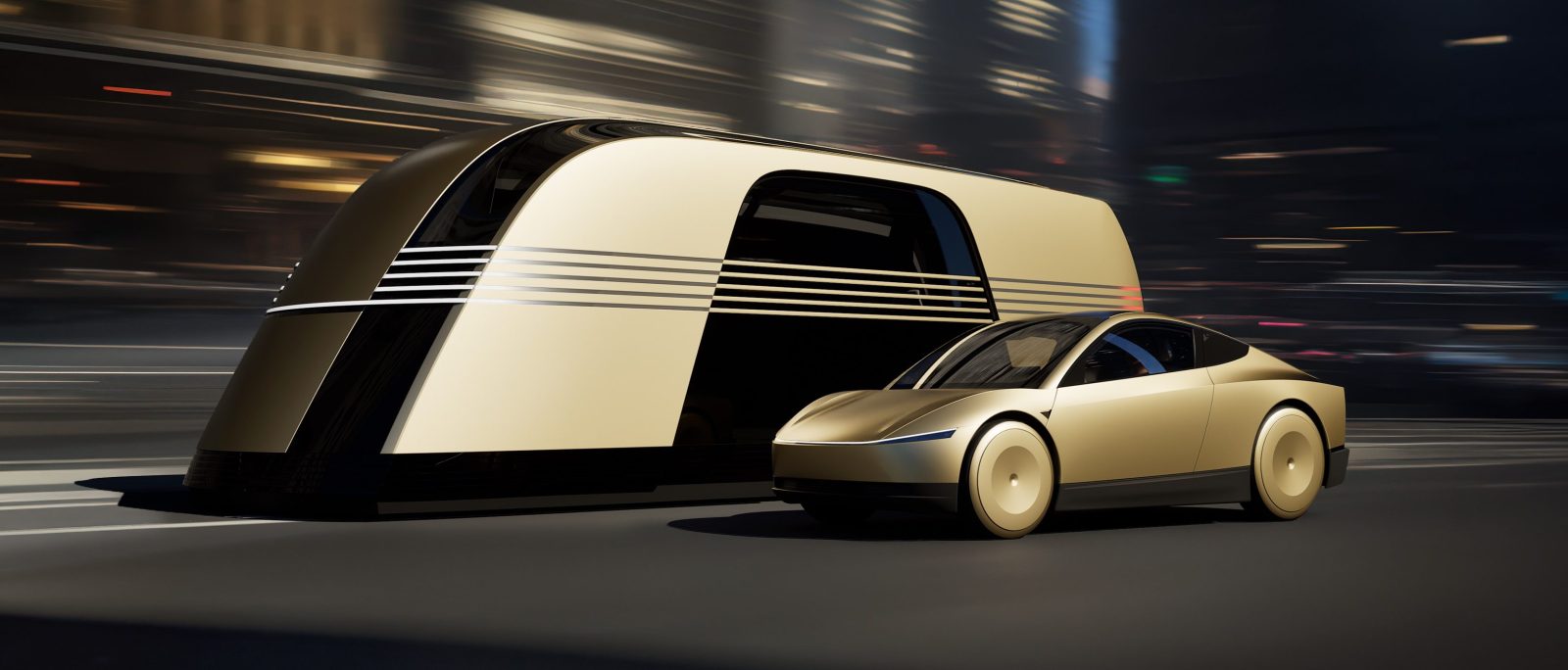
For the better part of the last two years, Tesla’s marketing machine has been firing on all cylinders to redefine the company. The shift in focus toward projects like the Robovan and the Optimus humanoid robot is intended to justify Tesla’s astronomical valuation, which far exceeds that of traditional legacy automakers. However, as we approach the Q1 2026 earnings call, the fundamental truth remains: the automotive business still drives the vast majority of Tesla’s financial performance. Wall Street analysts are growing increasingly restless, demanding to see how these futuristic projects will translate into immediate revenue streams.
The tension between the visionary ‘AI’ narrative and the manufacturing reality is palpable. While retail investors often buy into the dream of a world populated by autonomous Teslas, institutional investors are looking at vehicle delivery numbers, gross margins, and inventory turnover. If the Q1 numbers show a continued stagnation in the EV sector, no amount of robotics hype may be enough to save the stock from a significant correction. Many fear that the ‘AI’ label is simply a shield used to deflect from the intensifying global competition from Chinese manufacturers like BYD and the resurgence of hybrid vehicles.
Wall Street’s Brutal Forecast: What the Experts Expect
Market analysts have been refining their models for weeks, and the consensus is far from unanimous. While some remain bullish on Tesla’s software-as-a-service (SaaS) potential via Full Self-Driving (FSD) subscriptions, others are bracing for a massive shock. The primary metrics to watch during tomorrow’s report include:
- Total Automotive Revenue: Will it continue to stagnate as market saturation hits?
- Operating Margins: Can Tesla maintain its lead, or are price wars eroding its profitability?
- Energy Storage Growth: Is the Megapack business large enough to offset car sales slumps?
- FSD Take Rate: Are customers actually paying for the AI dream?
The discrepancy between what retail investors believe and what the institutional ‘smart money’ is doing has created a volatile environment. A miss in any of these key areas could send Tesla stock into a tailspin, regardless of how many times the word ‘robotics’ is mentioned during the conference call.
The Robotics Gambit: Is It a Distraction?
The introduction of the Robovan was supposed to be the ‘iPhone moment’ for the transportation industry. Yet, months after its unveiling, many are questioning the timeline for mass production and regulatory approval. In the Q1 2026 report, investors will be searching for specific milestones rather than vague promises. The cost of R&D for these projects is enormous, and without a clear path to monetization, they represent a significant drain on Tesla’s cash reserves. If the automotive margins continue to compress, the funding for these ‘moonshot’ projects could come under fire.
Furthermore, the labor market is watching the Optimus project with a mix of awe and skepticism. While Musk envisions a future where robots handle all manual labor, the current reality involves high production costs and technical hurdles that are years, if not decades, away from being solved. This earnings call will be the ultimate test of Musk’s ability to sell the future while managing the messy, expensive present. Will shareholders continue to fund the vision, or will they demand a return to the basics of profitable manufacturing?
As we look toward the post-market results on April 22, one thing is certain: the narrative is shifting. Whether Tesla is an AI company or a car company is no longer a philosophical debate—it is a financial one that will determine the wealth of millions.