In a move that has sent shockwaves through the automotive and energy sectors, the Tesla Cybertruck has officially been transformed from a futuristic polygon on wheels into a literal gold mine for California homeowners. PG&E and Tesla have pulled back the curtain on a revolutionary partnership that allows Cybertruck owners to sell power back to the grid. This is not just a minor update; it is a seismic shift in how we perceive vehicle ownership and energy consumption in the modern age. For the first time, your truck can pay for its own existence while saving the state from the brink of energy collapse.
As California grapples with an increasingly fragile electrical infrastructure, the introduction of the Vehicle-to-Everything (V2X) residential pilot program represents a beacon of hope. The Cybertruck is now the first vehicle approved for this specific residential application through PG&E, marking a historic milestone for both companies. Tesla owners are no longer just consumers; they are now active participants in a decentralized power network that promises to stabilize the grid during peak demand hours.
The Financial Windfall: How You Get Paid $4,500
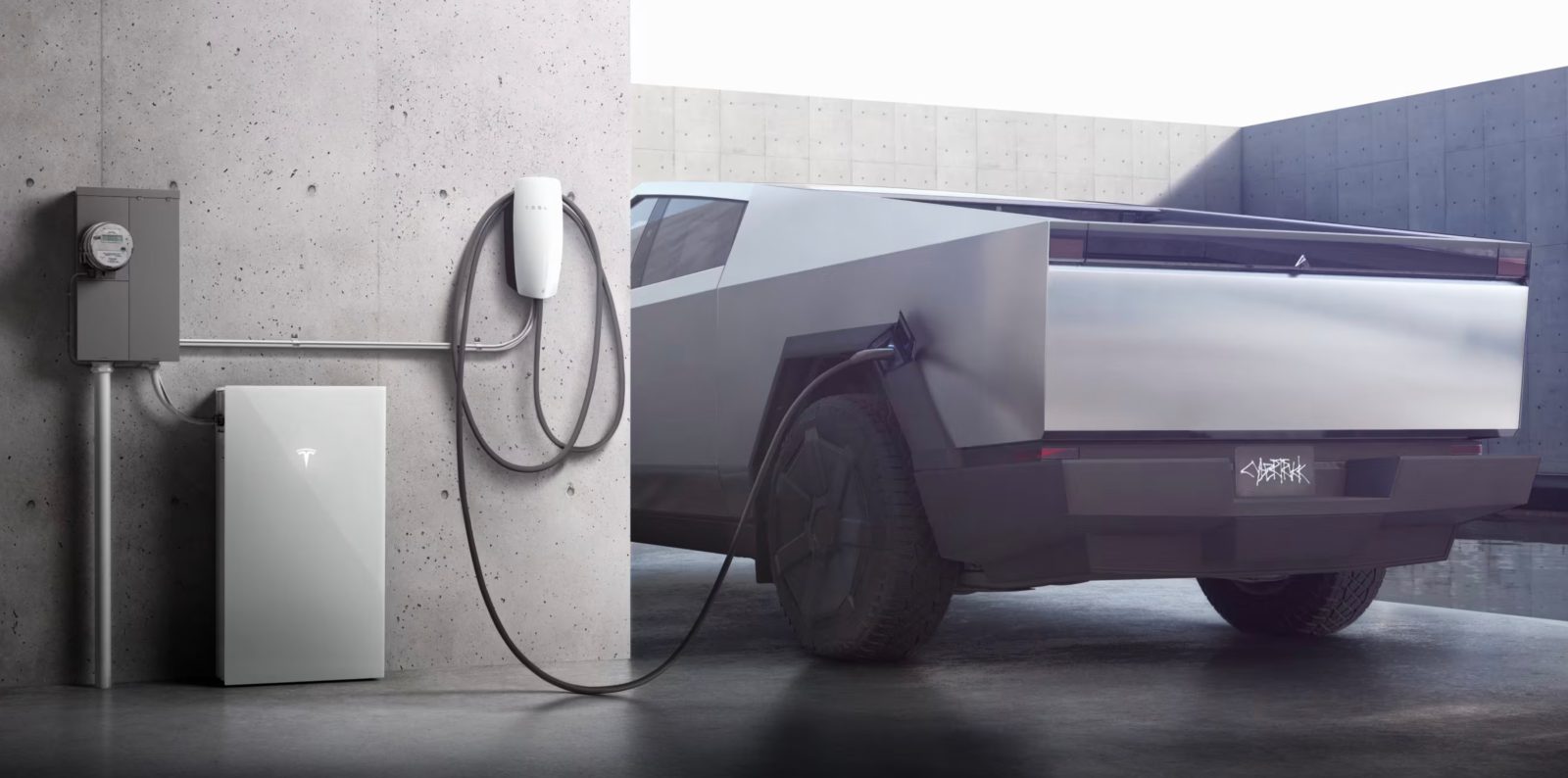
The headline-grabbing aspect of this announcement is the massive financial incentive package being offered to early adopters. Tesla and PG&E are offering up to $4,500 in incentives to cover the costs of equipment and installation. This massive subsidy is designed to lower the barrier to entry for the Powershare technology, which allows the Cybertruck to function as a massive backup battery for your home. By utilizing the bidirectional charging capabilities of the Cybertruck, owners can discharge energy back into the grid when demand is high, effectively turning their driveway into a miniature power station.
This incentive program is part of a broader push to encourage sustainable energy practices among California residents. The $4,500 can be applied toward the sophisticated hardware required to manage the flow of electricity between the vehicle and the home. For many, this could mean the entire installation process is essentially free, leaving the owner with a vehicle that generates passive income every time the grid needs a boost. It is a win-win scenario that has competitors like Ford and GM scrambling to keep up with Tesla’s aggressive market positioning.
The AC Revolution: Why Tesla Wins the Tech War
What makes this development truly notable is the technical implementation. Unlike the DC-based setups that companies like Ford and GM rely on for their V2G programs, Tesla has pioneered an AC-based system for residential use. This is the first time California has approved such a system, and the implications are massive. AC-based systems are technically simpler, more reliable, and significantly cheaper to install than their DC counterparts. By using the vehicle’s onboard inverter to handle the conversion from DC to AC, Tesla eliminates the need for expensive external hardware that can drive installation costs into the tens of thousands.
By simplifying the hardware chain, Tesla ensures that more users can participate in the program without the technical headaches associated with complex DC-to-DC charging infrastructure. This streamlined approach is exactly why the Tesla Powershare ecosystem is expected to dominate the market in the coming years. While other manufacturers are stuck in the mud with overpriced components, Tesla is moving at the speed of light to integrate its fleet into the very fabric of the American power grid.
How to Claim Your Piece of the California Power Pie
If you are a Cybertruck owner in California, the road to earning rewards is relatively straightforward, though you must act quickly before the pilot program reaches capacity. The PG&E V2X pilot is designed to test the resilience of the grid, and participation is limited to qualified residential customers. Here is what you need to know to get started:
- Verify your residency and ensure you are within the PG&E service area.
- Ensure your Cybertruck is equipped with the latest Powershare hardware and software updates.
- Apply through the official PG&E portal to receive your equipment subsidies.
- Connect your vehicle to the home interface and begin participating in scheduled grid support events.
The future of energy is here, and it is paved with stainless steel. As more Cybertrucks hit the road and connect to the grid, the collective power capacity could rival that of traditional power plants. This is the ultimate realization of Elon Musk’s vision for a sustainable energy future, where every home and every car is an integral part of a green, efficient, and profitable ecosystem. Don’t leave money on the table; make your Cybertruck work for you.