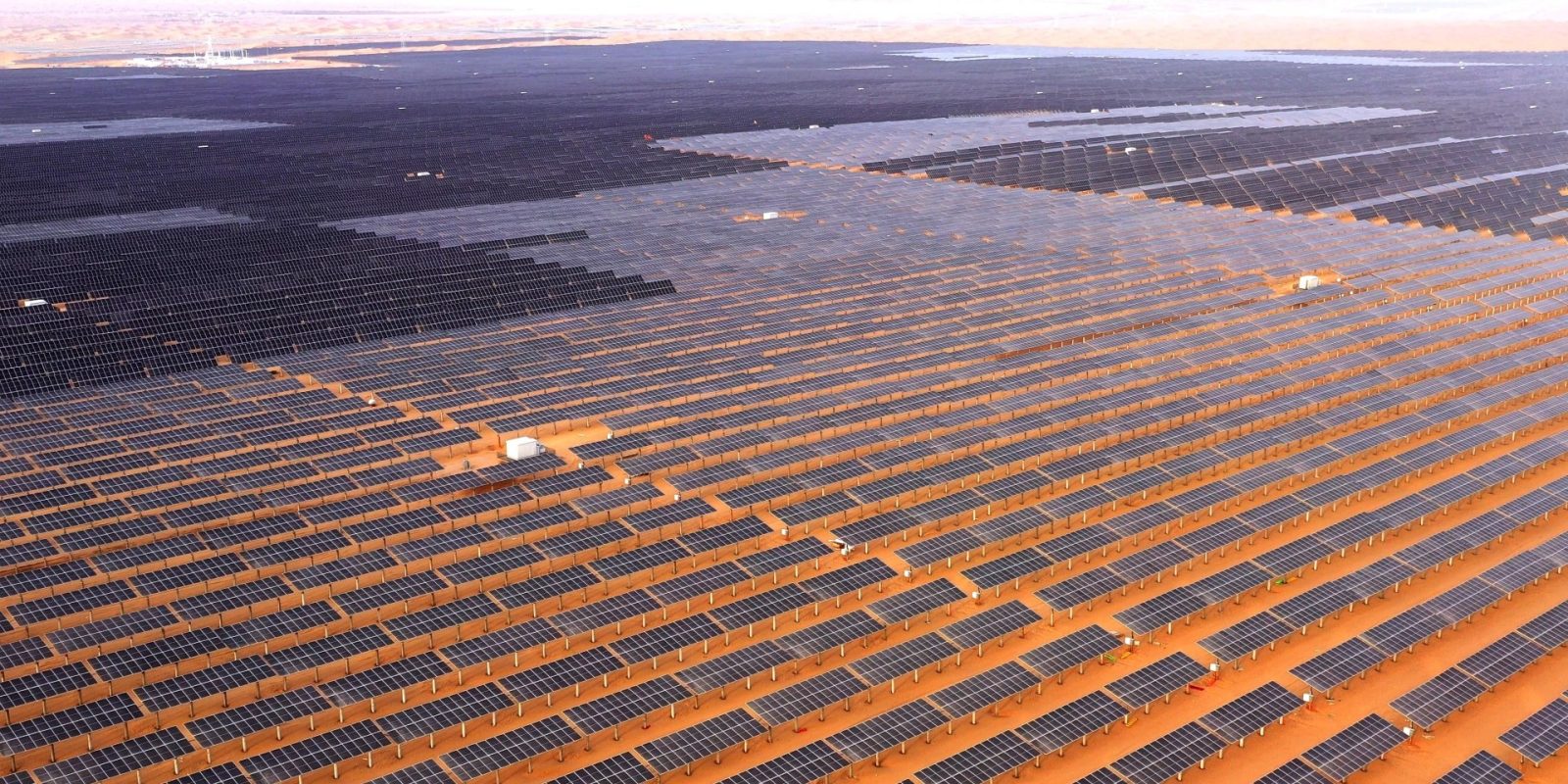
China is currently leading the global race toward a carbon-neutral future, blanketing its vast deserts with gleaming solar panels and towering wind turbines. However, a dark shadow is looming over this green revolution. As the first generation of renewable infrastructure reaches the end of its life cycle, the world’s second-largest economy is facing a waste crisis of unprecedented proportions. What happens when the ‘green’ technology starts to rot and the promises of a clean future turn into a toxic reality?
The Imminent Environmental Catastrophe Under the Gobi Sun
The scale of China’s renewable energy deployment is nothing short of staggering. For years, the international community has cheered as China smashed installation records. But now, experts are sounding the alarm on a ticking time bomb: millions of tons of decommissioned equipment. This isn’t just a minor logistical hurdle; it is a full-blown environmental nightmare that could negate the very carbon gains these technologies were designed to achieve. The sheer volume of waste is set to explode in the coming decade, leaving the government scrambling for solutions that do not yet exist at scale.
Recent reports suggest that by the 2030s, China will be decommissioning enough solar panels to cover the city of Paris several times over. Unlike traditional electronics, solar panels and wind turbine blades are notoriously difficult to recycle. The complex materials used in their construction—ranging from rare earth metals to toxic chemicals—require specialized facilities that currently do not exist at the capacity required to handle the incoming wave. If these materials end up in landfills, the resulting soil and water contamination could haunt the region for generations, creating an ecological disaster in the name of sustainability.
The Hidden Toxic Cost of Solar Panels
Photovoltaic (PV) panels are composed of silver, copper, silicon, and aluminum, but they also contain hazardous substances like lead and cadmium. When these panels break or degrade in the harsh environment of the Gobi Desert, these heavy metals can leach into the environment. The industry’s ‘dirty secret’ is that recycling these units is often more expensive than manufacturing new ones from raw materials. This economic reality has led to a massive backlog of waste that China is struggling to manage, leading to illegal dumping and improper handling in many provinces.
Furthermore, the recycling process itself can be carbon-intensive. To recover the silicon and glass, high-temperature furnaces are often required, which currently rely on the very power grid that the industry is trying to decarbonize. Without a breakthrough in circular economy logistics, the solar boom may leave behind a legacy of industrial decay. You can read more about sustainable energy trends here to see how other nations are attempting to pivot. The current trajectory for China, however, looks like a collision course with a mountain of silicon and glass that has nowhere to go.
Turbine Blades: The Un-Recyclable Giants
If solar panels are a chemical hazard, wind turbines are a physical one. Specifically, the blades—made from composite materials like fiberglass and carbon fiber—are designed to be incredibly durable, which makes them nearly impossible to break down naturally. Thousands of these giant blades are being retired annually as older wind farms are upgraded with more efficient models. In many parts of the world, these blades are simply buried in massive trenches, but China’s sheer volume of waste makes this an unsustainable solution for their limited land resources.
Efforts are being made to develop ‘circular’ blades that can be chemically dissolved and reused, but these technologies are years away from mass adoption. For now, the ‘green’ landscape of rural China is at risk of becoming a graveyard for the ghosts of turbines past. The government has recently announced new guidelines to encourage recycling, but many industry insiders fear it is too little, too late. The sheer velocity of the green boom has outpaced the development of the infrastructure needed to clean up after it. Without immediate intervention, the very tools used to save the planet may become its next major pollutant, leaving a legacy of fiberglass and steel that lasts for centuries.
In conclusion, China’s clean energy boom is at a crossroads. While the transition to renewables is essential for the global climate, the neglect of end-of-life management creates a massive credibility gap for the ‘green’ movement. The world is watching to see if China can innovate its way out of this waste mountain, or if the green dream will be buried under a pile of toxic glass and fiberglass. The stakes have never been higher for the future of the planet.