The End of an Era: Why VW is Killing the ID.4 Brand
In a move that has sent shockwaves through the global automotive industry, Volkswagen has officially confirmed a radical shift in its electric vehicle strategy. The ID.4, once hailed as the poster child for the company’s electric revolution, is being effectively rebranded. Taking its place is a name that resonates with millions of loyal drivers across the globe: the Tiguan. This is not merely a simple name change; it represents a fundamental pivot in how the world’s second-largest automaker approaches the massive transition to sustainable mobility. Industry insiders suggest that the ‘ID’ naming convention, while intended to feel futuristic, lacked the deep emotional connection required to convert long-time petrol enthusiasts to electric power. By reviving the Tiguan moniker for its flagship electric SUV, VW is admitting that heritage matters more than tech-jargon.
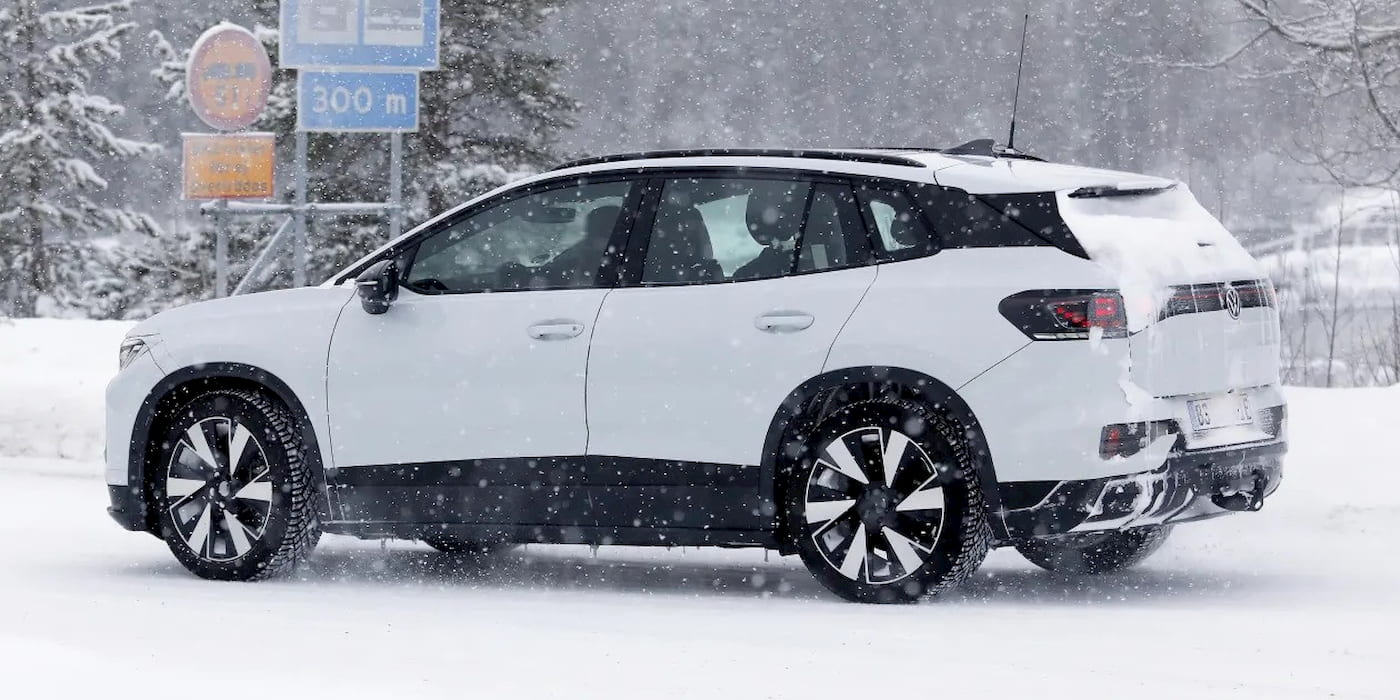
The Tiguan has long been the crown jewel of the Volkswagen SUV lineup, often ranking as one of the best-selling vehicles in the world. By introducing the new ID. Tiguan, Volkswagen is leveraging decades of hard-earned brand equity. The shift reflects a growing realization within the boardroom in Wolfsburg that consumers are no longer looking for ‘gadgets on wheels,’ but rather for the reliability, comfort, and familiarity of the vehicles they have trusted for generations. The upcoming model, which is expected to make its grand debut later this year, will serve as the critical bridge between the internal combustion past and the high-voltage future. For those who found the ID.4 a bit too clinical, the ID. Tiguan promises to bring back the soul of German engineering.
A Familiar Face in a New Electric World
One of the primary complaints regarding the current ID.4 was its somewhat anonymous and soft styling. While the design was highly aerodynamic, it lacked the rugged, ‘go-anywhere’ aesthetic that made the original gas-powered Tiguan a global phenomenon. The new ID. Tiguan promises to rectify this immediately. Leaked reports and early prototypes suggest a return to a more muscular form, with a significantly more upright stance, sharper body lines, and a front fascia that screams ‘Volkswagen’ rather than ‘generic electric startup.’ This move toward familiarity is a calculated risk aimed at capturing the massive segment of the market that remains skeptical of overly rounded, futuristic EV designs that look more like appliances than cars.
Underneath the skin, the ID. Tiguan is expected to feature significant hardware upgrades that go far beyond a new badge. Rumors from the production line point toward improved thermal management systems, significantly faster DC charging speeds, and a completely revamped interior interface. Volkswagen has reportedly listened to customer feedback and will move away from the much-criticized touch-sensitive sliders and towards more intuitive controls. By combining the best aspects of the current MEB electric platform with the ergonomics of the classic Tiguan, VW aims to create the ultimate family SUV that doesn’t require a steep learning curve for new owners.
The Strategy Behind the Name Change
Why is Volkswagen making this move now? The answer lies in the fierce competition currently boiling over from Chinese manufacturers and the continued market dominance of the Tesla Model Y. Volkswagen needs a heavy hitter, and the ‘ID’ moniker was arguably underperforming in key markets like North America and China. The ‘Tiguan’ brand is synonymous with versatility, safety, and quality. By slapping this name on an EV, VW is making a bold statement: electric cars are no longer a niche project or a side experiment; they are now the standard for their most popular and beloved models.
- Legacy Branding: Utilizing iconic names like Tiguan and Golf to rebuild consumer trust and loyalty.
- Improved Software: A core focus on resolving the digital glitches and laggy interfaces that hampered the initial ID.4 launch.
- Market Positioning: Directly competing with both luxury and mass-market electric SUVs with a highly recognizable badge.
- Design Overhaul: Moving away from the ‘egg-shaped’ EV aesthetic to a more traditional, aggressive SUV profile.
The implications of this move go far beyond just one model. If the ID. Tiguan is a success, we can expect to see other legacy names return to the electric fold in rapid succession. The ID. Golf is already a hot topic in Wolfsburg, and there are whispers that even the Passat could see a high-voltage revival in the near future. This marks a massive departure from the initial plan to keep electric and gas-powered cars in separate naming silos. Volkswagen is finally merging its rich history with its electric future, and the result could be the most important vehicle launch of the current decade. The automotive world is watching, and for the competition, the arrival of the electric Tiguan should be a major cause for concern. The king of SUVs is returning, and this time, it is powered by lightning.