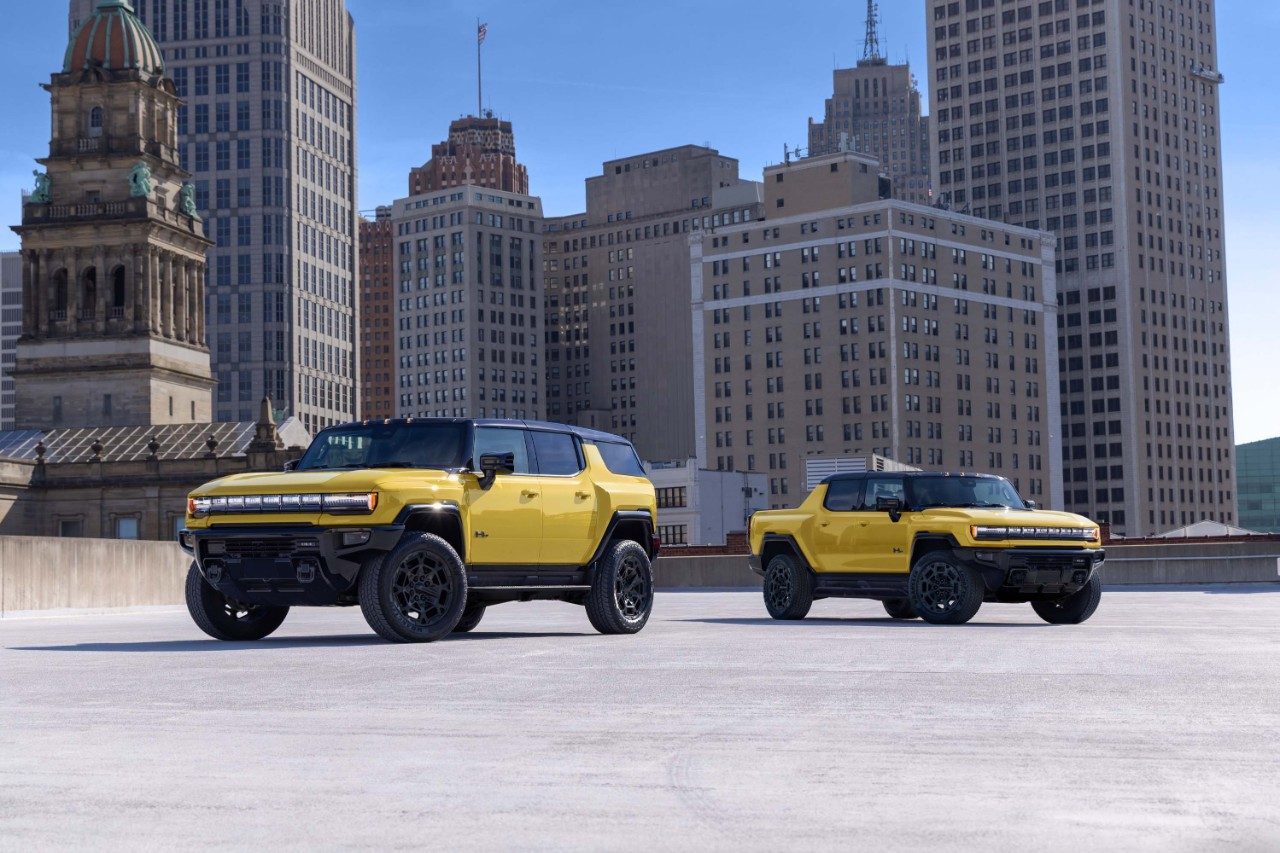
In a shocking turn of events that has sent shockwaves through the automotive world, General Motors is attempting a high-stakes resurrection trick. To commemorate a quarter-century of sheer size, road dominance, and unbridled excess, GMC has officially pulled the sheet off the ultra-exclusive Hummer EV ICON | 25. Drenched in the eye-searing classic yellow paint reminiscent of the iconic early 2000s H2, this limited-run supertruck promises to awaken deep nostalgia for nineties and noughties motorheads alike. But beneath the blinding, high-gloss paint job lies a dark and uncomfortable truth that automotive executives are desperately trying to hide: the massive electric beast is currently suffering from a catastrophic sales collapse.
A Nostalgic Desperate Move? The ICON 25 Revealed
The brand-new Hummer EV ICON 25 isn’t just another trim level; it is a high-priced love letter to an era when big, loud, and fuel-thirsty SUVs completely ruled American highways. By channeling the iconic aesthetic of the legendary Hummer H2, GMC hopes to spark emotional impulse buys among wealthy collectors and die-hard enthusiasts. The bright yellow shade—once the ultimate symbol of Y2K wealth, celebrity status, and aggressive flexing—has returned to give the quiet electric monster a loud, unapologetic voice once again.
Equipped with mind-boggling specs including a thousand-horsepower tri-motor setup, crab walk capabilities, and gravity-defying acceleration times, the vehicle should theoretically be selling out instantly. Yet, behind closed doors at corporate headquarters, alarm bells are ringing louder than ever before. The timing of this flashy throwback release could not possibly be worse. Auto analysts are stunned as official figures reveal that GMC Hummer EV sales plummeted by an alarming 55% during the first half of 2026.
Nostalgia Meets Electric Supertruck Overkill
What makes the Hummer EV ICON 25 such a fascinating paradox is its sheer technological ambition matched with plummeting market demand. Inside and out, it is an absolute marvel of engineering excess. The special anniversary edition features bespoke exterior badging, exclusive interior contrast stitching, aggressive off-road tires, and state-of-the-art battery tech. However, industry insiders are openly questioning whether flashy paint jobs and nostalgia-baiting special editions can fix what is fundamentally broken in the high-end electric vehicle sector.
When the modern electric Hummer first debuted, waitlists spanned years, and second-hand models were flipping for double their retail prices at luxury auction houses. Today, that frantic frenzy has completely evaporated. Buyers who wanted an absurd six-figure electric toy already have one sitting in their climate-controlled garages. The broader public, faced with economic uncertainty and creeping range anxiety, appears to be turning its back on six-figure EV behemoths that weigh as much as small commercial buildings.
The Brutal Reality: Electric Truck Sales Are Freezing Over
The devastating 55% drop in sales isn’t just a minor blip on the radar—it represents a massive, tectonic shift in consumer behavior. As electric vehicle adoption slows dramatically across the entire auto industry, expensive utility vehicles and oversized luxury pickups are taking the absolute hardest hit. The initial honeymoon phase with hyper-expensive electric trucks is officially over. Charging infrastructure hurdles, massive curb weights, and shocking depreciation rates have left potential buyers extremely hesitant to pull the trigger on vehicles like the General Motors flagship EV.
Can a hit of bright 2000s yellow paint really save a sinking ship? While wealthy collectors will undoubtedly snap up the extremely limited inventory of the Hummer EV ICON 25, it will do little to fix the underlying demand freeze. Unless GMC can convince everyday truck buyers that massive electric behemoths are practical long-term investments, even the most legendary nostalgia trips won’t be enough to reignite the electric revolution.