
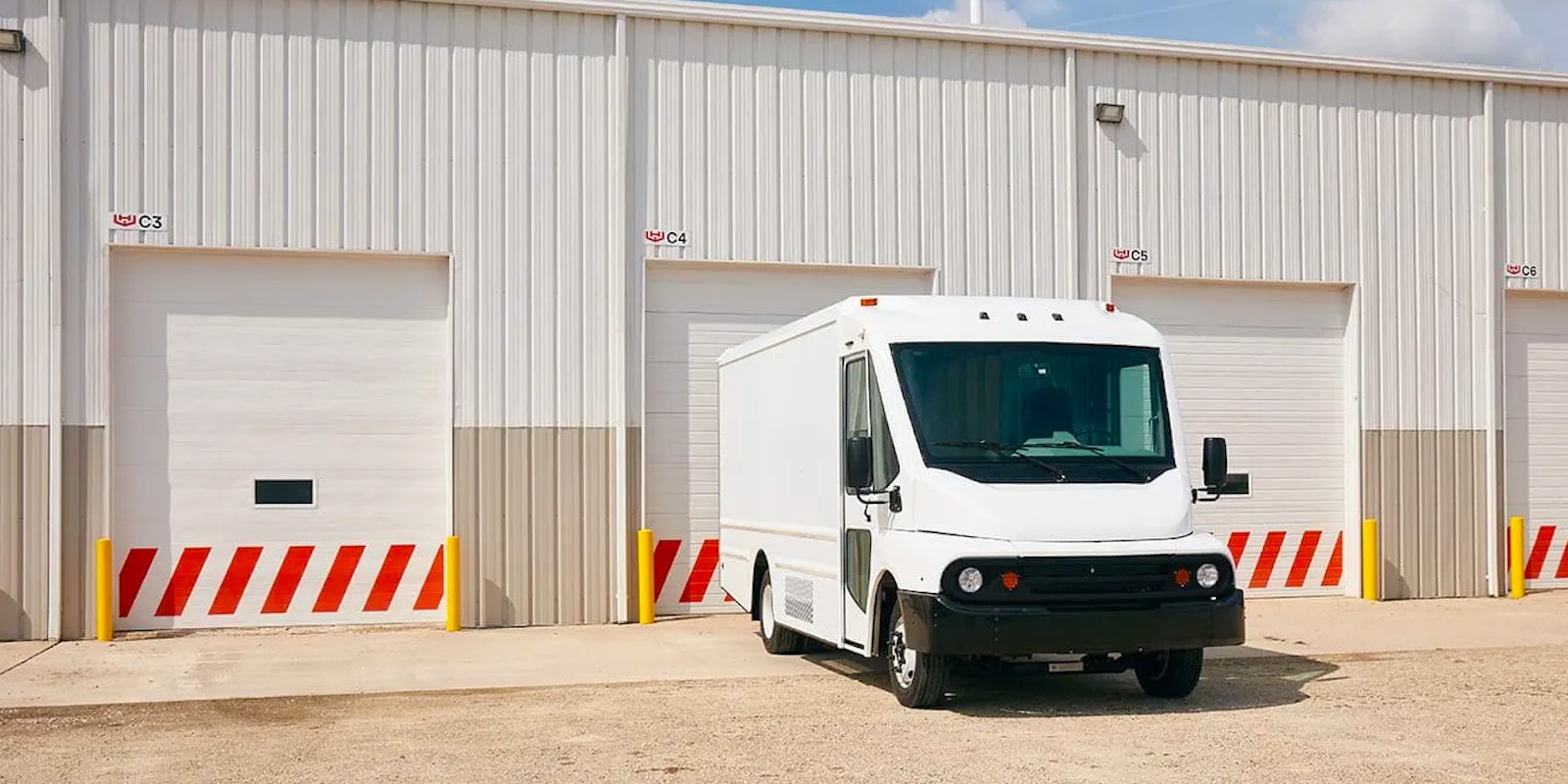
The Delivery Revolution: Workhorse’s Bold Move Against High Gas Prices
The global logistics industry is currently standing on the precipice of a radical transformation. For decades, fleet managers have been held hostage by the volatile price of diesel and the ever-climbing maintenance costs of internal combustion engines. But today, a giant in the commercial EV space, Workhorse, has fired a massive shot across the bow of traditional manufacturers. With the unveiling of a new, significantly more affordable configuration of its flagship W56 Step Van, the message is clear: the electric future is no longer a luxury—it is an economic necessity. This strategic move aims to dismantle the primary barrier to entry for small and mid-sized delivery businesses: the high upfront cost of going green.
Gas prices have been a persistent thorn in the side of businesses large and small. Every penny increase at the fuel pump directly erodes the bottom line of delivery services, making long-term budgeting an impossible task. Workhorse understands this pain point intimately. By optimizing their manufacturing processes at their Union City plant and rethinking the internal architecture of the W56, they have managed to lower the barrier to entry for clean transportation. This is not just a win for the environment; it is a declaration of war against the rising cost of operations. The new, more accessible pricing model is designed to entice fleet owners who were previously on the fence, proving that sustainability and profitability can indeed go hand in hand.
Breaking the Price Barrier: The New W56 Strategy
To achieve this impressive new price point, Workhorse did not simply cut corners; they innovated through modularity. The W56 Step Van utilizes a sophisticated design that allows for flexibility in battery sizing and interior configurations. This means fleet managers can now customize their vehicles to match their specific route demands without paying for excess battery capacity they do not use. It is a ‘right-sized’ approach to the delivery world. By leveraging a streamlined supply chain and focused American manufacturing, Workhorse is proving that domestic commercial EVs can compete with the prices of traditional combustion vehicles when considering the total lifecycle costs.
The W56 features a robust 150-mile range, which is more than enough for the vast majority of ‘last-mile’ delivery routes in urban and suburban environments. This focus on practical, real-world specifications over ‘spec-sheet’ vanity is what will ultimately win over the average business owner. Furthermore, the maintenance savings of an electric drivetrain are staggering. With fewer moving parts, no oil changes, and significantly reduced brake wear thanks to advanced regenerative braking, the W56 is built to stay on the road and out of the repair shop. This reliability is the hidden profit margin that many fleet managers often overlook when looking only at the initial purchase price.
Specifications, Fleet Impact, and Long-Term ROI
The transition to an electric fleet is often viewed as a daunting task, but the W56 is engineered to be a ‘plug-and-play’ solution. Workhorse provides comprehensive support for charging infrastructure, ensuring that the transition from a gas station to a charging depot is as seamless as possible for the drivers and the dispatchers. This holistic approach is essential for businesses that cannot afford a single day of downtime during a technology transition. For those looking to dive deeper into the technical standards of this transition, the Department of Energy offers extensive resources on how clean energy infrastructure is being built out nationwide.
Here are several key reasons why the new W56 configuration is a massive game-changer for the delivery industry:
- Significantly lower total cost of ownership (TCO) compared to diesel or gasoline vans over a five-year period.
- Immediate eligibility for various federal and state tax incentives, including the lucrative Inflation Reduction Act (IRA) commercial vehicle credits.
- Improved driver retention and safety due to the quiet, vibration-free driving experience and ergonomic cabin design.
- Enhanced brand image and marketing potential as companies meet and exceed their sustainability goals.
- A robust payload capacity that comfortably rivals traditional Class 5 and Class 6 delivery trucks without the emissions.
As the logistics world moves rapidly toward a zero-emission future, the W56 is positioned as the new benchmark for value and performance. While competitive models from rivals like Rivian and BrightDrop are certainly impressive, Workhorse’s deep roots in the vocational vehicle market give them a unique edge. They understand the rigors of the daily delivery grind—the constant stopping, the heavy cargo, and the need for a vehicle that can survive ten years of abuse. The shift is happening now, and with the new affordable W56, there has never been a better time for businesses to stop pouring their profits into the gas tank and start investing in the future of their fleet. In a world where every cent counts, ignoring the EV revolution is no longer a viable option.