The Electric Revolution Extends Beyond Cars: A Deep Dive into E-Bikes and Nontraditional Electric Vehicles
While the spotlight often shines on the rapidly evolving landscape of electric cars, the broader world of Electric Vehicles (EVs) encompasses a diverse and exciting array of innovations. This includes the burgeoning market for electric bicycles (e-bikes) and other unique electric-powered transportation solutions. These alternatives are not only gaining traction among consumers but are also presenting compelling answers to contemporary challenges, such as volatile fuel prices and the growing desire for sustainable urban mobility. Recent developments in this sector highlight significant advancements from established brands and promising comebacks, signaling a maturing and increasingly competitive market for those seeking personal electric transport.
E-Bike Market Dynamics: New Entrants and Resurgent Brands
The electric bicycle segment is experiencing robust growth, driven by increasing consumer interest in eco-friendly commuting and recreational options. Brands like Ride1Up and Heybike are making waves with their latest offerings, pushing the boundaries of design, performance, and affordability. Ride1Up, known for its value-oriented approach, continues to deliver well-specced e-bikes that challenge more expensive alternatives. Their new models often focus on integrating practical features for daily riders, such as comfortable ergonomics, durable components, and sufficient range for commuting and leisure rides. This commitment to accessible Electric Vehicles technology makes them a popular choice for those entering the e-bike market.
Similarly, Heybike is carving out a niche by emphasizing adventure-ready electric bicycles. Their designs often incorporate robust frames, powerful motors, and extended battery life, catering to riders who want to explore off-road trails or tackle longer distances. The company’s focus on user experience, from assembly to ride quality, has helped build a loyal following. As the e-bike market expands, these manufacturers are demonstrating the potential for Electric Vehicles beyond traditional four-wheeled applications, offering specialized solutions for diverse user needs.
Beyond new innovations, the e-bike industry is also witnessing significant comeback stories, underscoring the resilience and dynamic nature of the EV Tech sector. Juiced Bikes, a brand that faced challenges, has shown a strong resurgence, re-establishing its presence with updated models and a renewed focus on performance and rider satisfaction. Their return signals a growing confidence in the long-term viability of specialized Electric Vehicles and the loyalty of their customer base. Likewise, Rad Power Bikes, a major player in the direct-to-consumer e-bike space, has also navigated recent industry shifts and appears to be back on a strong trajectory. Their ability to adapt and continue delivering popular models indicates the enduring demand for their accessible and versatile e-bike range, further solidifying the presence of Electric Vehicles in everyday transportation.
Electric Alternatives: Answering High Gas Prices and Evolving Commuting Habits
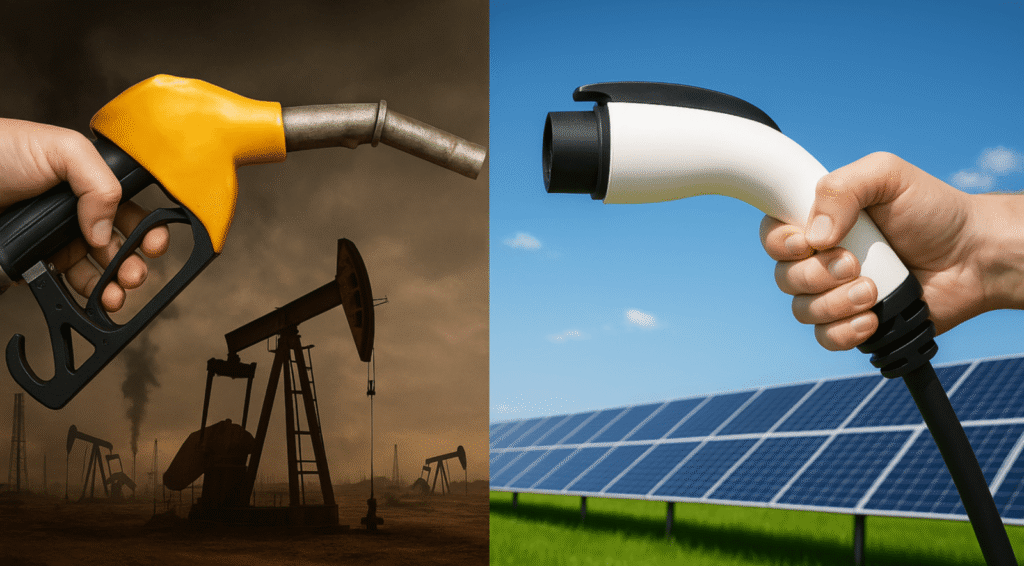
The persistent issue of high gasoline prices has inevitably led many to reconsider their transportation choices. In this context, the humble e-bike, often overlooked, emerges as a potent solution parked in the corner of many garages. For individuals whose daily commutes are relatively short, or for those looking to supplement their existing vehicle use, electric bicycles offer a cost-effective and environmentally friendly alternative. The savings on fuel alone can be substantial, especially when factoring in the lower maintenance costs associated with e-bikes compared to gasoline-powered vehicles. Furthermore, the operational cost per mile for an e-bike, powered by electricity, is significantly less than that of even the most fuel-efficient cars.
The appeal of e-bikes also extends to their ability to navigate urban environments more efficiently. They can bypass traffic congestion, are often easier to park, and can provide a form of exercise, contributing to overall well-being. This combination of practicality and health benefits aligns with a growing trend towards integrated mobility solutions. As urban infrastructure continues to adapt to accommodate more diverse forms of Electric Vehicles, the role of e-bikes in personal transportation networks is set to expand. The broader narrative of Electric Vehicles is thus enriched by these smaller, yet impactful, modes of transport, demonstrating that innovation in EV Tech is happening across all scales.
The discussion around these non-traditional Electric Vehicles highlights a fundamental shift in how people perceive and utilize personal transport. It’s not just about replacing gasoline cars with electric counterparts; it’s about embracing a wider spectrum of electric-powered options that cater to specific needs and preferences. The continued development and adoption of e-bikes and other compact Electric Vehicles are crucial components of a sustainable transportation future, complementing the larger efforts in the automotive sector and contributing to a cleaner, more efficient mobility ecosystem. The future of personal transport is undeniably electric, and this includes the growing popularity of e-bikes and related EV Tech.