
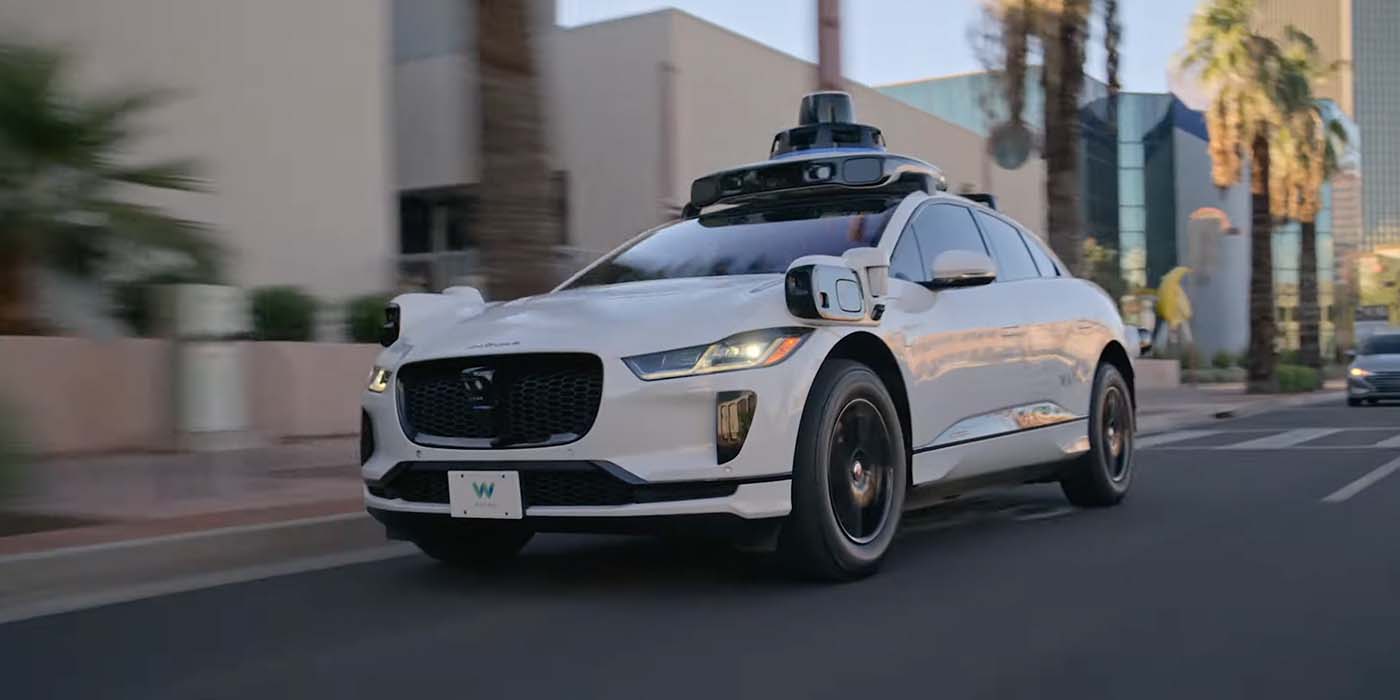
The Silent Takeover: How Waymo is Quietly Dominating Our Streets
The driverless revolution is no longer a futuristic fantasy whispered in Silicon Valley boardrooms—it is actively unfolding on the asphalt of our major metropolitan areas. Waymo, the undisputed leader in autonomous ride-hailing, is positioning itself for a massive, unprecedented scaling effort. Behind the scenes of this massive roll-out lies a high-stakes strategy to replace human-driven gig economies with an army of flawless, self-driving machines that never sleep, never complain, and never stop moving.
As commuters increasingly turn to autonomous vehicles for daily transportation, the logistical hurdles of managing thousands of driverless cars have reached a critical tipping point. How does an empire of artificial intelligence keep its physical assets clean, charged, and mechanically sound without hiring a massive human labor force directly? The answer lies in a newly solidified, secretive alliance that could forever alter urban transit infrastructure and accelerate the timeline for absolute autonomous dominance.
The Multi-Million Dollar Alliance You Weren’t Supposed to Notice
In a bid to streamline its aggressive expansion, Waymo has officially joined forces with Element Fleet Management, a powerhouse in commercial vehicle logistics. This strategic partnership is designed to tackle the monumental task of maintaining, charging, and keeping Waymo’s rapidly growing fleet of robotaxis in pristine operational condition. As the self-driving pioneer enters more major cities across the United States, keeping these sophisticated vehicles on the road is the difference between multi-billion dollar domination and catastrophic operational bottlenecks.
Element Fleet Management will act as the life-support system for Waymo’s self-driving network. From ensuring that high-voltage batteries are charged during peak demand hours to executing complex mechanical diagnostics, this partnership removes the physical friction of fleet operations. It allows Waymo to focus strictly on what it does best: refining its world-class autonomous software and mapping new urban territories for its next phase of conquest.
Industry insiders suggest that this collaboration is the missing puzzle piece Waymo needed to achieve hyper-scale. By outsourcing the grueling, hands-on labor of fleet upkeep to a seasoned giant like Element, Waymo can aggressively deploy its vehicles into fresh markets without the crushing overhead costs of building maintenance hubs from scratch. It is a highly calculated, ruthlessly efficient move designed to box out competitors like Tesla and Zoox before they can even establish a foothold.
What This Means for the Future of Human Drivers
The implications of this deal stretch far beyond corporate balance sheets; they strike at the very heart of the modern labor force. For years, ride-hailing drivers for platforms like Uber and Lyft have feared the day when autonomous technology would render their livelihoods obsolete. With Waymo solving its maintenance and scaling bottlenecks through Element, that dark day has arrived much faster than anyone anticipated. We are witnessing the dawn of an era where hailing a car with a human behind the wheel will feel as archaic as riding in a horse-drawn carriage.
The aggressive expansion plans slated for 2025 indicate that Waymo is targeting high-density urban environments where ride-hailing demand is insatiable. The advantages of an optimized, autonomously managed fleet are staggering:
- Zero Downtime: Vehicles can operate virtually 24/7, stopping only for brief charging sessions and rapid maintenance cycles.
- Predictive Maintenance: AI systems predict mechanical wear-and-tear before a failure occurs, keeping passenger safety at an all-time high.
- Slashed Operational Costs: By eliminating human drivers and streamlining fleet management, the cost per mile is expected to plunge.
- Rapid Market Saturation: New cities can be onboarded in record time, flooding the streets with robotaxis almost overnight.
As local governments grapple with the regulatory challenges of driverless cars, Waymo’s momentum appears unstoppable. The alliance with Element ensures that wherever the technology is legally permitted, a flawlessly maintained fleet of robotaxis will be ready to flood the streets, forever changing how we move, work, and live in the modern city.