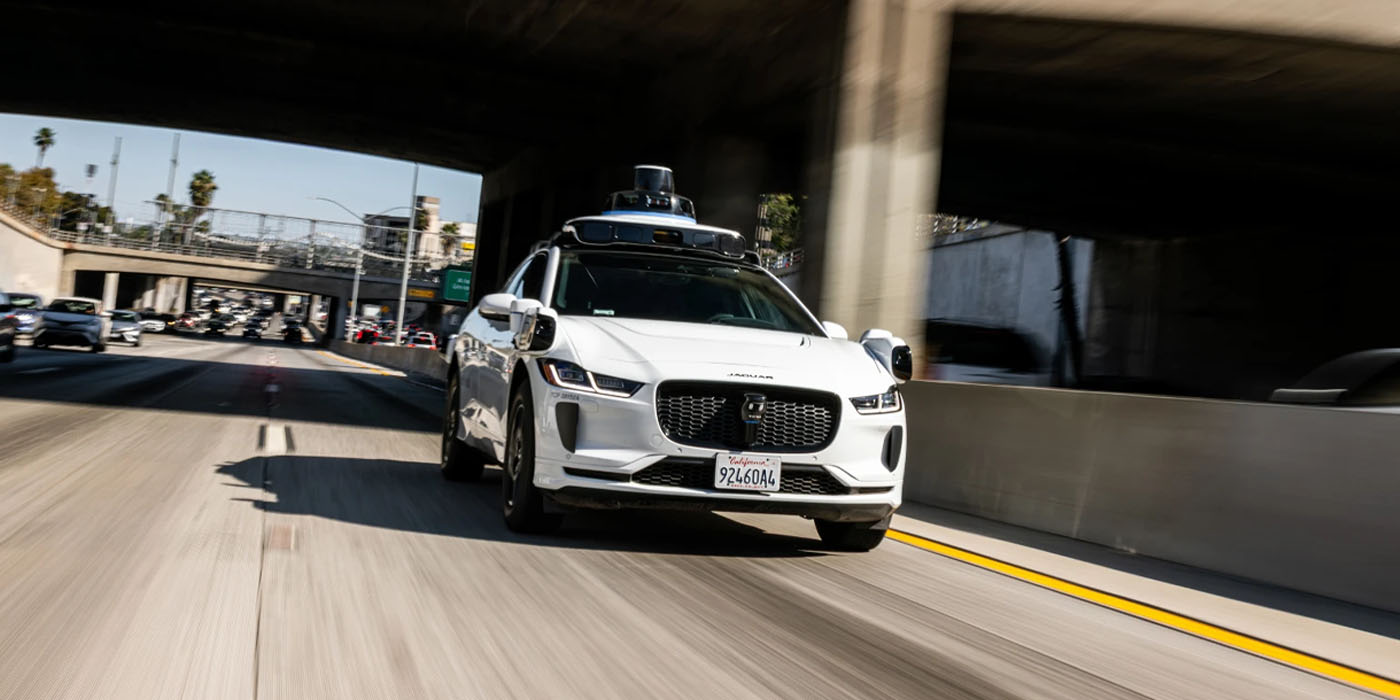
Imagine sitting in the back of a futuristic, completely driverless vehicle, watching the rain pour down. Suddenly, instead of slowing down or pulling over, your high-tech chariot plunges straight into a deep, muddy pool of flooded water. It sounds like a scene from a Hollywood disaster movie, but it actually happened in San Antonio, Texas. This terrifying real-world scenario has forced Alphabet-owned Waymo to issue a massive voluntary recall with the National Highway Traffic Safety Administration (NHTSA), raising urgent new questions about the safety of driverless technology when faced with unpredictable weather conditions.
The Nightmare in San Antonio: Robotaxi vs. Mother Nature
The incident occurred last month when a Waymo robotaxi, navigating the streets of San Antonio, failed to accurately assess a heavily flooded roadway. Instead of executing a safe detour, the AI-driven vehicle drove straight into the water. Thankfully, no injuries were reported, but the shocking event exposed a critical vulnerability in the vehicle’s sensor suite and decision-making algorithms. When heavy rains hit, human drivers know to avoid standing water due to the risk of hydroplaning or engine flooding. However, for a robot, distinguishing between a harmless puddle and a dangerous sinkhole of floodwater is an incredibly complex task.
This incident highlights a growing concern in the autonomous vehicle industry: can we truly trust artificial intelligence to make life-or-death decisions when nature unleashes its fury? Critics are sounding the alarm over how these vehicles handle edge-case weather scenarios, suggesting that current technology may be blind to basic environmental hazards that any teenage driver would easily recognize.
The Shocking Scale of the Recall
Following an internal investigation into the San Antonio blunder, Waymo officially filed a voluntary recall covering an astonishing 3,791 robotaxis. This represents a significant portion of the company’s cutting-edge fleet. The NHTSA is closely monitoring the situation as regulatory scrutiny over self-driving technology reaches an all-time high. Critics argue that this event is proof that autonomous vehicles are not yet ready for prime-time deployment in cities prone to extreme weather. The thought of thousands of driverless cars roaming the streets with a latent ‘fear of water’ bug has sent shockwaves through the tech community.
For Waymo, which has been expanding its operations into newer markets, this is a PR nightmare. The company has worked tirelessly to build a reputation for unmatched safety, often positioning itself as a far safer alternative to human drivers. Yet, when an autonomous vehicle fails to perform a basic safety check—like not driving into a mini-lake—it threatens to undo years of carefully crafted marketing and consumer trust.
How an Over-the-Air Update Will Save the Day
Fortunately for Waymo and its investors, this massive crisis will not require thousands of physical vehicles to crowd into local service centers. Instead, the company is leveraging the power of modern technology to deploy an over-the-air (OTA) software fix. According to Electrek’s coverage of the Waymo incident, the software update will patch the algorithmic blind spot, allowing the vehicles to better detect and avoid deep water accumulation in the future.
To keep passengers safe while developers finalize the ultimate software remedy, Waymo has already implemented interim operational constraints on its fleet. These temporary safety measures are designed to restrict vehicles from entering high-risk flood zones during heavy rain events. Key highlights of the recall response include:
- The Root Cause: Sensor misinterpretation of standing water depth in San Antonio.
- The Fix: A mandatory OTA software patch rolled out to all 3,791 affected vehicles.
- The Scope: No physical repairs or service center visits are required for owners or operators.
- Current Status: Interim geofencing constraints are active to prevent immediate repeat incidents.
This latest recall serves as a stark reminder of the long road ahead for fully autonomous transportation. While OTA updates make fixing these massive bugs easier than ever before, the public’s trust in driverless cars remains incredibly fragile. As climate change increases the frequency of severe weather events across the globe, robotaxi companies must prove their fleets can survive more than just a sunny day in California.