In a move that has sent shockwaves through the global automotive industry, the partnership between Volkswagen Group and the American EV upstart Rivian has officially crossed a threshold that many skeptics thought was impossible. While critics whispered about the potential failure of this high-stakes alliance, the two companies were quietly conquering the most brutal climates on the planet. Today, we can reveal that the joint venture has successfully completed its grueling winter testing phase, proving that Rivian’s cutting-edge technology isn’t just for sunny California streets—it is built for the harshest conditions known to man.
The $5 Billion Gamble: Why VW is Betting Everything on Rivian
The stakes could not be higher for the German titan. After years of struggling with software glitches and lagging behind the likes of Tesla, Volkswagen Group decided to throw a multi-billion dollar lifeline to Rivian. This wasn’t just a simple partnership; it was a desperate quest for the ‘secret sauce’ of modern electric vehicle architecture. By hitting this latest milestone, a massive $1 billion in fresh investment has been unlocked, flowing directly from VW’s deep pockets into Rivian’s coffers. This brings the total commitment to a level that makes this one of the most significant collaborations in automotive history.
This financial injection is more than just cash; it is a vote of confidence. Rivian, which has faced its own share of production hurdles and cash burn concerns, now stands on solid ground. With the backing of the world’s largest legacy automaker, the company is poised to dominate the rugged EV market. The joint venture is focusing on creating next-generation software-defined vehicle (SDV) platforms that will eventually power everything from luxury Audi sedans to rugged Scout Motors SUVs.
Winter is Coming: How Rivian’s Tech Survived the Arctic
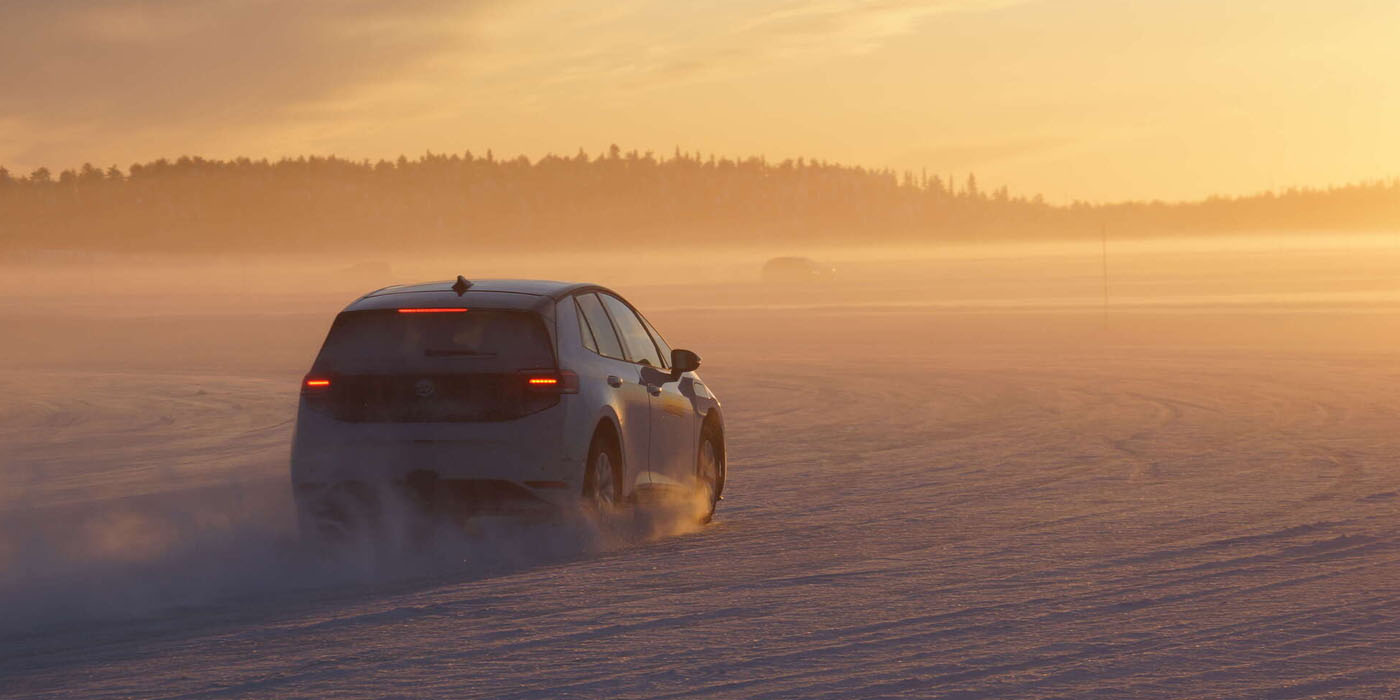
Testing an electric vehicle in sub-zero temperatures is the ultimate trial by fire—or rather, trial by ice. Cold weather is notorious for killing battery range and slowing down infotainment systems. However, the Rivian-powered Volkswagen prototypes performed flawlessly during the recent winter evaluations. Engineers pushed the Rivian zone controllers and network architecture to their absolute limits, ensuring that the software could handle the thermal management required to keep batteries warm and power delivery consistent.
- Enhanced thermal management for battery longevity in sub-zero temps.
- Instantaneous torque vectoring for maximum control in icy conditions.
- Lag-free interface performance at -30 degrees Celsius.
- Optimized regenerative braking for slippery and dangerous surfaces.
The success of these tests means that the core technology is ready for prime time. Volkswagen’s upcoming fleet will no longer be hampered by the software issues that plagued the initial ID. series. Instead, drivers can expect a seamless, smartphone-like experience integrated into a vehicle that can handle a blizzard without breaking a sweat.
The Software Revolution: Can VW Finally Fix Its Digital Woes?
For years, Volkswagen has been mocked for its ‘glitchy’ touchscreens and slow software updates. The Rivian partnership is the cure for this digital disease. By adopting Rivian’s centralized electrical architecture, VW is moving away from the ‘spaghetti code’ of hundreds of different ECU modules and toward a streamlined system. This allows for over-the-air (OTA) updates that can actually improve the car over time, a feat that has long been the primary advantage of Tesla.
Industry analysts are calling this the ‘Great EV Convergence.’ As legacy brands realize they cannot build software as fast as tech-first startups, we will likely see more deals like this. However, VW has the first-mover advantage here. By securing Rivian’s tech, they have effectively locked out competitors from accessing one of the most advanced EV platforms on the market today. You can read more about the Volkswagen Group strategy to see how they plan to integrate this into their global portfolio.
The road ahead is clear. With an additional $1 billion in the bank, Rivian is expanding its R2 and R3 programs, while Volkswagen is preparing to launch vehicles that finally bridge the gap between German engineering and Silicon Valley software. The EV war just got a lot more interesting, and the winners are already being decided on the frozen tracks of the North.