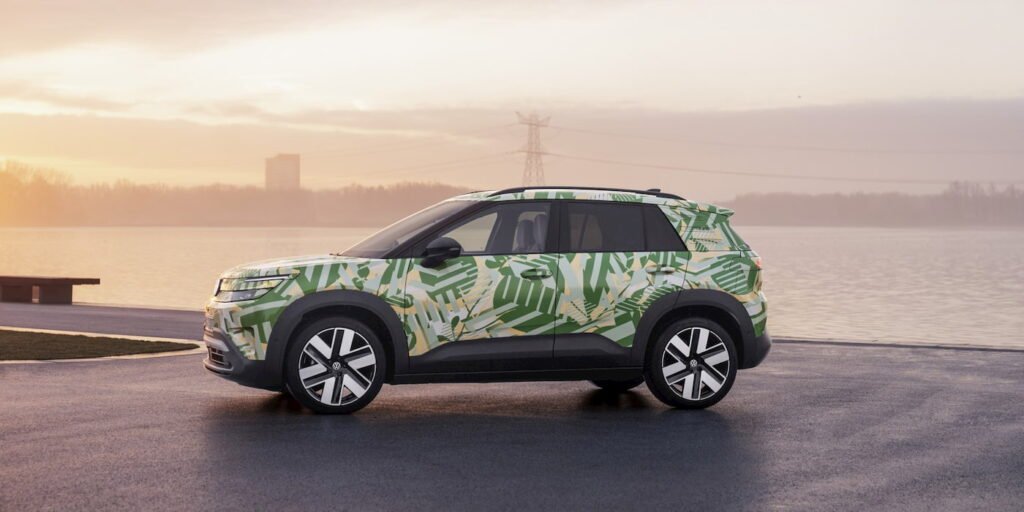
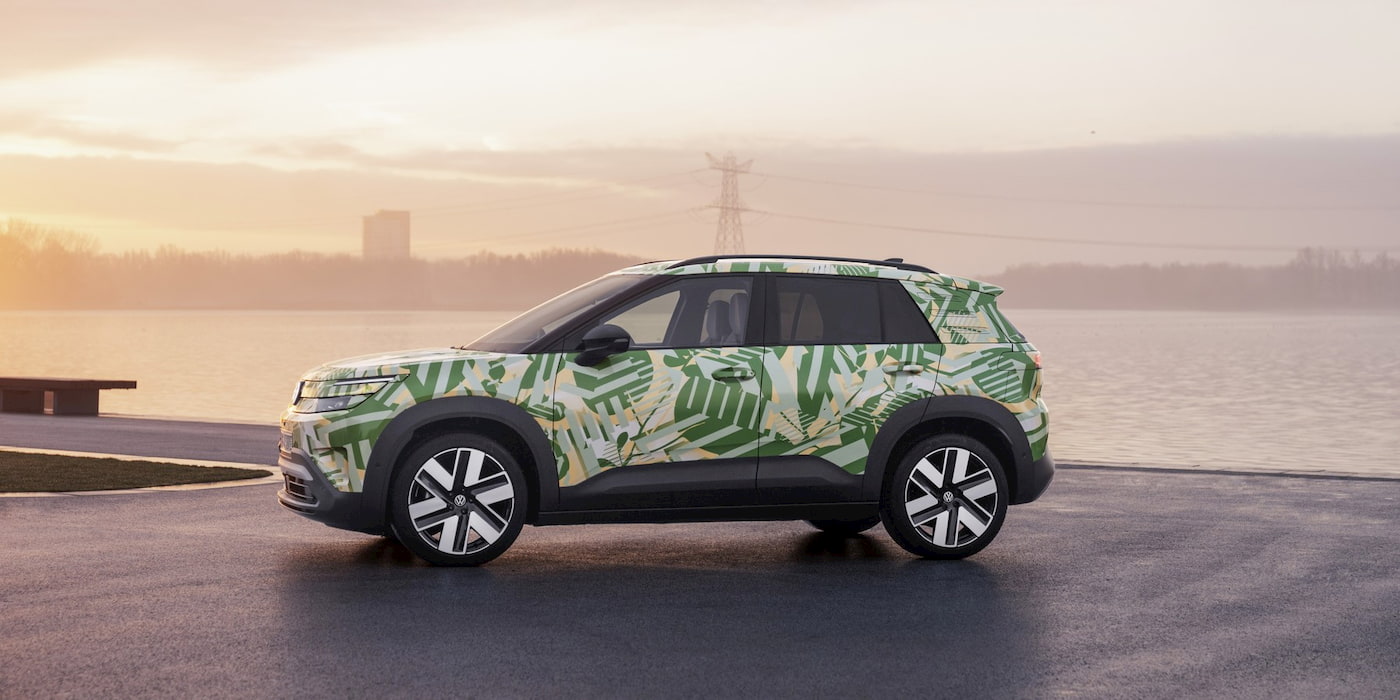
The global automotive industry is witnessing a significant shift toward electrification, and Volkswagen is at the forefront of this transformation. As the German automaker continues to expand its ID. family, a new contender is emerging to capture the hearts of budget-conscious consumers: the Volkswagen ID. Cross. This entry-level electric SUV is positioned to sit strategically below the popular ID.4, offering a more accessible entry point into the world of sustainable mobility for drivers around the globe. This move marks a pivotal moment for the manufacturer as it seeks to scale its production of zero-emission vehicles.
The Strategic Importance of the ID. Cross
The automotive landscape is currently dominated by SUVs and crossovers. By introducing a model that sits below the ID.4, Volkswagen is effectively targeting the ‘sweet spot’ of the consumer market. This vehicle is designed for urban environments and small families who require the utility of an SUV without the bulky dimensions or the premium price tag of larger models. The ID. Cross is expected to leverage the highly flexible MEB platform, which has already proven its worth in the ID.3 and ID.4. This shared architecture allows for significant cost savings in manufacturing, which can then be passed on to the consumer, making electric vehicle ownership more feasible than ever before.
Furthermore, the ID. Cross is a response to the increasing pressure from both domestic and international competitors. With brands like Tesla pushing into more affordable segments and various Chinese manufacturers entering the European and North American markets with low-cost electric alternatives, Volkswagen cannot afford to remain exclusively in the mid-to-high price range. The ID. Cross is the brand’s shield and sword in this competitive arena, designed to defend its market share while attracting a younger, more environmentally conscious demographic that values both brand heritage and modern innovation.
Affordable Pricing and Competitive Edge
Price is perhaps the most critical factor for the success of the ID. Cross. Early reports and insider leaks suggest that Volkswagen is aiming for a starting price point that could revolutionize the market. By keeping the entry price competitive, VW is positioning itself to capture a massive demographic of first-time EV buyers who were previously priced out of the market. This strategy is part of a broader plan to reach a 70 percent share of electric car sales in Europe and 50 percent in China and the US by 2030. To reach these ambitious targets, the company knows it must offer a product that balances performance with affordability.
According to recent updates, the pricing structure will likely be tiered to offer various battery sizes and trim levels. This modular approach allows customers to choose between a smaller, more affordable battery for daily city commuting or a larger pack for those who frequently embark on longer-distance travel. Such flexibility is key to ensuring that the ID. Cross appeals to a wide variety of lifestyles and geographic locations. To learn more about the brand’s vision for the future, you can visit the official Volkswagen Group portal for the latest corporate updates on sustainability and high-tech engineering.
Technical Specs and Modern Design Language
Underneath its sleek and contemporary exterior, the ID. Cross is expected to feature a simplified yet highly efficient drivetrain. While it may not boast the blistering acceleration of high-performance electric sports cars, it focuses on what matters most to everyday drivers: efficiency, reliability, and ease of use. The interior design follows the minimalist philosophy seen in the rest of the ID. family, featuring a central touchscreen interface that handles most vehicle functions, thereby reducing physical clutter and creating a spacious cabin atmosphere. Use of sustainable materials throughout the interior is also expected to be a highlight, appealing to the green values of its target audience.
The exterior design of the ID. Cross blends the ruggedness of a traditional SUV with the aerodynamic efficiency required for a modern electric vehicle. Smooth surfaces, a closed-off front grille, and optimized wheel designs all contribute to a lower coefficient of drag. This attention to detail ensures that the vehicle can squeeze every possible mile out of its battery pack, reducing range anxiety for the consumer. Additionally, the ID. Cross will likely support over-the-air (OTA) updates, allowing the vehicle to improve over time as Volkswagen rolls out new software features and optimizations. In conclusion, the ID. Cross represents the next chapter in the democratization of electric travel, bringing high-quality German engineering to a broader audience than ever before.