
The Dark Truth Behind the 10 GW Solar Milestone
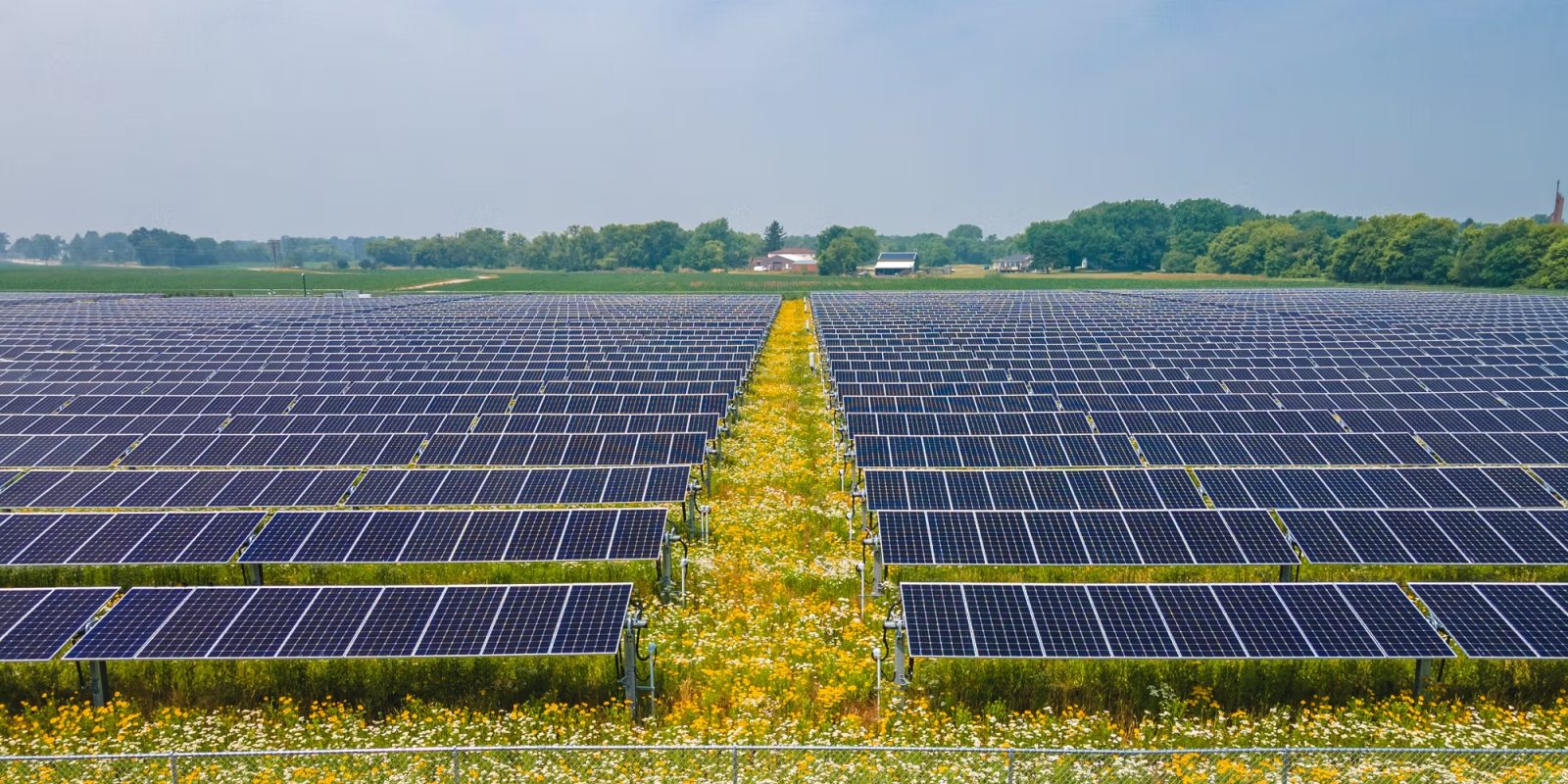
The headlines are screaming about a massive victory for renewable energy. The United States has officially surpassed 10 gigawatts (GW) of installed community solar capacity. On the surface, it looks like a triumph of green technology over fossil fuel giants. But behind the scenes, industry insiders are sounding the alarm. This isn’t just a growth spurt; it is a chaotic struggle for survival in an increasingly hostile regulatory landscape. While the 10 GW mark represents enough energy to power millions of homes, the path to the next 10 GW is littered with landmines that could derail the entire movement. The American public is being sold a dream of clean, cheap energy, but the reality is a multi-billion dollar tug-of-war between innovative solar developers and the antiquated utility monopolies that control our nation’s power lines.
Community solar was supposed to be the great equalizer. Unlike residential solar, which requires a sturdy roof and a high credit score, community solar allows renters and low-income families to subscribe to a local ‘farm’ and see immediate savings on their electricity bills. It is the democratization of energy. However, as this sector scales, it is hitting a wall of bureaucracy. The ‘complicated’ growth story mentioned by experts isn’t just about technical hurdles; it is about a systemic failure to modernize the grid. We are seeing a surge in demand, yet the infrastructure is crumbling under the pressure. Developers are waiting years—sometimes decades—just to get permission to plug their projects into the grid. This isn’t progress; it is a bottleneck that threatens to choke the life out of the solar revolution before it truly begins.
Why Regulatory Gridlock is Killing Your Clean Energy Dreams
Why is it so hard to get solar power to the people? The answer lies in the ‘interconnection queue.’ This is the bureaucratic purgatory where solar projects go to die. Currently, there are more gigawatts of solar capacity sitting in queues than there are currently operating on the grid. Utilities, often protected by state laws, have little incentive to speed up the process. In fact, many view community solar as a direct threat to their bottom line. Every kilowatt-hour produced by a community solar farm like those managed by Nexamp is a kilowatt-hour the utility cannot sell at a markup. This conflict of interest has led to a series of legislative battles across the country, from California to New York.
In many states, the rules are being rewritten in the middle of the game. Subsidy programs that were designed to jumpstart the industry are being slashed, and ‘grid access fees’ are being manufactured to discourage new projects. This creates an environment of extreme volatility. Investors who were once eager to pour billions into US community solar growth are now pulling back, terrified by the lack of consistency in state-level policies. If the regulatory framework doesn’t stabilize, the 10 GW milestone might not be a stepping stone, but rather a peak before a devastating collapse. We are at a crossroads where political will must triumph over corporate lobbying if we want to keep the lights on with clean energy.
The Multi-Billion Dollar Battle for America’s Grid
The financial stakes could not be higher. As we look toward 2026 and beyond, the community solar sector is expected to be a primary driver of the energy transition. But the complexity of the market is reaching a breaking point. We are seeing a divide between states that embrace the future and those that are digging in their heels to protect the status quo. To understand the gravity of the situation, one only needs to look at the Solar Energy Industries Association reports, which highlight the massive economic potential currently being held hostage by red tape. Thousands of jobs and billions in local tax revenue are on the line.
Ultimately, the growth of community solar is no longer just a matter of installing panels in a field. It is a war of attrition. It involves complex negotiations over land use, environmental impact, and equitable access for disadvantaged communities. The 10 GW achievement is a testament to the resilience of the industry, but the ‘complicated’ road ahead means that only the strongest—and most politically savvy—companies will survive. For the average consumer, this means the promise of lower bills and a cleaner planet remains just out of reach, caught in a web of corporate interests and legislative inertia. The question remains: will the US lead the solar revolution, or will we let it wither in the face of complexity?