In a move that has sent shockwaves through the global energy sector, Suniva has officially announced a gargantuan expansion that could redefine the landscape of American power. The company is set to construct a massive 4.5-gigawatt (GW) solar cell factory in Laurens, South Carolina, marking one of the most significant domestic manufacturing commitments in recent history. This isn’t just a factory; it is a declaration of energy independence that aims to tear down the wall of foreign dominance in the renewable technology sector.
The Dawn of a New American Solar Era
The scale of this project is almost impossible to overstate. A 4.5-gigawatt capacity means this facility will produce enough solar cells to power hundreds of thousands of homes every single year. For decades, the United States has struggled to maintain a foothold in the production of the literal building blocks of solar panels—the cells themselves. While many companies assemble panels in the US, the high-tech process of creating the cells has largely been outsourced to overseas competitors. Suniva’s bold play in Laurens aims to reverse this trend once and for all.
This development comes at a critical juncture for the US economy. With the Inflation Reduction Act providing unprecedented incentives for domestic manufacturing, Suniva is seizing the moment to build a vertically integrated supply chain. Experts suggest that this move will not only lower costs for American consumers but also provide a much-needed buffer against global supply chain disruptions that have plagued the industry since the early 2020s. You can find more details about their mission at Suniva’s official expansion plans.
Why South Carolina? The Heart of the Green Belt
The selection of Laurens, South Carolina, as the site for this behemoth facility was no accident. The region is rapidly becoming the ‘Green Belt’ of the United States, attracting billions in investment from electric vehicle manufacturers and battery producers. South Carolina offers a unique combination of skilled labor, robust infrastructure, and a business-friendly environment that is essential for high-tech manufacturing of this magnitude. This factory is expected to create thousands of high-paying jobs, revitalizing the local economy and proving that the transition to clean energy is a powerful engine for industrial growth.
Local officials have praised the move, noting that the presence of such a high-capacity facility will likely attract secondary suppliers to the region, creating a manufacturing ecosystem that could last for generations. The ripples of this investment will be felt far beyond the borders of Laurens, as South Carolina positions itself as a global leader in the fight against climate change while simultaneously strengthening the American middle class.
Fighting Foreign Dominance: Can the US Compete?
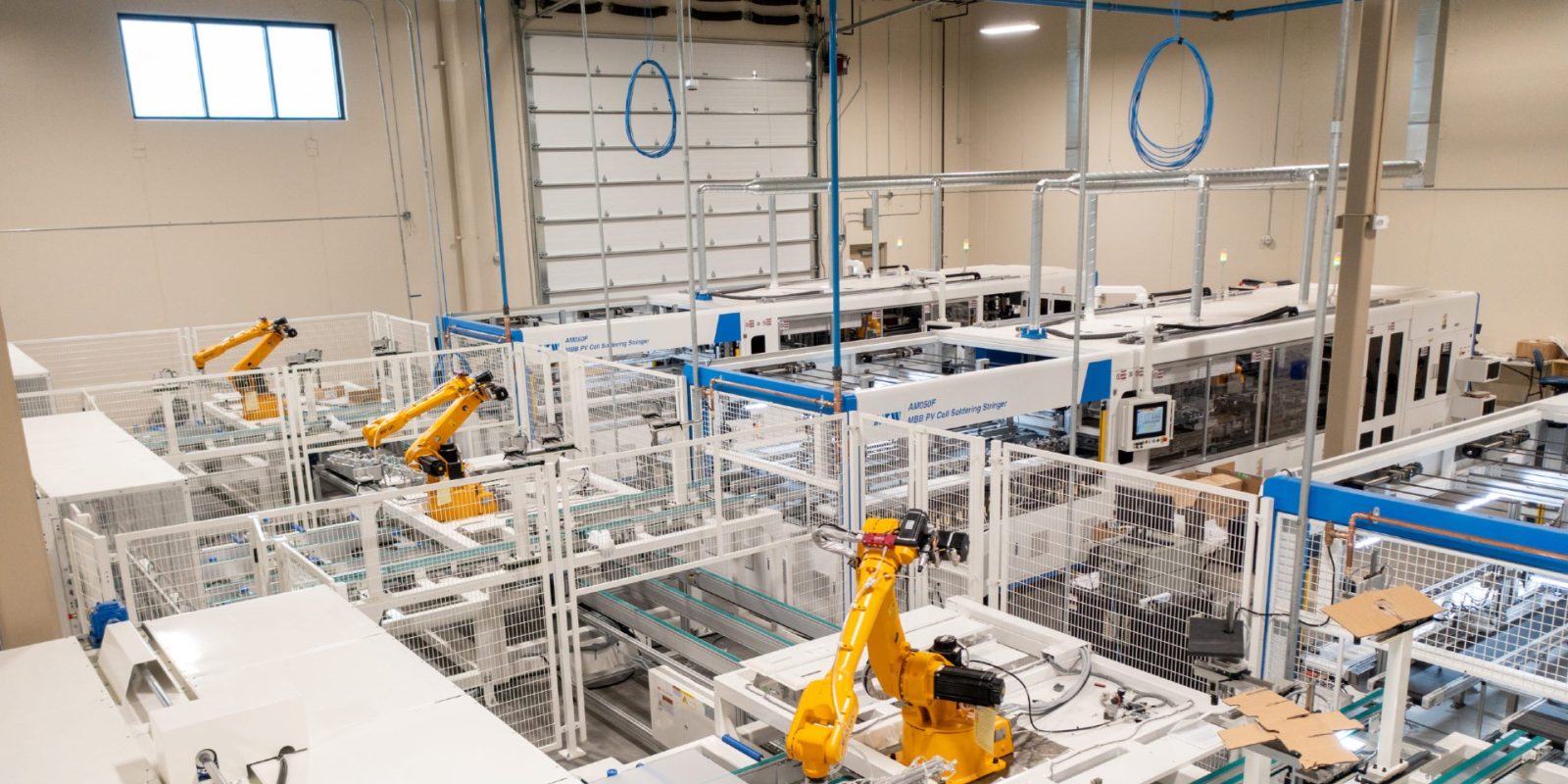
The ultimate question remains: can this new factory truly compete with the massive output of Asian manufacturers? For years, the narrative has been that the US is too far behind to catch up in solar cell production. However, Suniva’s 4.5 GW plant utilizes cutting-edge automation and proprietary technology designed to maximize efficiency and reduce waste. By leveraging the latest innovations in photovoltaic science, Suniva aims to produce cells that are not only ‘Made in America’ but are also superior in performance to anything currently on the global market.
- Massive 4.5 GW annual production capacity.
- Strategic location in Laurens, South Carolina.
- Focus on high-efficiency solar cell technology.
- Creation of thousands of domestic manufacturing jobs.
- Significant reduction in reliance on foreign energy components.
The road ahead is not without challenges, but the momentum is clearly shifting. As the world pivots toward a carbon-free future, the ability to control the production of clean energy technology is becoming a matter of national security. Suniva’s massive expansion is more than just a business deal—it is a cornerstone of the new American industrial revolution. The era of total reliance on foreign solar technology is coming to an end, and it all starts in a small county in South Carolina.