The Sudden Death of Fossil Fuels and the Rise of Clean Energy
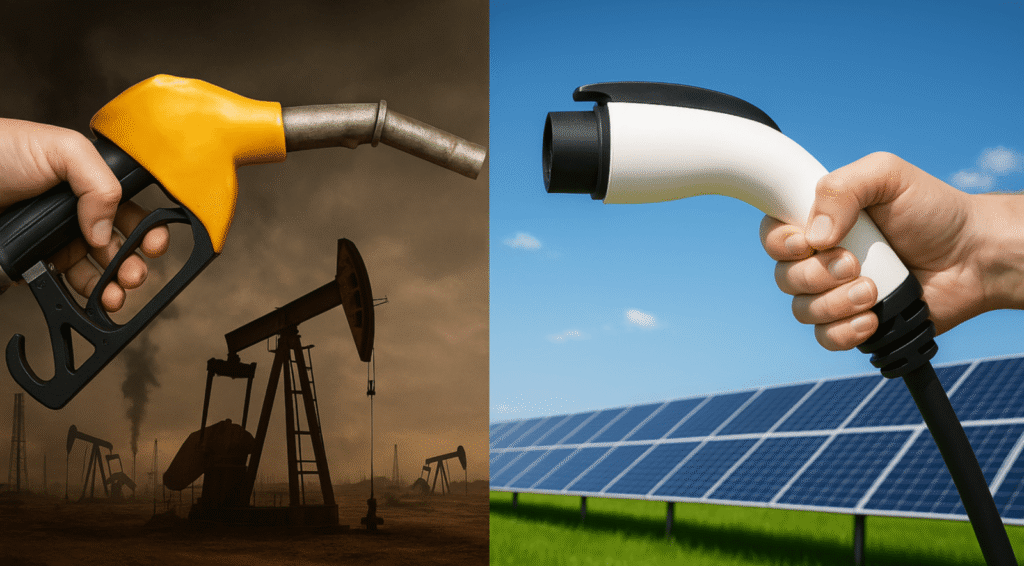
The landscape of American power has reached a fever pitch. In a stunning reversal of historical norms, the U.S. Energy Information Administration (EIA) has just released data that should send shockwaves through the boardrooms of every oil and coal giant on the planet. As of January 2026, renewable energy has not just grown; it has exploded, now providing over a quarter of the entire nation’s electrical generation. This is not a gradual shift—it is a full-scale revolution. With a staggering 11% year-over-year increase, the transition to green power is moving at a velocity that few experts dared to predict even five years ago.
What makes this data truly terrifying for the fossil fuel industry is the sheer scale of installed capacity. Renewables now account for over 36% of all installed generating capacity in the United States. This means the infrastructure for a carbon-free future is already built and ready to dominate. We are witnessing the dismantling of the old guard in real-time. The grip of traditional energy sources is slipping, replaced by the relentless efficiency of the sun, the wind, and advanced battery storage systems.
Solar and Wind Power: The New Kings of the Grid
When we look at the raw numbers provided by the U.S. Energy Information Administration, the disparity between the old world and the new is jarring. In the last year alone, solar, wind, and battery storage technologies added over 55 gigawatts (GW) of new capacity to the grid. To put that in perspective, the net total added from fossil fuels and nuclear power combined was less than 1 GW. We are not just leaning toward renewables; we are sprinting toward them while the fossil fuel sector stands paralyzed on the starting line.
- Solar energy remains the fastest-growing sector, fueled by declining costs and massive federal incentives.
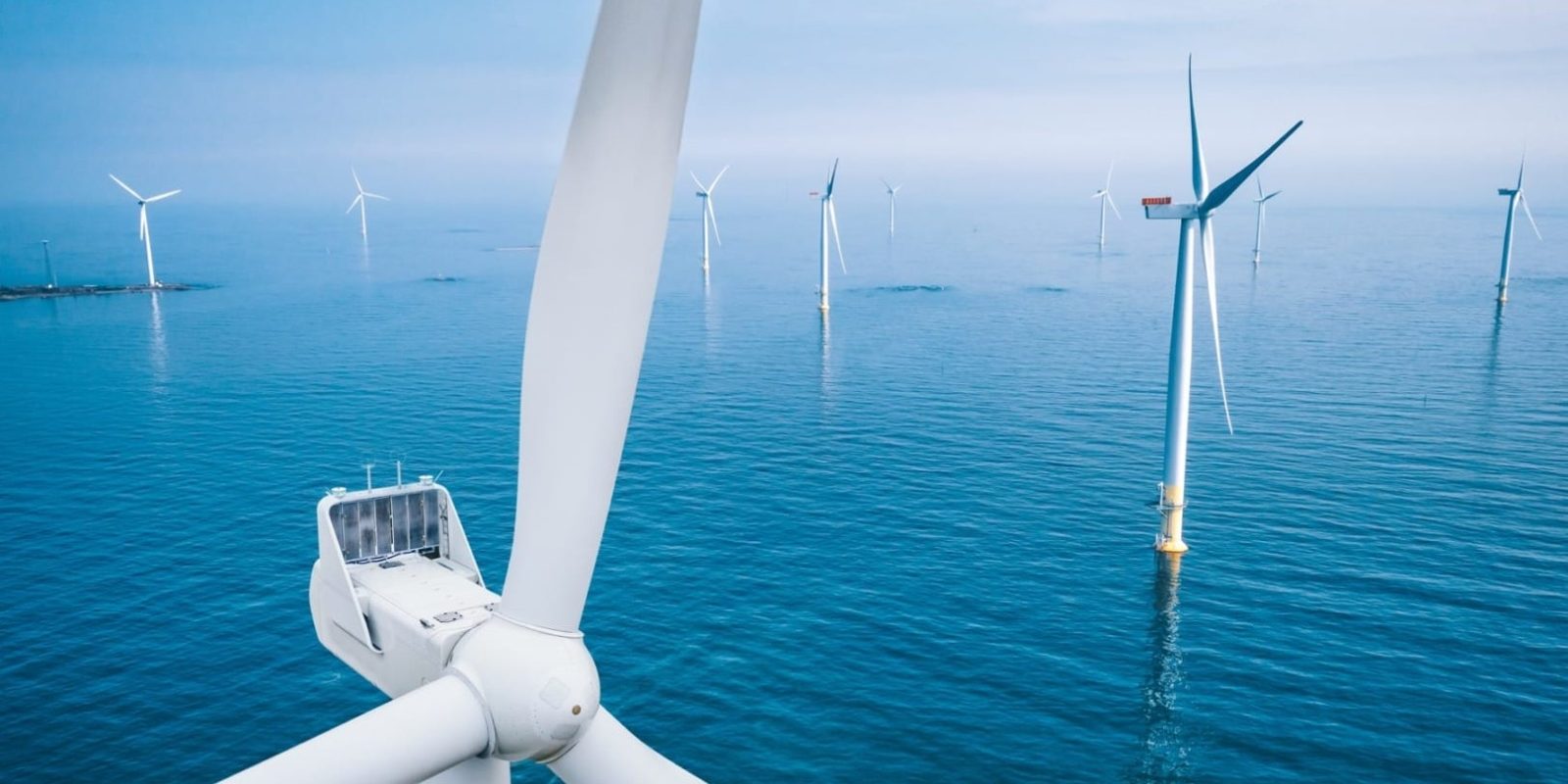
- Wind power, particularly offshore developments, is becoming a backbone for coastal energy security.
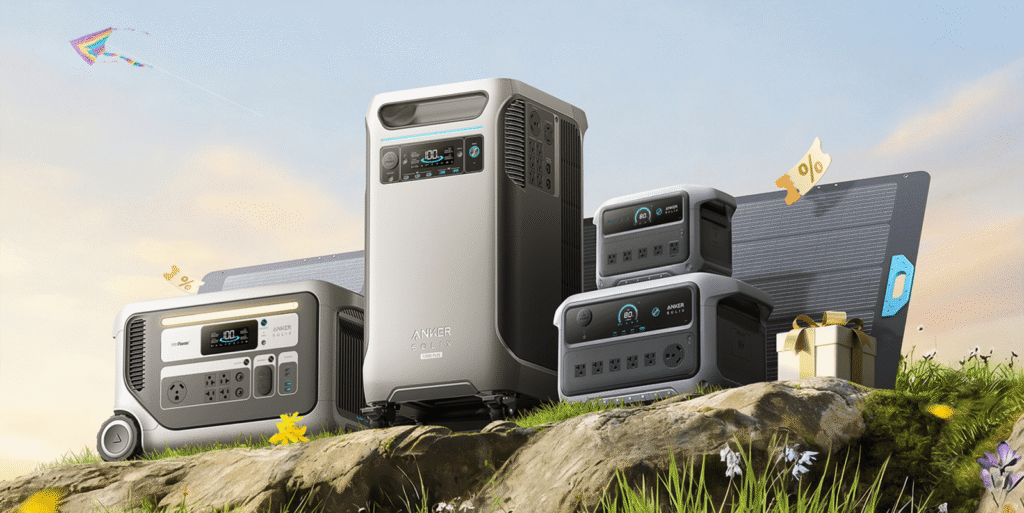
- Battery storage is the ‘secret weapon’ that allows these intermittent sources to provide 24/7 reliability.
The implications of this shift are profound. Not only are these green technologies cleaner, but they are also becoming significantly cheaper to deploy and maintain than aging coal and gas plants. The economic gravity has shifted. Investors are pouring billions into renewable projects because that is where the growth is. The data from January 2026 confirms that the market has spoken, and it has chosen a renewable future over the volatility of traditional fuels.
Why This Shift is Unstoppable in 2026 and Beyond
If you think the January numbers were impressive, the projections for the rest of 2026 are even more dramatic. According to an analysis by the SUN DAY Campaign, which reviewed the latest EIA data, the momentum is only accelerating. We are currently on a trajectory where the dominance of clean energy will become so absolute that the concept of ‘alternative energy’ will soon be applied to fossil fuels instead of renewables. The year 2026 is being hailed as the tipping point where the grid becomes fundamentally green.
The SUN DAY Campaign highlights that the rapid deployment of these technologies is outstripping even the most optimistic forecasts from earlier in the decade. The synergy between high-capacity batteries and massive solar farms means that the ‘duck curve’ and other grid stability concerns are being systematically dismantled. As more storage comes online, the reliability of the renewable grid will surpass that of the centralized, fragile systems of the 20th century. This is about more than just the environment; it is about energy independence, national security, and economic survival in a rapidly decarbonizing world.
As we move deeper into 2026, expect to see even more records shattered. The transition is no longer a ‘what if’ scenario—it is our current reality. The death knell for fossil fuels is ringing, and it is powered by the very wind and sun they once ignored. For the average American consumer, this means a more resilient grid and, eventually, lower energy costs as the marginal cost of sun and wind remains zero. The future isn’t just coming; it’s already plugged in and charging.