The United Kingdom is currently witnessing a tectonic shift in its domestic energy landscape. As the shadow of geopolitical instability looms larger than ever, British households are no longer waiting for government intervention. Instead, they are taking matters into their own hands in a desperate bid to escape the crushing weight of skyrocketing energy costs. The recent escalation in the Middle East, specifically the intensifying conflict involving the United States, Israel, and Iran, has sent shockwaves through global oil and gas markets, leaving the average UK consumer caught in the crossfire.
The Breaking Point: How Global Conflict Hit the UK High Street
For decades, the reliability of fossil fuels was a cornerstone of British life. However, the current war-driven spikes have exposed the extreme vulnerability of this dependence. Data indicates that the fear of a complete energy blackout or unpayable monthly statements has triggered a massive migration toward sustainable alternatives. This isn’t just an environmental movement anymore; it is a financial survival strategy. Homeowners are racing to uninstall aging gas boilers and are looking toward technologies that were once considered niche luxuries.
As supply lines tighten and the threat to the Strait of Hormuz lingers, the price per therm of gas has reached levels that were previously unthinkable. This has created a secondary crisis for the UK power grid, as much of the nation’s electricity generation still relies on gas-fired plants. The resulting ‘double whammy’ has forced citizens to look at their rooftops and garages for salvation. The surge in demand for decentralized energy solutions is unprecedented, with local installers reporting a backlog of requests that stretches well into the next fiscal year.
The Surge in Solar and Sustainable Technology
Solar energy has emerged as the clear frontrunner in the race for energy independence. Recent figures show a staggering increase in the installation of photovoltaic panels across suburban England and Wales. By generating their own power, households are effectively ‘unplugging’ from the volatility of the global market. But solar panels are only one piece of the puzzle. The modern UK home is becoming a miniature power plant, complete with battery storage systems that capture excess energy during the day to power the house through the night.
- Massive increase in residential solar array permits.
- Record-breaking sales of home battery storage units.
- Heightened consumer interest in smart-grid integration technologies.
The financial incentive has never been clearer. With energy prices predicted to remain high as long as the Iran conflict persists, the return on investment for solar systems has dropped from decades to mere years. Families who previously viewed renewable energy as an ‘eco-friendly extra’ now see it as a mandatory shield against the encroaching poverty line. Many are even seeking professional energy audits to maximize every kilowatt their property can produce.
Why Heat Pumps and EV Chargers are the New Status Symbols
Beyond the roof, the very heart of the British home is being ripped out and replaced. The traditional gas boiler, once a staple of every household, is being ditched in favor of air-source heat pumps. Despite the initial installation costs, the efficiency of these units—which can produce three to four times more energy than they consume in electricity—is proving too tempting to ignore. When paired with a domestic solar setup, a heat pump can virtually eliminate heating bills, a prospect that has sent demand into the stratosphere.
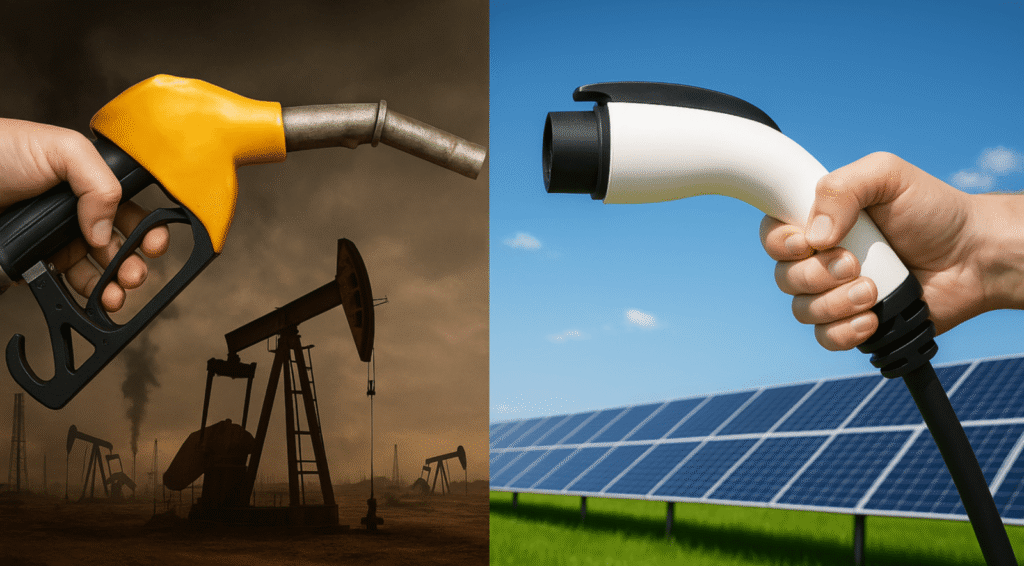
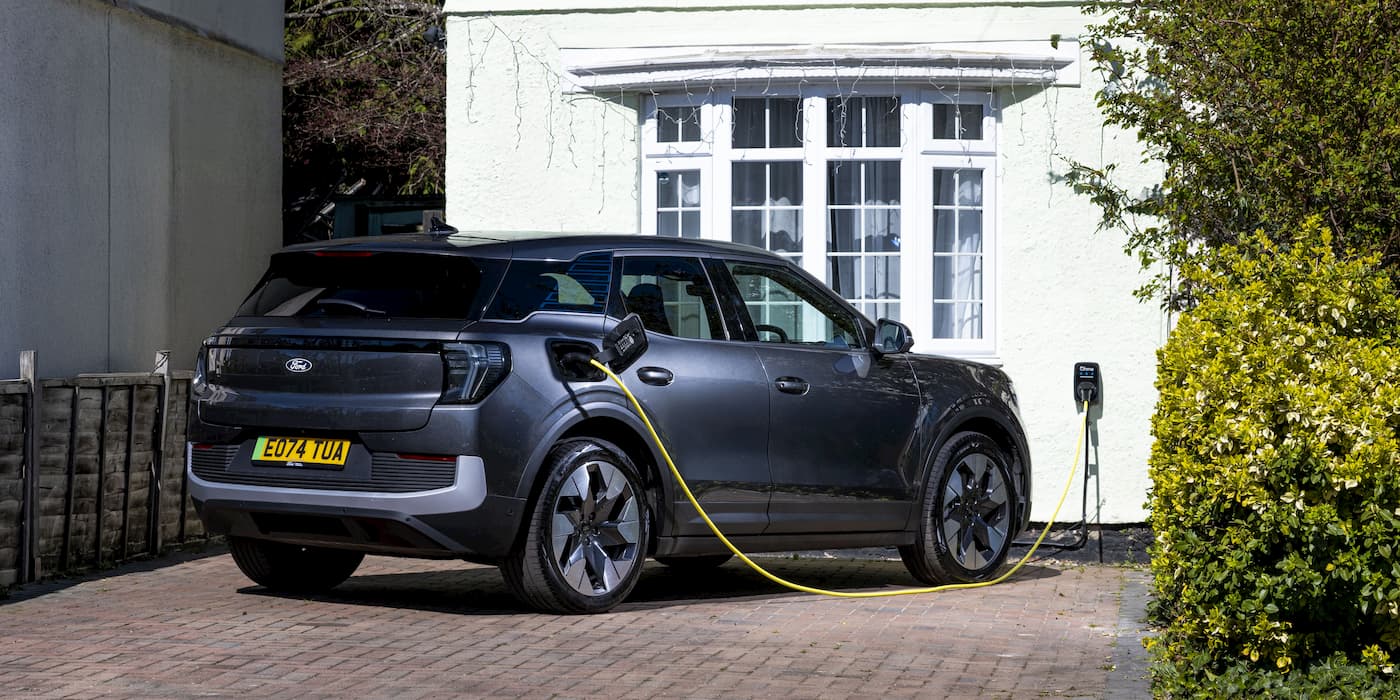
Simultaneously, the garage is undergoing a revolution. As the price of petrol and diesel fluctuates wildly based on the latest headlines from the Middle East, the transition to electric vehicles (EVs) has accelerated. EV chargers are being installed at a record pace as commuters realize that ‘filling up’ with home-grown sunshine is significantly cheaper than visiting a forecourt. This holistic approach to home energy—combining generation, heating, and transport—is redefining what it means to live in the 21st century. The era of the fossil-fuel-dependent household is dying, and in its place, a more resilient, self-sufficient Britain is being born out of necessity and geopolitical strife.