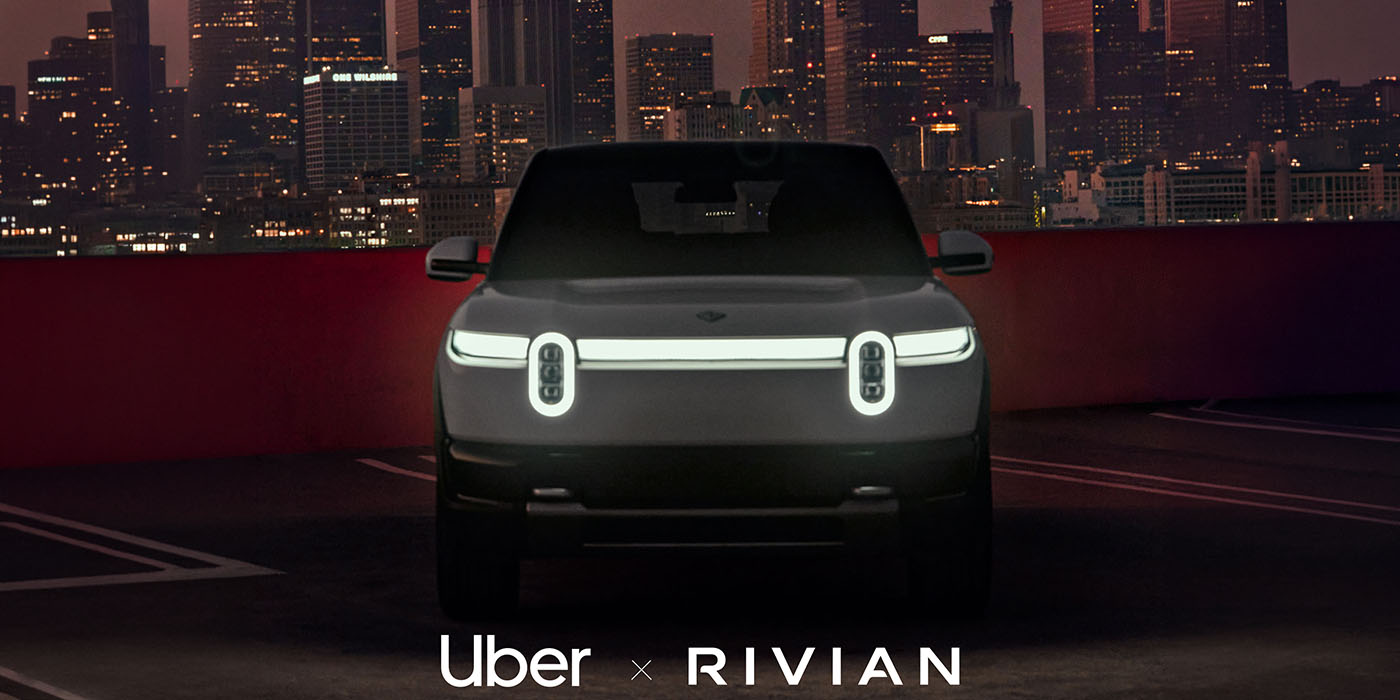
The automotive and tech worlds were rocked this morning by a bombshell announcement that will redefine the future of urban transportation. In a move that few saw coming, Uber has committed a staggering one billion dollars to Rivian, the American electric vehicle manufacturer that has been making waves with its innovative designs. This is not just a partnership; it is a seismic shift in the hierarchy of Silicon Valley and Detroit alike. The deal centers on the deployment of up to 50,000 all-electric robotaxis, specifically leveraging the highly anticipated Rivian R2 SUV platform. As the lines between tech companies and car manufacturers continue to blur, this massive investment signals that the era of the autonomous, electric ride-share is no longer a distant dream—it is happening now.
The Future of Mobility: Uber’s $1 Billion Bet on Rivian
Uber’s decision to pivot toward a massive fleet of autonomous vehicles marks the end of an era for the gig economy. For years, the company has relied on millions of independent contractors to provide rides, but the logistics and costs of human labor have always been a hurdle to absolute profitability. By investing over $1,000,000,000 into Rivian, Uber is securing its place in a world where software, not humans, sits in the driver’s seat. The initial rollout will focus on the R2 platform, a vehicle that was designed from the ground up to be both affordable and technologically advanced. The R2 is seen as the perfect vessel for Uber’s autonomous software suite, providing the battery life and interior space necessary for high-frequency urban use.
Industry analysts suggest that this move could potentially shave billions off Uber’s operating costs over the next decade, while simultaneously positioning Rivian as the primary supplier for the next generation of transportation fleets. The scale of this agreement is almost unprecedented in the EV sector. Deploying 50,000 vehicles is a logistical gargantuan task, but Rivian has proven its ability to scale production through its previous delivery van partnership with Amazon. This new venture with Uber, however, is significantly more complex. These vehicles won’t just be driving; they will be navigating dense urban environments without human intervention. The integration of Uber’s proprietary self-driving technology into the Rivian R2 hardware suggests a deep level of technical collaboration that goes far beyond a simple purchase order. This is a marriage of hardware excellence and software dominance.
The Rivian R2: From Consumer SUV to Autonomous Workhorse
When Rivian first unveiled the R2, it was marketed as a smaller, more accessible sibling to the R1S. It was meant for weekend adventures and family road trips. However, the Uber deal transforms the R2 into the backbone of a global infrastructure project. The R2’s compact footprint makes it ideal for navigating tight city streets, while its spacious interior provides the comfort passengers expect from a premium Uber experience. Rivian’s engineers have reportedly been working closely with Uber’s robotics division to ensure that the R2’s electrical architecture can support the massive power draw of the sensors, LIDAR units, and onboard computing required for Level 4 autonomy. This collaboration ensures that the vehicle is not just an EV, but a rolling data center.
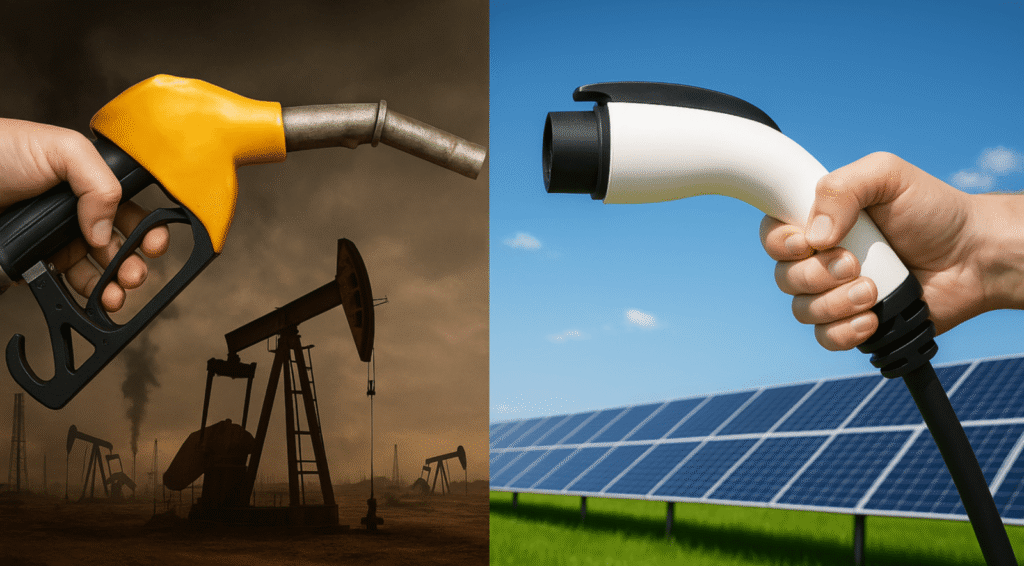
Furthermore, the environmental impact of replacing 50,000 internal combustion engine vehicles with all-electric robotaxis cannot be overstated. Uber has been under pressure to meet its sustainability goals, and this partnership provides a clear path to a zero-emission future. By choosing Rivian, a brand synonymous with adventure and sustainability, Uber is also polishing its public image, moving away from the controversies of the past and toward a cleaner, more efficient vision of the future. The R2’s impressive range will minimize downtime for charging, ensuring that the fleet remains active during peak demand hours, maximizing revenue for the ride-share giant. You can view more about the platform at the official Rivian R2 page for technical specifications.
A New Era for the Gig Economy and Urban Design
While the technological achievement is impressive, the social and economic implications are vast. What happens to the human drivers who currently power the Uber network? This $1 billion investment suggests that Uber is preparing for a transition. While human drivers will likely remain part of the ecosystem for years to come, especially in areas where autonomous technology struggles, the 50,000-strong Rivian fleet represents a significant step toward a driverless reality. This shift will likely force cities to rethink urban planning, from the creation of dedicated robotaxi pick-up zones to the reduction of public parking spaces as car ownership becomes less necessary for the average urbanite.
Competitors like Tesla and Waymo are undoubtedly watching this development with intense scrutiny. Tesla has long promised a fleet of robotaxis, but has yet to deliver a dedicated platform or a partnership of this scale. Meanwhile, Waymo continues to lead in technology but lacks the massive user base and brand recognition of Uber. By joining forces, Uber and Rivian are creating a formidable front that could dominate the market before others even get off the starting line. It is a bold, expensive, and potentially world-changing gamble that places American innovation at the forefront of the global transportation race. This partnership signals the beginning of a true autonomous revolution, where the app on your phone connects you to a driverless, carbon-free future.