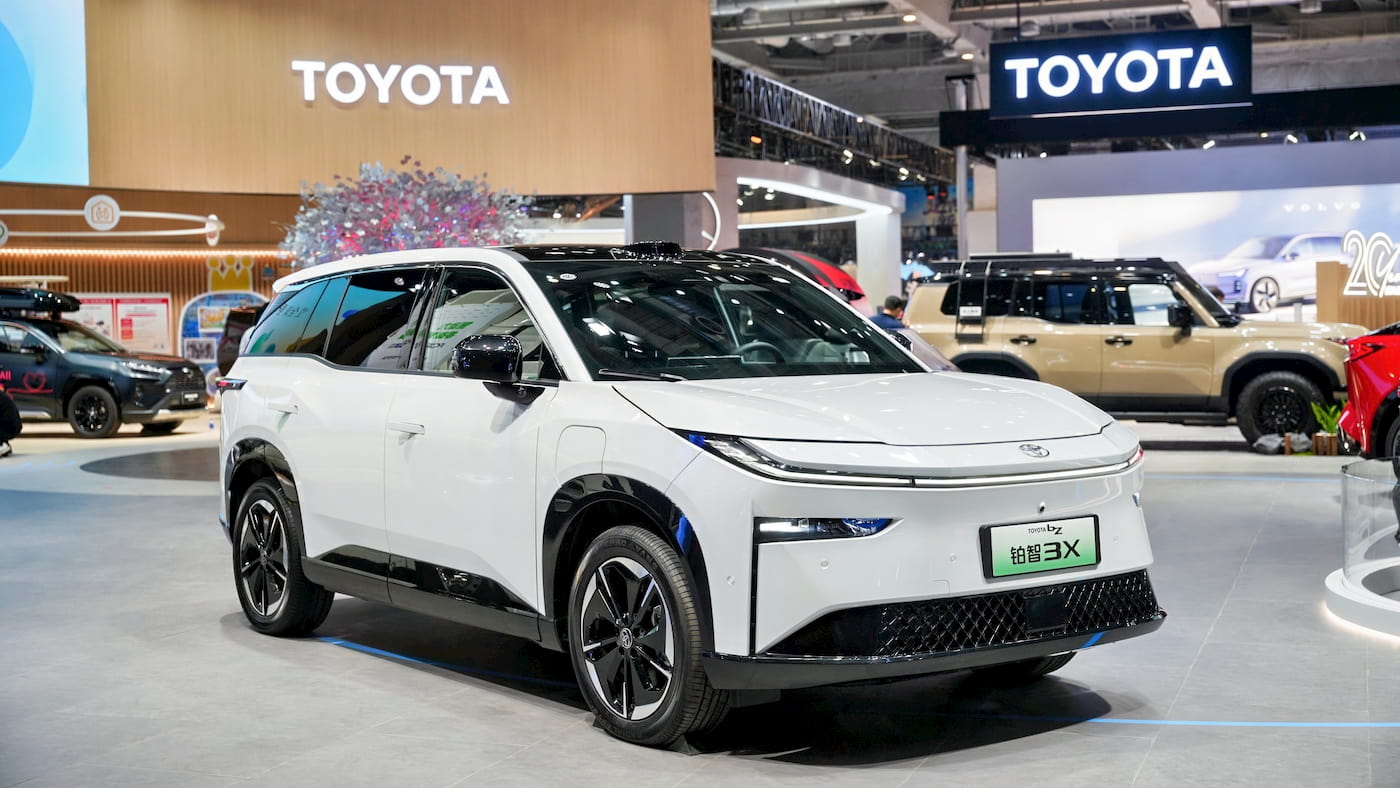
The automotive world is currently reeling as Toyota, a brand once criticized for its perceived slow transition to fully electric vehicles, has suddenly emerged as a dominant force in the world’s most competitive EV market. The Toyota bZ3X, a compact and affordable fully electric SUV, has achieved what many industry insiders thought impossible: absolute market saturation and record-breaking delivery numbers in China. With over 80,000 units delivered in its inaugural year, the bZ3X is not just a success; it is a full-blown phenomenon that is rewriting the rules of the electric revolution.
Why the Toyota bZ3X is the Budget King of 2026
In a global landscape filled with high-priced luxury electric cars that often feel out of reach for the average consumer, Toyota took a radically different path. By focusing on extreme affordability without sacrificing the legendary reliability and build quality the brand is known for, the bZ3X has captured the hearts and wallets of the Chinese middle class. This vehicle represents a pivotal shift in Toyota’s global strategy. For years, skeptics argued that the Japanese giant was lagging behind pioneers like Tesla and BYD. However, the data from the past twelve months tells a drastically different story of calculated timing and market fit.
The bZ3X has remained the best-selling EV from a joint venture in China for seven consecutive months. This is a staggering achievement when you consider the sheer volume of competition in the region. The price point—rumored to be incredibly aggressive at approximately $15,000 for certain base configurations—is the primary driver of this explosive growth. While competitors are struggling with supply chain bottlenecks and the rising costs of raw battery materials, Toyota’s localized manufacturing and strategic partnerships have allowed them to scale at an unprecedented rate. This isn’t just about selling cars; it’s about establishing a legacy in the new energy vehicle (NEV) era.
Breaking Down the 80,000 Delivery Milestone
Achieving 80,000 deliveries in a single year is a feat that most EV startups can only dream of reaching after a decade of operation. For the Toyota bZ3X, this number serves as a testament to the vehicle’s broad appeal. The SUV features a sleek, aerodynamic design, a surprisingly spacious interior, and a suite of smart technology that rivals much more expensive models. It is built on a dedicated electric platform that maximizes efficiency and driving range, making it a practical choice for both urban commuters and modern families.
Industry analysts point out that the bZ3X’s success is not just limited to its sticker price. The infrastructure supporting the vehicle, including Toyota’s expansive dealership network and vastly improved charging solutions, has given consumers the confidence to make the switch from internal combustion engines. According to reports on Electrek, the momentum shows no signs of slowing down as Toyota looks to expand this success to other international markets. The 80,000 unit milestone is merely the beginning of what looks to be a global takeover.
The Joint Venture Strategy: How Toyota Beat the Odds
The secret sauce behind the bZ3X’s meteoric rise is the successful collaboration between Toyota and its local partners in China. This joint venture model has allowed Toyota to navigate the complex regulatory environment and tap into highly efficient local supply chains for batteries and software. By blending Japanese precision engineering with Chinese manufacturing agility, they created a product that is perfectly tailored to the local consumer’s needs. This localized approach is now being studied by competitors worldwide as the blueprint for EV success.
The 7-month winning streak as the top joint venture EV is a clear signal to other legacy automakers. It proves that established brands can compete with nimble, tech-first EV companies if they are willing to adapt, innovate locally, and prioritize the mass-market consumer. As Toyota continues to refine its solid-state battery technology and prepare future bZ models, the bZ3X will likely be remembered as the vehicle that saved Toyota’s electric reputation. The competitive pressure is now on other manufacturers to respond, but for now, Toyota sits comfortably on the throne of the budget EV market. Looking forward, the implications of this success are global, suggesting that the transition to sustainable transport could accelerate faster than anyone predicted.