The automotive world is currently experiencing a seismic shift that could render every single electric vehicle on the road today completely obsolete. For years, critics of green energy have voiced the same loudest complaints: charging takes too long, cold weather ruins performance, and the fear of getting stranded with a dead battery is too high. But a silent revolution has just spilled out of secret research laboratories and onto public pavement. For the first time in history, next-generation power tech is being put to the ultimate test.
The Holy Grail of Electric Vehicles Has Finally Arrived
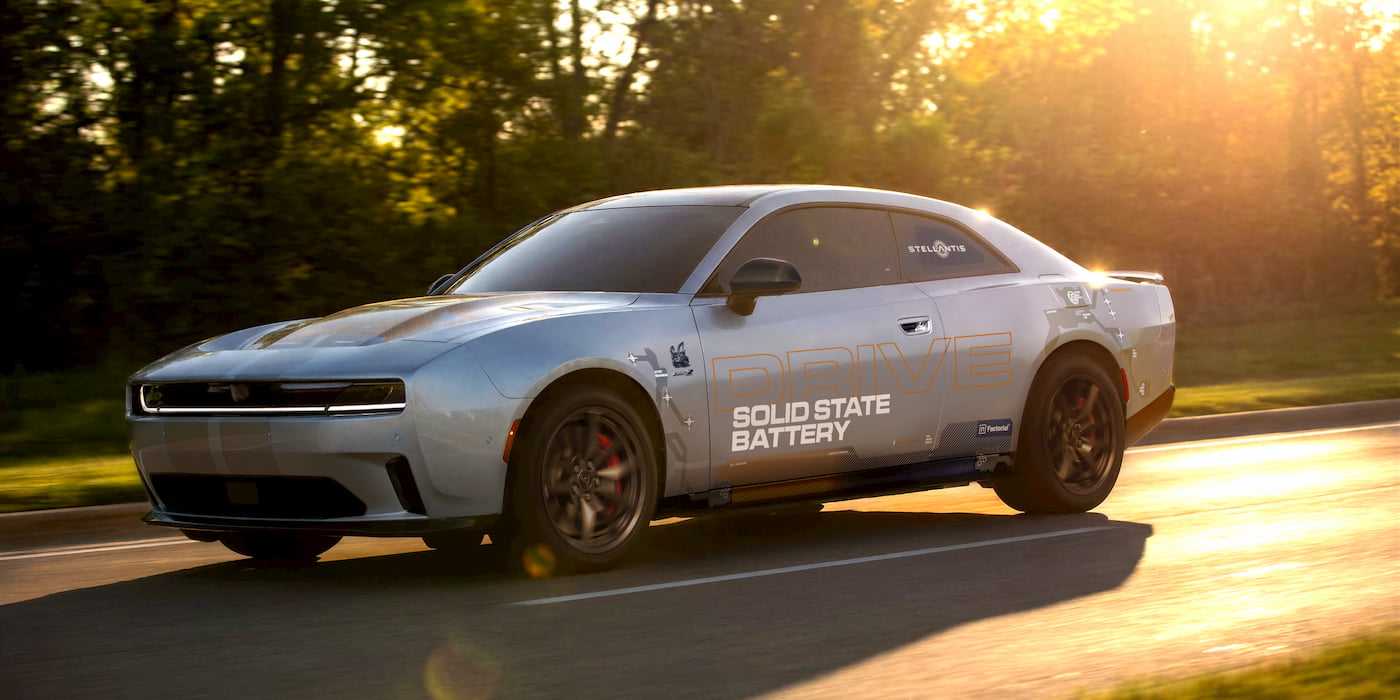
In what is being hailed as the most significant milestone since the invention of the assembly line, solid-state EV batteries are officially being road-tested on North American highways. This is not just another minor upgrade or a temporary software patch; this is a complete rewrite of the transportation playbook. By replacing the volatile liquid electrolytes found in current electric cars with a solid, ultra-stable material, scientists have unlocked performance levels that were previously thought to be physically impossible.
Industry insiders are already warning that legacy automakers who fail to pivot immediately to this technology will face absolute ruin. The testing phase currently underway in North America is designed to subject these cells to real-world abuse, including freezing temperatures, stop-and-go traffic, and rapid-fire supercharging sessions. Early reports indicate that the results are nothing short of miraculous, promising to deliver everything drivers have been begging for: double the range, lightning-fast charging, and drastically lower sticker prices.
Why Legacy Lithium-Ion Technology Is Officially Dead
To understand why this is such a massive deal, we have to look at the severe limitations of current lithium-ion batteries. Today’s EVs rely on liquid chemistry to move energy back and forth. This liquid is heavy, highly sensitive to extreme temperatures, and, worst of all, flammable. Over time, liquid batteries form microscopic, needle-like structures called dendrites that can cause short circuits and catastrophic fires. This danger has forced manufacturers to implement heavy, expensive cooling systems that add unnecessary weight and drive up the cost of the vehicle.
Solid-state technology completely eliminates these hazards. By utilizing a solid ceramic or polymer electrolyte, these new batteries are virtually immune to thermal runaway. They do not catch fire, they do not require complex liquid-cooling systems, and they can pack almost twice as much energy into the exact same physical footprint. This means future electric cars will not only be exponentially safer, but they will also be hundreds of pounds lighter, vastly improving efficiency and handling.
Unbelievable Specs: 1,000 Kilometers on a Single 10-Minute Charge?
The performance metrics being whispered about in the wake of these North American road tests are absolutely staggering. We are talking about vehicles capable of traveling over 600 miles (approx. 1,000 kilometers) on a single charge. Imagine driving from Los Angeles to San Francisco and back without ever having to plug in. And when you finally do need to top off, the charging times will make your jaw drop.
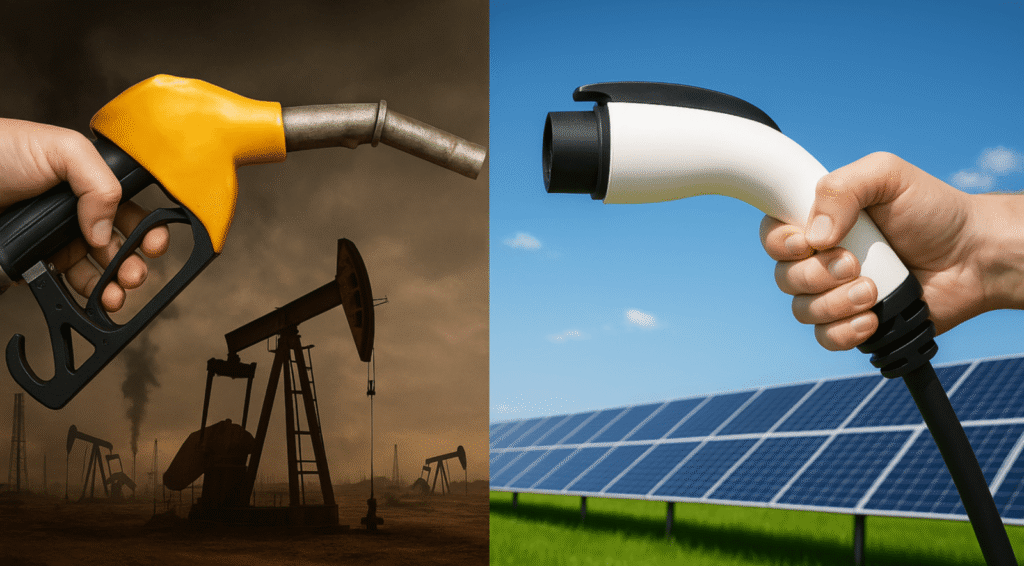
Because solid-state materials can handle extreme currents without overheating, drivers could see their battery charge from 10% to 80% in under ten minutes. This completely dismantles the ‘range anxiety’ argument, aligning the EV charging experience with the time it takes to fill up a traditional gasoline tank. The implications for the global economy, oil dependency, and daily commuting are hard to overstate.
Here is a quick look at how this revolutionary technology compares to what is currently sitting in your garage:
- Double the Range: Energy density is nearly doubled, allowing small cars to travel distances reserved for diesel trucks.
- Hyper-Fast Charging: Safe, rapid energy transfer that takes less time than ordering a cup of coffee.
- Unmatched Safety: Solid structures prevent internal short circuits, eliminating the risk of spontaneous garage fires.
- Extreme Lifespan: Designed to last for hundreds of thousands of miles with virtually zero degradation, preserving resale value.
- Lower Production Costs: Simplified manufacturing and fewer rare earth metals will eventually make EVs cheaper than gas cars.
As these road tests continue to yield positive data, the countdown to commercial production has officially begun. The days of waiting around at sketchy charging stations in the freezing cold are numbered. The future of driving is silent, ultra-fast, and completely solid.