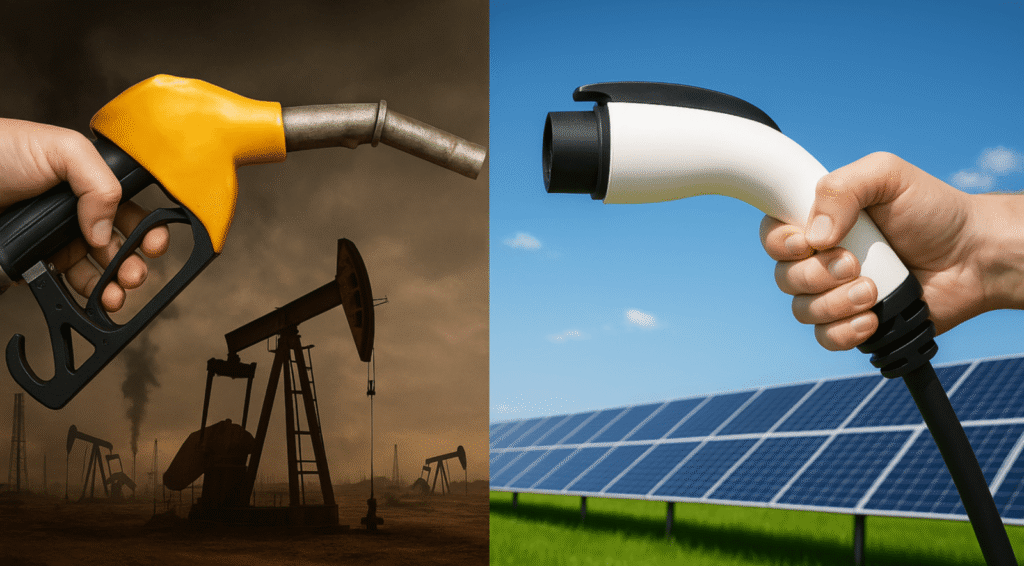
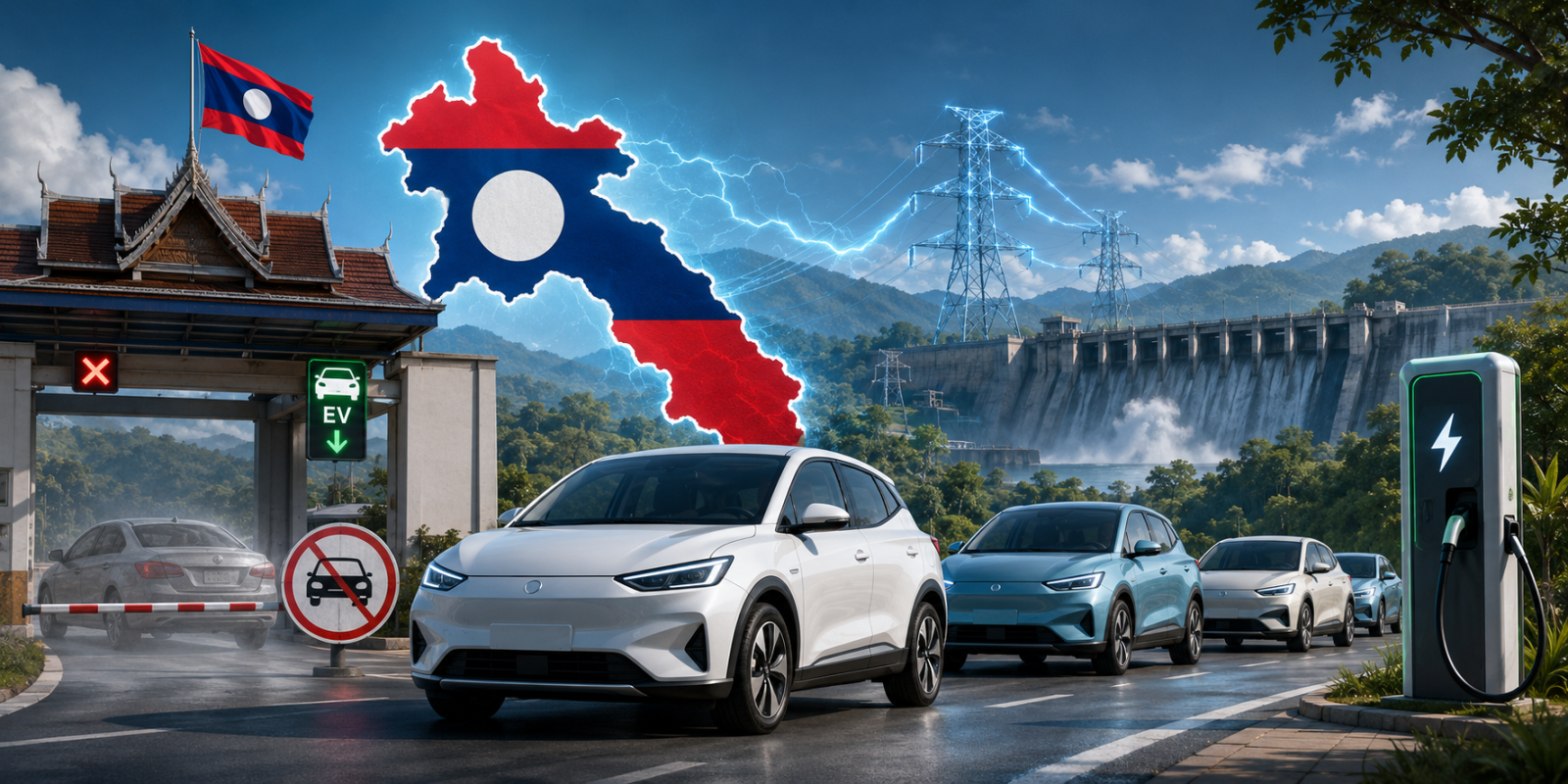
In a jaw-dropping move that has sent shockwaves through the global automotive empire, a sovereign nation has done what no superpower dared to attempt: they have officially killed the internal combustion engine overnight. Without warning, negotiations, or compromise, gas and diesel passenger cars have been violently tossed into the scrapheap of history. As of June 1, every single new vehicle attempting to cross the border must run purely on electricity, marking the most aggressive, terrifying, and radical EV mandate the modern world has ever witnessed.
Car executives across the globe are panicking. Dealerships are in total disarray. Automakers who spent decades perfecting gas engines are suddenly watching an entire market slam its doors shut in their faces. But the most insane part of this whole story? This totalitarian shift toward electric vehicles has virtually nothing to do with what the people actually wanted.
The Shocking Global First: No More Combustion Engines!
While Western nations endlessly debate climate policy, set distant goals for 2035 or 2050, and slowly incentivize electric adoption, Laos pulled the absolute nuclear option. The landlocked Southeast Asian nation didn’t ask politely; they imposed a ruthless ban that strips consumers of their right to purchase traditional gas or diesel passenger vehicles. Overnight, the sound of revving engines was declared an enemy of the state’s import ledger.
Reports from energy insiders confirm that as of the strict June deadline, border customs agents have been given explicit orders to turn away any new passenger car powered by fossil fuels. According to analysis on Electrek, this unprecedented decree catapults Laos far ahead of every wealthy Western government in terms of raw policy enforcement, leaving global automotive analysts completely bewildered.
Why Consumer Demand Has Zero to Do With This Dictate
You might think this drastic step was driven by a massive groundswell of eco-conscious citizens demanding Tesla-style luxuries, but nothing could be further from the truth. This was not a triumph of consumer free will; it was an act of economic desperation and geopolitical strategy. Laos finds itself trapped under heavy foreign debt and staggering inflation, heavily weighed down by the crippling cost of importing foreign oil.
By forcing the entire nation onto electric propulsion, the government is desperately trying to sever its dependence on foreign oil imports that drain the country’s precious cash reserves. Laos happens to possess immense hydroelectric potential, earned through massive river dam projects. Thus, the government is essentially forcing citizens to tap into cheap, domestic electricity while slamming the door on expensive imported gasoline. The citizens didn’t vote for EVs—their government simply removed every other option from the table!
Is Your Country Next? The Terrifying Precedent
The global implications of this draconian law are deeply troubling for car enthusiasts and freedom advocates worldwide. Authoritarian mandates like this provide a blueprint for other cash-strapped or climate-obsessed nations looking to rapidly force their populations into electric cars against their will. If a developing nation can cut off oil-powered vehicles with the swipe of a pen, what stops major Western economies from enacting identical emergency bans when economic or environmental crises strike?
Industry experts warn that such brutal market intervention could create severe unintended consequences, including:
- A massive boom in black-market traditional vehicle smuggling across international borders.
- Unprecedented strain on local charging infrastructure, leading to inevitable rolling blackouts.
- An utter collapse of traditional mechanical repair shops unable to service high-tech battery packs.
- Skyrocketing prices for existing, legal used gas cars as citizens desperately cling to internal combustion.
The Hidden Chaos of an Instant EV Mandate
What happens when a country forces an electric revolution before the nation is truly ready? Total economic friction. While the government boasts about clean hydro-powered transit, rural drivers face terrifying questions about range anxiety, unreliable power grids, and the extreme costs of replacement batteries. Yet, there is no turning back. The mandate is law, the gas pumps are marked for extinction, and the rest of the world is watching this high-stakes experiment with bated breath. Will it save the economy, or will it cause complete transportation collapse?