Honda’s Electric Vehicle Strategy: The Prologue’s Uncertain Future
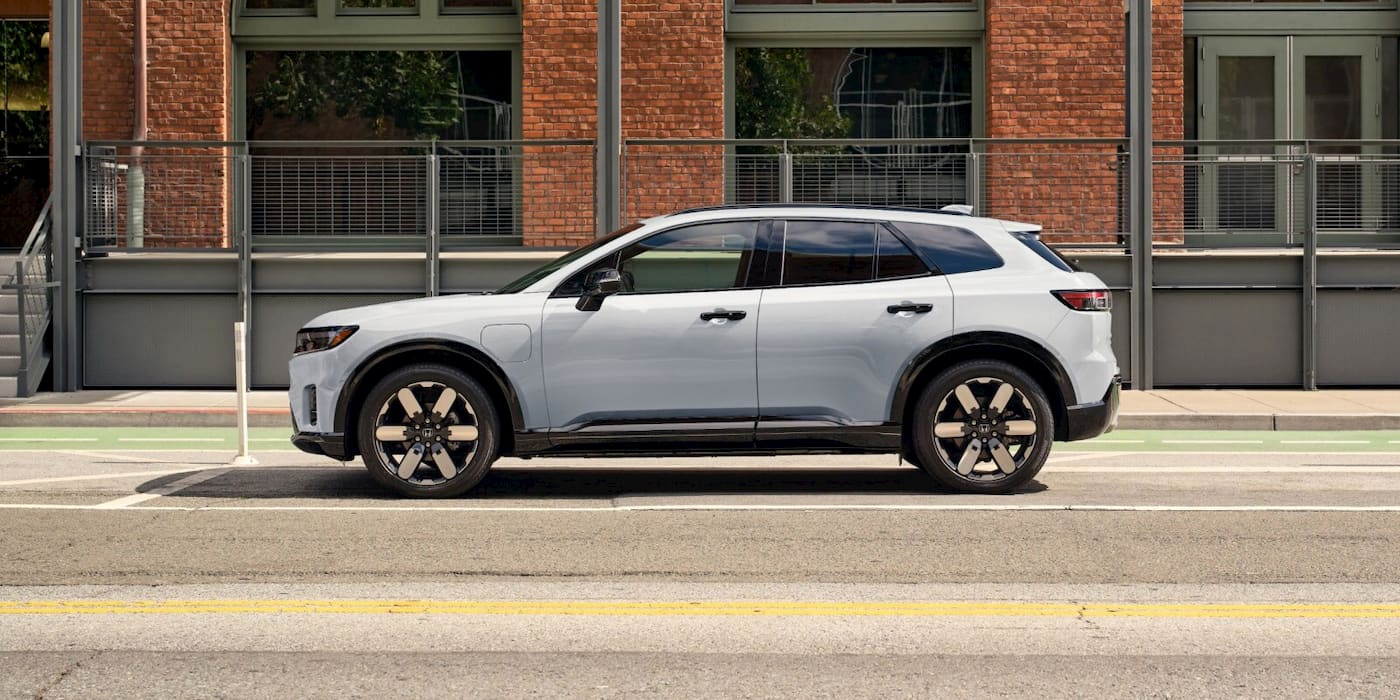
Honda’s commitment to the burgeoning market of Electric Vehicles has taken a complex turn, with the automotive giant recently announcing the cancellation of three new EV models slated for a US debut this year. This significant shift in strategy has inevitably cast a shadow of uncertainty over other key EV Tech developments within the company, most notably the Honda Prologue. While Honda has stated that the Prologue will remain part of its lineup for the time being, the broader implications of these recent cancellations suggest that its future, like that of many Electric Vehicles in a rapidly evolving landscape, is far from set in stone. This decision signals a period of strategic re-evaluation for Honda as it navigates the challenging yet crucial transition to electrification.
Navigating the EV Landscape: Honda’s Strategic Reassessment
The decision to scrap three upcoming EV models points to a deeper strategic reassessment within Honda. The global automotive industry is in the midst of a profound transformation, driven by consumer demand, regulatory pressures, and rapid advancements in EV Tech. For established automakers like Honda, this transition is fraught with challenges. Developing competitive Electric Vehicles requires substantial investment in new platforms, battery technology, software development, and manufacturing infrastructure. Furthermore, the market for Electric Vehicles is intensely competitive, with both legacy automakers and agile startups vying for market share. Honda’s move to cancel these models could indicate a desire to streamline its EV offerings, focus resources on more promising projects, or perhaps a response to evolving market dynamics or production challenges. The company may be re-evaluating its approach to battery sourcing, supply chain stability, or the overall profitability of its planned Electric Vehicles. This strategic pivot is not uncommon in the automotive sector, especially during periods of significant technological disruption. It suggests Honda is attempting to be more agile and responsive to the ever-changing demands and realities of the Electric Vehicles market.
The Honda Prologue: A Flagship Facing Shifting Tides
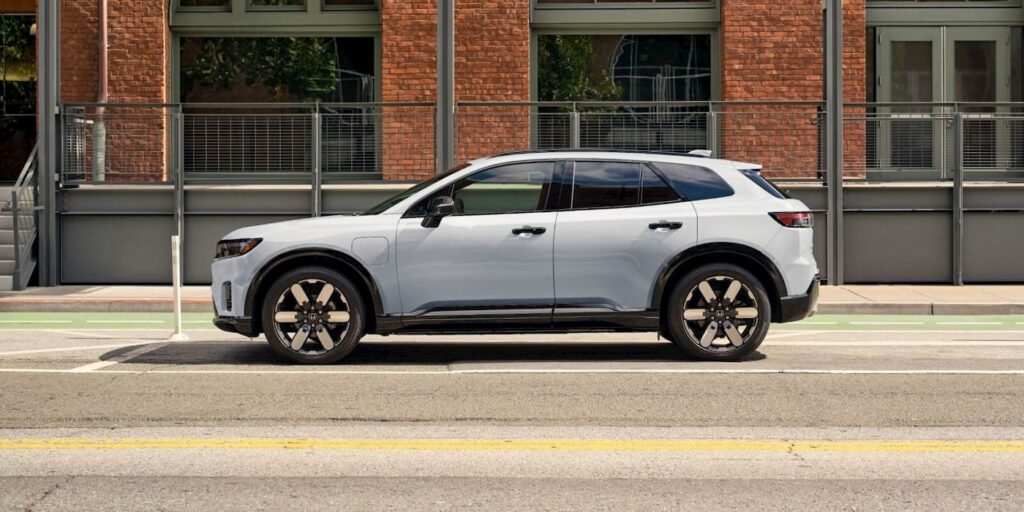
The Honda Prologue, positioned as a key offering in the company’s Electric Vehicles portfolio, now finds itself in a peculiar position. While Honda executives have affirmed its continuation for now, the recent cancellations undoubtedly raise questions about its long-term viability and the resources that will be allocated to it. The Prologue, developed in partnership with General Motors utilizing GM’s Ultium platform, represents a significant step for Honda in bringing a mainstream Electric Vehicle to market. However, the success of any EV Tech is not solely dependent on the vehicle itself, but also on the manufacturer’s sustained commitment and strategic backing. If Honda is reassessing its overall EV strategy, the Prologue could be subject to adjustments in its development timeline, feature set, or even its eventual positioning within the market. The success of Electric Vehicles like the Prologue is heavily reliant on a cohesive and long-term vision from the manufacturer. Without such a clear path, even promising models can struggle to gain traction. Consumers looking at Electric Vehicles are increasingly discerning, and a perceived lack of commitment from a brand can impact purchasing decisions. Honda’s continued emphasis on the Prologue, despite the other cancellations, might signal its importance as a cornerstone of their current EV efforts, but the “for now” qualifier leaves room for future changes.
The automotive industry’s journey into electrification is proving to be a marathon, not a sprint. Honda’s recent decisions highlight the complex decision-making processes involved in bringing Electric Vehicles to market. While the cancellation of three planned EVs signals a period of recalibration, the continued focus on the Prologue suggests that Honda is not abandoning its EV ambitions entirely. The company’s ability to adapt and strategically align its EV Tech investments with market realities will be crucial in determining its future success in the competitive landscape of Electric Vehicles.