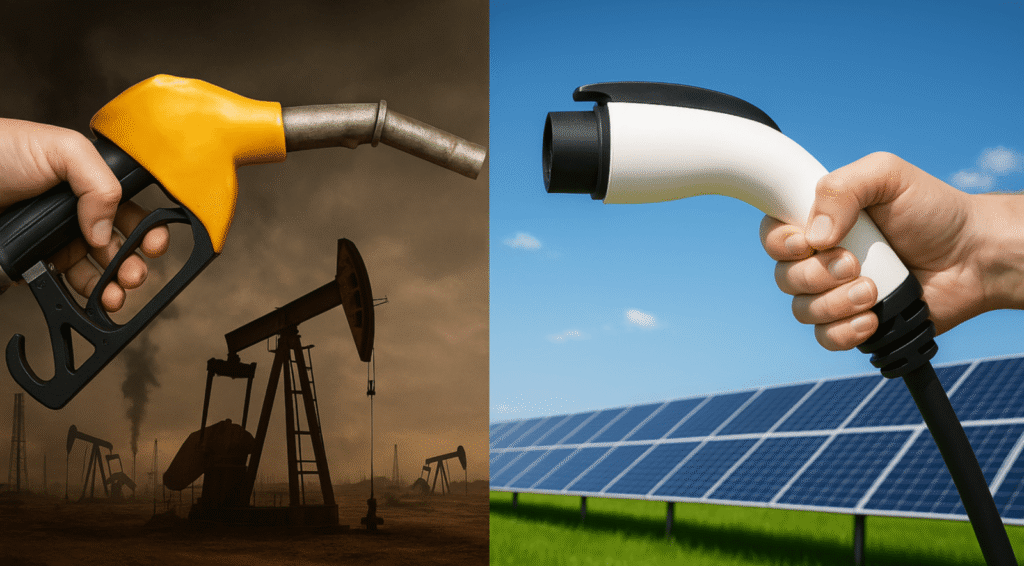
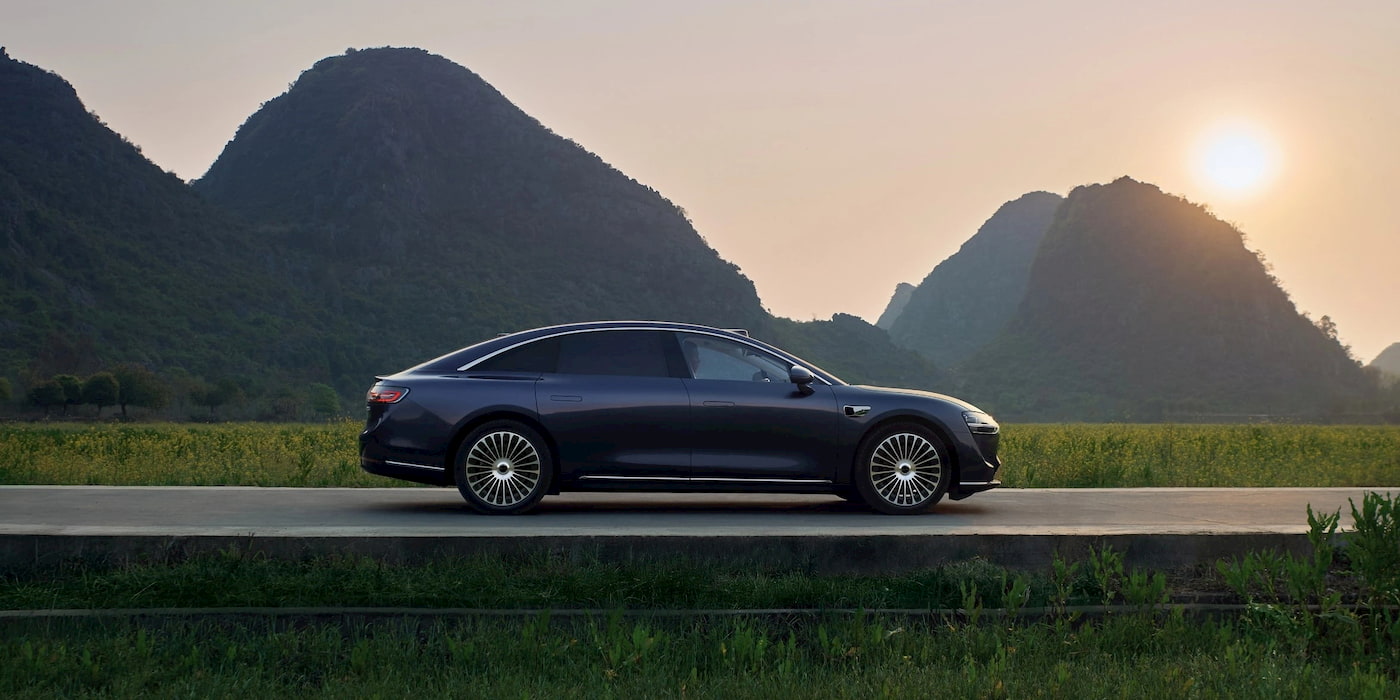
For decades, the electric vehicle revolution has been held hostage by a single element: lithium. While lithium-ion batteries transformed our smartphones and early EVs, they brought along a baggage of high costs, ethical mining concerns, and the dreaded ‘range anxiety.’ However, the tide is turning. A massive breakthrough in sodium-ion EV battery technology has just been announced, and it is set to change everything we know about transportation. This isn’t just a minor upgrade; it’s a seismic shift that could render current lithium-dependent models obsolete within the decade.
A New Era: Why Sodium-Ion Will Kill the Gas Engine
The latest reports indicate that sodium-ion batteries are no longer just a laboratory experiment; they are nearing mass production for passenger vehicles. This isn’t just about finding a cheaper alternative; it’s about finding a better one. Sodium is the sixth most abundant element on Earth, making it incredibly cheap to source compared to the ‘white gold’ that is lithium. By utilizing common salt, manufacturers can slash the price of battery packs, which currently account for nearly 40% of an EV’s total cost. If you’ve been waiting for EVs to reach price parity with internal combustion engines, your wait is almost over.
But the real kicker isn’t just the price—it’s the performance and safety. Scientists have finally cracked the code on energy density and charging speeds. These new batteries can maintain stability even under extreme stress, reducing the risk of fire to almost zero. For consumers who have been hesitant to switch to electric due to safety concerns or the high cost of replacement batteries, the sodium-ion revolution provides a much-needed sigh of relief and a clear path forward for the automotive industry.
The 11-Minute Revolution: Charging Redefined
One of the biggest hurdles for EV adoption has always been the time spent at the plug. While traditional lithium-ion batteries can take 30 to 45 minutes to reach an 80% charge at a fast-charger, the new sodium-ion batteries technology achieves a mind-blowing charge time of just 11 minutes. This puts EV refueling on par with a standard trip to a gas station. Imagine plugging in your vehicle, grabbing a quick coffee or snack, and returning to a car that is fully charged and ready for a 450 km journey. It effectively erases the biggest inconvenience of owning an electric car.
This 450 km range is the ‘sweet spot’ for modern drivers. It covers several days of commuting for the average worker and allows for long-distance travel with only brief stops. This breakthrough effectively kills range anxiety, making the electric car a viable option for those who don’t have hours to wait for a battery to top up or who live in apartments without home charging infrastructure.
The Global Race for Energy Independence
Beyond the technical specs, there is a massive geopolitical shift occurring. Lithium mining is concentrated in a few specific regions, leading to supply chain bottlenecks and extreme price volatility. Sodium, however, can be harvested anywhere there is an ocean or salt deposit. This democratizes the energy sector, allowing more nations to produce their own batteries without relying on expensive imports or unstable trade partners. It is a victory for energy independence and global economic stability.
- Massive reduction in manufacturing costs for entry-level EVs.
- Operates efficiently in extreme cold, unlike lithium batteries.
- Significantly lower fire risk due to stable chemical properties.
- 11-minute ultra-fast charging capability.
- Environmentally sustainable sourcing from common salt.
Furthermore, these batteries excel in conditions where lithium fails. Traditional EV batteries lose significant range in cold weather, but sodium-ion variants are remarkably resilient. They can retain up to 90% of their capacity even in sub-zero temperatures, making them the perfect choice for drivers in northern climates who have previously been left out of the EV movement. As mass production looms, the question is no longer IF sodium-ion will take over, but WHEN. Major automotive players are already retooling their factories to accommodate this ‘salty’ new tech. We are looking at a future where electric cars are cheaper than their gas-guzzling counterparts and charge faster than ever before.