The Great Tesla Pivot: From Sedans to Megapacks
The automotive world is currently witnessing a tectonic shift that many analysts didn’t see coming. While Tesla has long been the poster child for electric vehicle adoption, the company’s latest maneuvers suggest a profound pivot toward becoming a global energy titan. This week’s industry developments, highlighted by the latest episodes of the Electrek Podcast, suggest that the race for sustainable dominance is no longer just about what sits in your garage, but what powers your entire home and community. The shift from a manufacturer of luxury sedans to a provider of global energy infrastructure is perhaps the most significant move Elon Musk has made in a decade.
For years, critics have debated whether Tesla is a car company or a tech firm. Today, that question has a new answer: Tesla is an energy infrastructure giant. By shifting focus toward stationary storage and renewable energy distribution, Elon Musk is positioning the company to control the very grid that competitors rely on. The Tesla Energy division, once a secondary thought to the Model 3 and Model Y production ramps, is now seeing unprecedented growth. This shift isn’t just about diversification; it’s about survival in a saturated EV market where profit margins are being squeezed by global competition. As car sales reach a plateau in certain demographics, the infinite demand for energy storage provides a new, lucrative frontier.
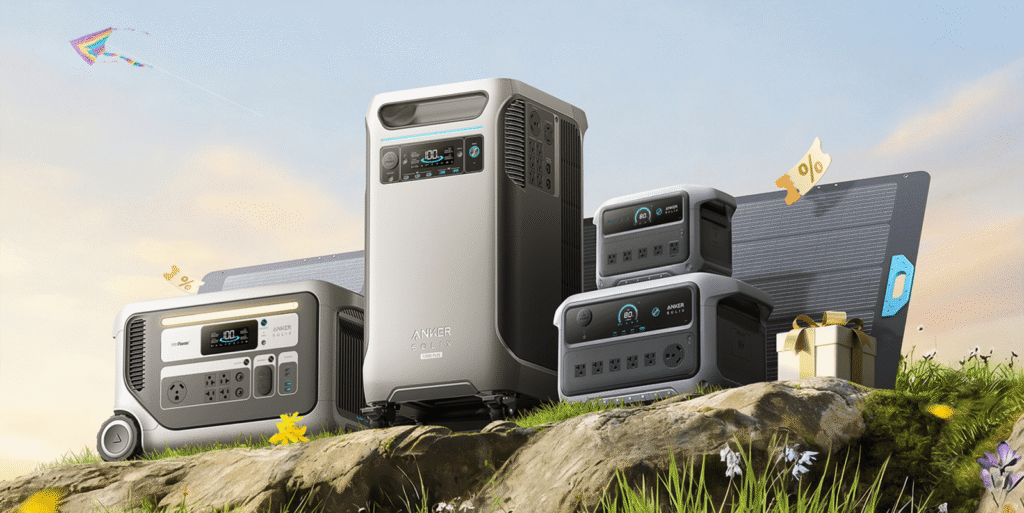
This strategic transition involves massive investments in Megapack installations and the expansion of the Powerwall ecosystem. As governments worldwide scramble to upgrade aging electrical grids to handle the load of millions of new electric vehicles, Tesla’s energy solutions offer a plug-and-play future. The implications are staggering. We are looking at a future where Tesla may generate more revenue from utility-scale storage than from selling individual vehicles. This sensational evolution marks the beginning of the end for traditional utility monopolies, empowering homeowners to become their own power plants.
The BMW i3: A Surprising Splash in the EV Market
While Tesla looks toward the grid, BMW is proving that older icons still have plenty of life left in them. The BMW i3, once considered a quirky experiment in carbon-fiber construction, is making a massive splash in the secondary and niche markets. Enthusiasts and new buyers alike are rediscovering the efficiency and unique design language of this pioneering electric vehicle. In an era of oversized electric SUVs, the i3’s compact footprint and agile handling are becoming a rallying cry for urban commuters who value sustainability over sheer horsepower. Its recycled interior materials and avant-garde aesthetic have aged remarkably well, attracting a new generation of eco-conscious drivers.
The renewed interest in the i3 highlights a broader trend in the industry: the ‘vintage’ EV market. As consumers become more educated about battery health and lifecycle management, early models are seeing a resurgence in value. BMW’s commitment to premium materials and futuristic aesthetics has allowed the i3 to age remarkably well, standing out against the sea of generic electric crossovers currently flooding the market. It is a testament to the idea that sustainability isn’t just about the newest model, but about the longevity and recyclability of the technology we already have.
Inside the Donut Lab: What’s Next for Sustainable Tech?
The tech world is also buzzing with the latest Donut Lab update. For those following the cutting edge of sustainable transport, Donut Lab represents the experimental fringe where the most exciting innovations happen. From testing new propulsion systems to reimagining the user interface of the modern cockpit, the updates coming out of this division suggest that the next five years will bring more change than the last fifty. The sensation around these updates is palpable, as early adopters wait for the next big breakthrough in battery density and charging speed. Industry insiders suggest that the prototypes currently hidden away could revolutionize how we perceive personal mobility.
Whether it is the integration of AI-driven navigation or the development of more efficient solid-state battery cooling systems, the work being done here is critical for the next generation of transport. The intersection of software and hardware is where the future of mobility will be won or lost. As we look at the broader landscape, from Tesla’s energy plays to BMW’s market persistence, it is clear that the electric revolution is only just beginning to accelerate. These developments are not just incremental; they are revolutionary, and they are happening faster than any legacy automaker expected.
In conclusion, the news from the Electrek Podcast serves as a stark reminder that the transition to sustainable energy is multifaceted. It involves the cars we drive, the way we store power, and the experimental labs where the future is being forged. The world is watching as these giants battle for a piece of the green energy pie. From Elon Musk’s bold energy vision to the unexpected longevity of German engineering, the roadmap to a carbon-neutral future has never been more exciting or more unpredictable. Stay tuned as we continue to track these explosive shifts in the global energy market.