The Shocking Truth Behind Tesla’s Desperate Return to Solar Energy
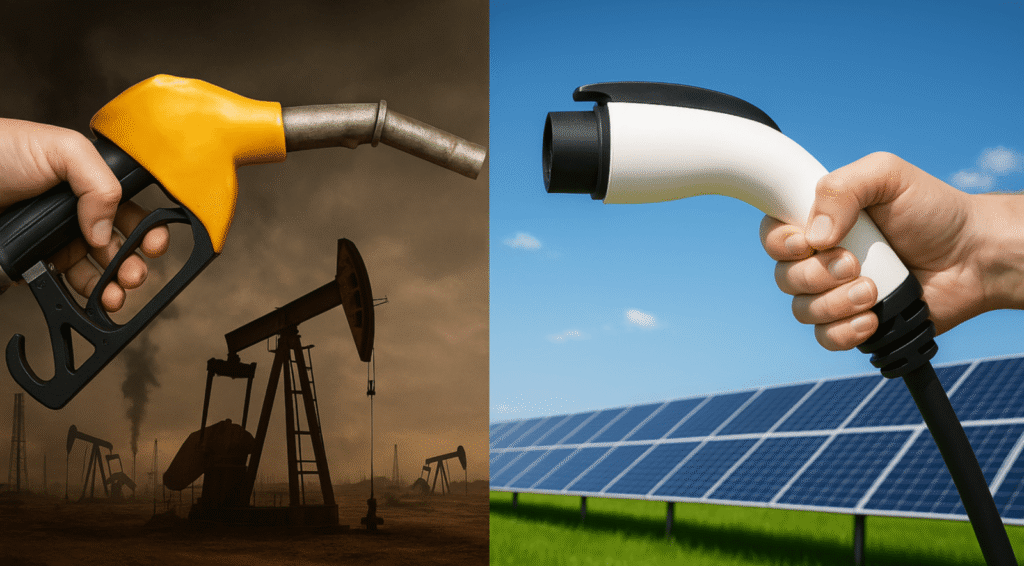
In a twist that has shocked the renewable energy world, Tesla is making a sudden, aggressive pivot back to its highly controversial solar division. After years of stagnation and consumer complaints, Elon Musk’s tech giant is desperately trying to reclaim its throne in the clean energy market. This sudden move comes at a critical time when the electric vehicle landscape is shifting faster than ever before. If you thought Tesla was only about sleek electric cars, you are in for a massive wake-up call. The latest revelations from industry insiders suggest that this move is a calculated gamble to save the company’s energy empire from total irrelevance.
But why now? Experts suggest that Tesla’s core automotive business is facing unprecedented pressure from global competitors, forcing the titan to look elsewhere for massive growth. By reviving its dormant solar initiatives, Tesla hopes to create a fully integrated ecosystem of clean energy generation and storage that keeps consumers locked into its proprietary grid. Is this a brilliant masterstroke or a final, desperate gasp from a company losing its grip on the green energy market? Only time will tell, but the implications for homeowners and investors are absolutely massive.
The Unbelievable New EV Rivals Stealing Tesla’s Spotlight
While Tesla focuses on the sun, its competitors are launching a relentless assault on the asphalt. The electric vehicle market is no longer a one-horse race, and the latest unveilings prove that the old guard is ready to fight dirty. First up is the highly anticipated Volvo EX60, a premium electric SUV designed to completely dismantle Tesla’s dominance in the family vehicle sector. Volvo’s reputation for unmatched safety combined with cutting-edge battery technology makes the EX60 a lethal threat to the Model Y. But the onslaught does not stop in Scandinavia.
From the East comes the terrifyingly fast Xiaomi YU7 GT, a vehicle that merges smartphone levels of software integration with supercar performance. Xiaomi, a brand known for disrupting the tech industry, is now aiming its sights directly at luxury EV makers. Not to be outdone, Mercedes-AMG has unleashed its AMG GT electric powerhouse, proving that high-end performance and zero emissions can coexist in a vehicle that looks like it belongs in a sci-fi blockbuster. These new models are not just alternatives; they are designed to make Tesla’s aging lineup look ancient by comparison.
How You Can Prepare for the Massive Green Energy Shift
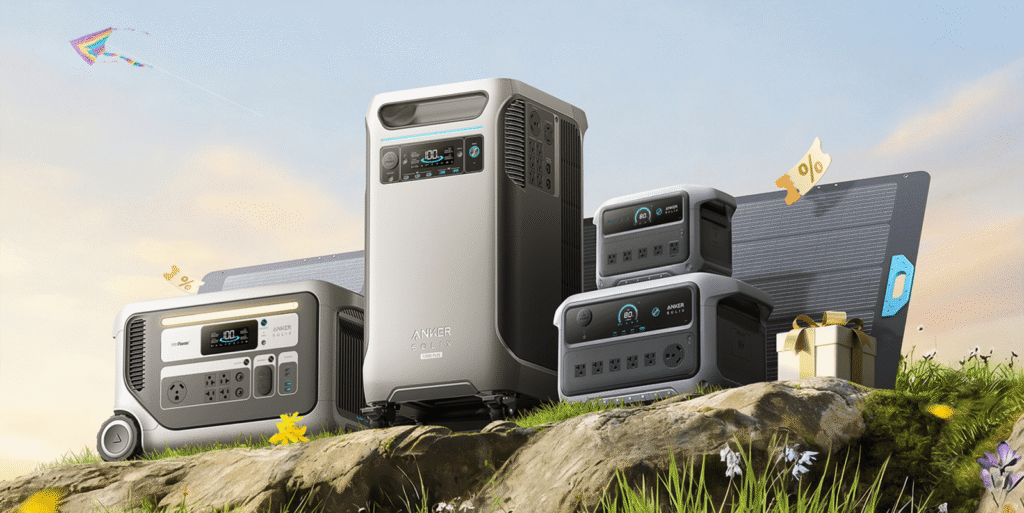
With the electric vehicle and home energy markets undergoing such a violent transformation, everyday consumers are left wondering how they can protect themselves from rising utility costs and grid instability. The answer lies in localized power and home resilience systems. Fortunately, companies like GM Energy are stepping up to offer robust alternatives to Tesla’s ecosystem, providing home power banks and stationary battery systems that keep your lights on when the grid fails. This competition is great news for consumers, driving down prices and forcing rapid innovation across the board.
If you want to stay ahead of these rapid changes, here are the key trends you must watch:
- The rapid expansion of home battery backup systems to combat aging national grids.
- The rise of ultra-fast charging Chinese EVs that offer luxury features at unbeatable price points.
- The integration of solar roofs with next-generation smart home automation networks.
- How legacy automakers are utilizing high-performance electric platforms to redefine luxury.
The green energy revolution is no longer a distant dream—it is a chaotic, fast-paced reality. Whether Tesla’s solar gamble pays off or the new wave of European and Asian EVs takes over the crown, consumers are the ultimate winners in this high-stakes war for the future of transportation and power.