The electric vehicle landscape is undergoing a seismic shift, and the ground beneath Elon Musk’s feet is starting to tremble. For years, Tesla has enjoyed an almost untouchable monopoly over American roads. But as we cross into the second half of 2026, the data reveals an explosive truth: the empire is under siege. While Tesla remains the undisputed king of the road, commanding an impressive 50% of the US EV market share, the remaining half of the market is becoming a bloodbath of ambitious legacy automakers and agile startups hungry for a piece of the pie.
The Shocking Truth Behind the 2026 US EV Market Share
It is easy to look at the 50% figure and assume Tesla’s dominance is permanent. However, industry insiders know that this number represents a massive decline from the 70% to 80% market share the brand commanded just a few years ago. Consumers are no longer limited to choosing between a Model 3 or a Model Y. Today, dealership lots are flooded with highly competitive, technologically advanced, and aggressively priced alternatives. This sudden influx of options has triggered a fierce price war, driving down profit margins and forcing Tesla to continuously slash prices to maintain its crown.
The American driver is evolving. While early adopters were willing to overlook quality control issues and minimalist interiors just to drive electric, the mainstream buyer demands luxury, reliability, and familiar dealership networks. Legacy automotive giants have spent billions retooling their factories, and those massive investments are finally yielding results.
The Hungry Challengers Eating Into Tesla’s Pie
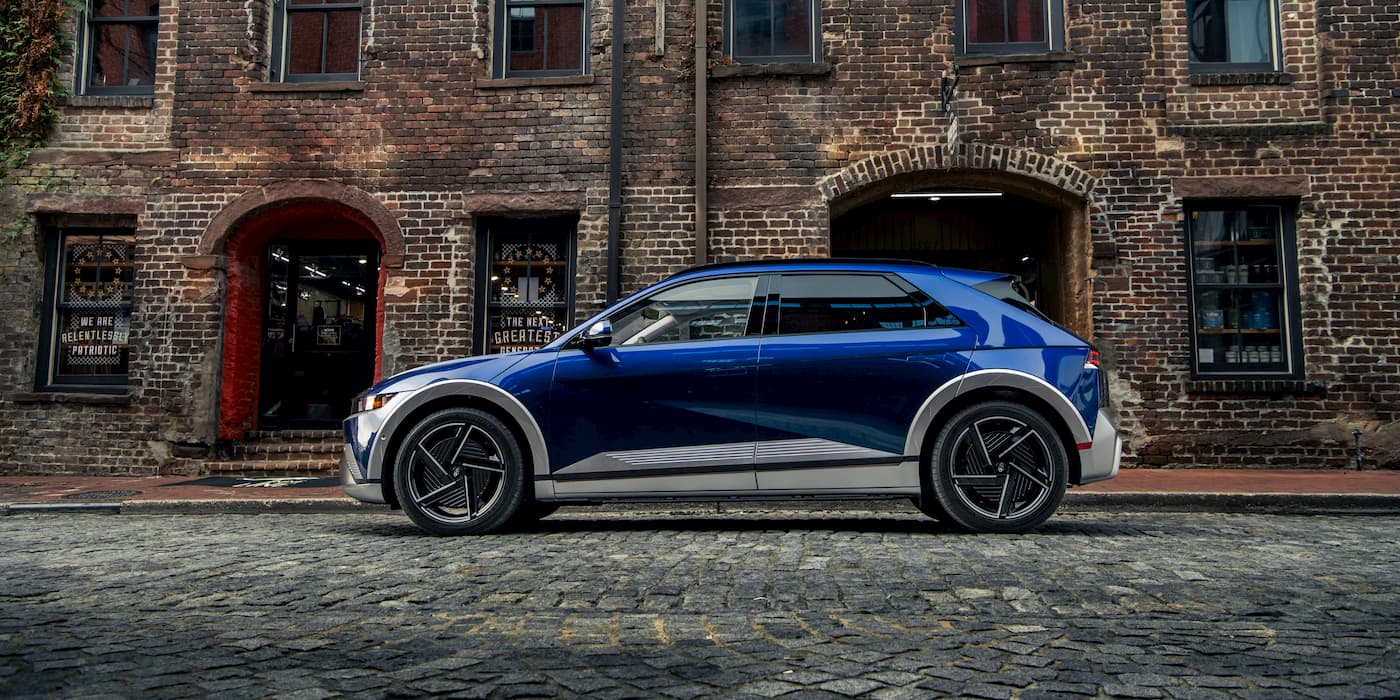
So, who exactly is stealing Tesla’s lunch? A handful of brands have finally cracked the code, launching highly anticipated electric SUVs, trucks, and sedans that appeal directly to the heart of American car buyers. Hyundai and Kia continue to dominate the mid-tier market with their ultra-fast charging E-GMP platform, while Ford and General Motors are scaling up production of electric trucks that appeal to traditional utility buyers.
Here are the key players currently shaking up the industry:
- Hyundai & Kia: The South Korean powerhouse duo is dominating the style and efficiency categories, delivering features that rival luxury brands at fraction of the cost.
- General Motors: Armed with its revolutionary Ultium platform, GM is flooding the market with affordable options like the Equinox EV and high-end beasts like the Cadillac Lyriq.
- Ford: The F-150 Lightning and Mustang Mach-E remain household names, appealing to loyal blue-collar buyers transitioning to electric.
- Rivian: Slowly but surely conquering the premium adventure segment with rugged R1S and R2 models designed for the modern explorer.
Is Elon Musk’s Dynasty Finally Crumbling?
As rival brands scale up their manufacturing and leverage tax incentives to offer unbeatable leasing deals, the question on everyone’s mind is whether Tesla can survive this multi-front onslaught. To understand the gravity of the situation, we must look at how rapidly these competitors are scaling. According to the latest sales figures analyzed by Electrek, non-Tesla EV sales are growing at double-digit rates, whereas Tesla’s growth has plateaud in several critical states.
The next twelve months will decide the ultimate fate of the US EV market share. If Tesla fails to innovate beyond its aging lineup, we may witness one of the most dramatic market share collapses in automotive history. For now, the consumer is the ultimate winner, enjoying lower prices, better technology, and more variety than ever before. The throne is shaking—who will seize it?